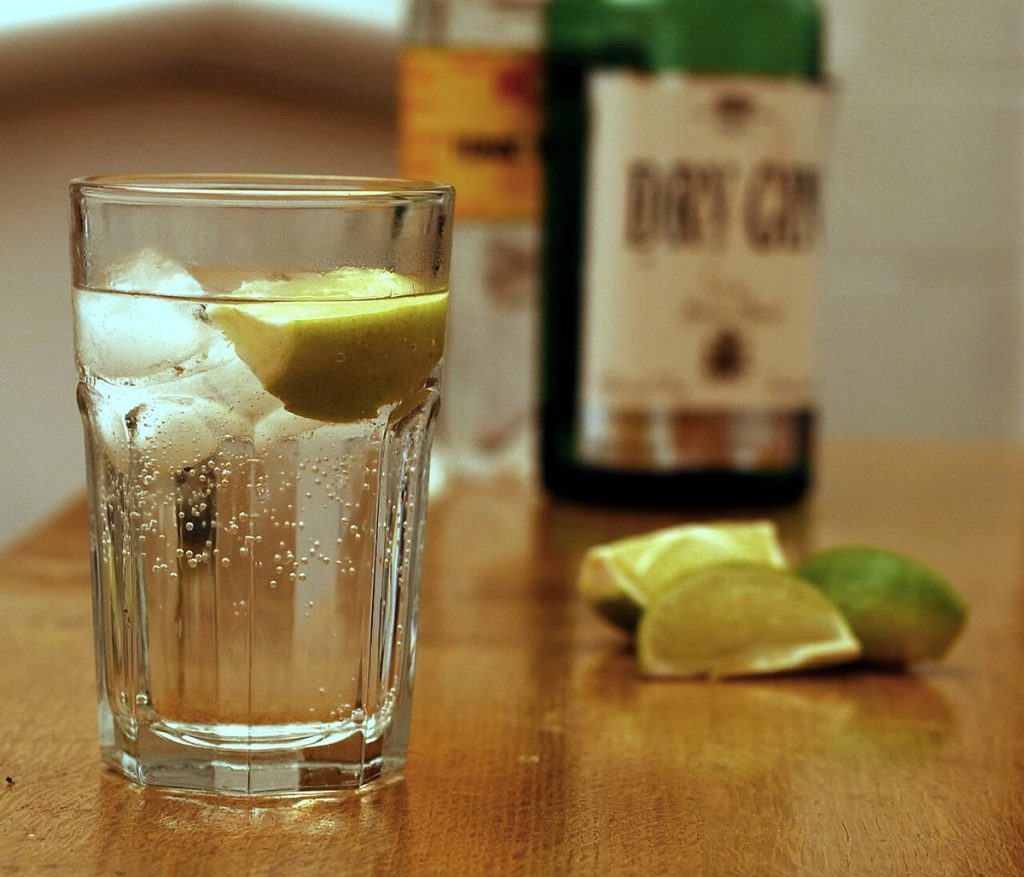
Does gin have carbs? In its plain form, no. Straight gin, like vodka, whisky, rum and tequila, is a distilled spirit, and the distilling process leaves essentially zero carbohydrates and zero sugar in the bottle. The carbs come later, from tonic water, juice, syrups and liqueurs that go into the drink. So a gin and diet tonic is very low in carbs, while a sweet gin cocktail can be surprisingly high.
Key takeaways
- Plain gin contains virtually no carbohydrates, because distillation strips out sugars and starches.
- Mixers cause the carb count: regular tonic water, juice, cordials and sweet liqueurs add the sugar.
- Flavoured, fruit and sloe gins often have added sugar, so check the label.
- Gin still has calories from alcohol, and alcohol can affect blood sugar, so it is wise to speak to a health professional if you have diabetes.
Does gin have carbs? The short answer
Gin starts as a neutral grain spirit that is then redistilled with botanicals, most importantly juniper berries, along with ingredients such as coriander seed, citrus peel and angelica root. The base alcohol is made from fermented grain, but distillation separates the alcohol from the sugars, starches and most other solids. What is left is a clear spirit that is mostly ethanol and water, with the flavour compounds from the botanicals.
That is why nutrition databases typically list unsweetened gin at around zero grams of carbohydrate per serving. A standard measure of 40 percent ABV gin still has calories, though, roughly 95 to 100 for a 1.5-ounce (44 ml) serving, because alcohol itself provides about seven calories per gram. Those calories come from alcohol, not carbs.
Where the carbs in a gin drink come from
The bottle is not the problem. The carbs arrive in the glass.
Tonic water
Regular tonic water is a soft drink with added sugar. A standard serving can carry a similar amount of sugar to other fizzy drinks, which means a single gin and tonic made with regular tonic may contain a noticeable number of carbs. Light or diet tonic water uses sweeteners instead of sugar, which brings the carbs down very low.
Juice, syrups and liqueurs
Cocktails such as a Gimlet, Tom Collins, Bramble or Singapore Sling can include sugar syrup, fruit juice, cordial or liqueur. Each ingredient adds carbohydrates. The more sweet components in the recipe, the higher the total.
Flavoured and sloe gins
Plain London Dry gin is dry by definition. However, flavoured gins, gin liqueurs and sloe gin often have sugar added after distillation. Gin liqueur is, legally in many places, a sweetened product. Always check the label rather than assuming a gin is carb-free because it has the word gin on the front.
Typical carb levels at a glance
The numbers below are rough illustrations, not exact values. Brands and recipes vary, so use the label or the maker’s website as your final guide.
| Drink | Main carb source | Likely carb level |
|---|---|---|
| — | — | — |
| Plain gin, neat or on ice | None | Essentially zero |
| Gin with soda water and lime | Small amount from lime | Very low |
| Gin with diet or slimline tonic | Trace from sweeteners | Very low |
| Gin with regular tonic | Sugar in tonic | Moderate |
| Gin with fruit juice | Juice sugars | Moderate to high |
| Sweet gin cocktail with syrup | Syrup and liqueurs | High |
| Sloe gin or gin liqueur | Added sugar | High |
How to enjoy gin on a low-carb plan
If you are watching carbs, for a ketogenic diet or simply to cut sugar, you can still enjoy a gin drink with a few smart choices.
- Pick a plain, dry gin rather than a sweetened or flavoured one.
- Mix with soda water, sparkling water or a diet tonic instead of regular tonic.
- Add flavour with a squeeze of fresh lime or lemon, a slice of cucumber, a sprig of rosemary or a few juniper berries rather than syrup.
- Measure your serving, because free-pouring at home often doubles the measure.
- Skip pre-mixed canned gin cocktails unless the label confirms a low-sugar recipe.
Remember that ethanol is processed by the liver first, and on a strict keto diet the body may pause fat burning while it deals with the alcohol. That does not mean you cannot drink, but it is something to bear in mind.
Alcohol, blood sugar and health
Plain gin does not contain sugar, but alcohol can still change how your body handles glucose. In people who take insulin or certain diabetes medications, alcohol can cause blood sugar to drop, sometimes hours after drinking, particularly on an empty stomach. If you have diabetes, are pregnant, or take medication, speak to your doctor or pharmacist about what is safe for you. In the UK, the NHS alcohol advice page explains low-risk drinking guidelines and the effects of alcohol on health.
Calories add up too. Even without carbs, gin contains calories, and the mixers can add more. If weight management is your goal, a measured single serve with a zero-sugar mixer is the better option.
Gin compared with other spirits
Most unflavoured spirits are similarly carb-free. Vodka, whisky, rum, brandy and tequila are all near zero in carbohydrate before mixing. The difference between them lies in flavour, calories per measure at different strengths, and whether any sugar is added after distillation, as in spiced rums or flavoured vodkas. Beer, cider and sweet wines, on the other hand, retain carbohydrates because they are fermented rather than distilled.
If you enjoy cooking with spirits too, you may like our explainers on what is in triple sec and the best substitute for orgeat syrup, both useful when you are working out how much sugar sits in a cocktail. Our look at carbs in caramelized onions offers a similar way of thinking about hidden sugars in cooked food.
Frequently asked questions
Does gin have carbs or sugar?
Plain gin contains essentially no carbs and no sugar. Sweetened, flavoured and liqueur-style gins can contain added sugar, so check the label.
Is gin keto friendly?
Straight gin fits most low-carb and keto plans when mixed with soda or zero-sugar tonic. Avoid regular tonic and sweet mixers.
How many carbs are in a gin and tonic?
With regular tonic water, a gin and tonic contains the sugar from the tonic, which can be a meaningful amount of carbs. With diet tonic it is close to zero.
Does gin raise blood sugar?
Gin itself does not contain sugar, but alcohol can disturb blood sugar control, particularly for people with diabetes. Talk to your healthcare professional for personal advice.
Is gin lower in calories than wine or beer?
A single measure of gin has fewer calories than a large glass of wine or a pint of beer. The mixer and the number of drinks make the real difference.
Conclusion
So, does gin have carbs? Not on its own. The carbohydrates in a gin drink come almost entirely from the tonic, juice and syrups you add. Choose a dry gin, pair it with soda or slimline tonic, measure your serving and enjoy it sensibly.
Key takeaways about does gin have carbs
Here is a short summary of does gin have carbs so you can find the main points quickly.
- Gin starts as a neutral grain spirit that is then redistilled with botanicals, most importantly juniper berries, along with ingredients such as coriander seed, citrus peel and angelica root.
- That is why nutrition databases typically list unsweetened gin at around zero grams of carbohydrate per serving.
- Regular tonic water is a soft drink with added sugar.
- Cocktails such as a Gimlet, Tom Collins, Bramble or Singapore Sling can include sugar syrup, fruit juice, cordial or liqueur.
Good decisions about does gin have carbs come from checking the facts, comparing your options and taking your time.
Save this guide to does gin have carbs so you can find it again whenever you need a quick reminder.
If you only remember one thing about does gin have carbs, make it the practical steps covered in this guide.
Check official sources before acting on anything related to does gin have carbs, because details can change over time.
Related reading:
- Caramelized Onions Carbs: How Many and How to Cut Them
- Guacamole Fiber Content: How Much Fibre Is in Guac?
For general background, you can look up does gin have carbs on Wikipedia.