The internal temp of halibut that food safety guidance recommends is 145°F (63°C), measured at the thickest part of the fillet. Many chefs prefer to pull halibut off the heat a little earlier, around 130 to 135°F (54 to 57°C), and let carryover heat finish the job, because this lean fish dries out quickly. This guide explains both approaches, how to take an accurate reading, and how to tell when the fish is ready if you have no thermometer.
Key takeaways
- Official guidance for fish is 145°F (63°C), at which the flesh is opaque and flakes easily.
- Cooks often remove halibut at about 130 to 135°F, as the temperature rises a few degrees while it rests.
- Use an instant-read thermometer in the thickest part, avoiding the pan and any bone.
- Halibut is lean, so overcooking by even a minute or two can make it dry.
Why temperature matters for halibut
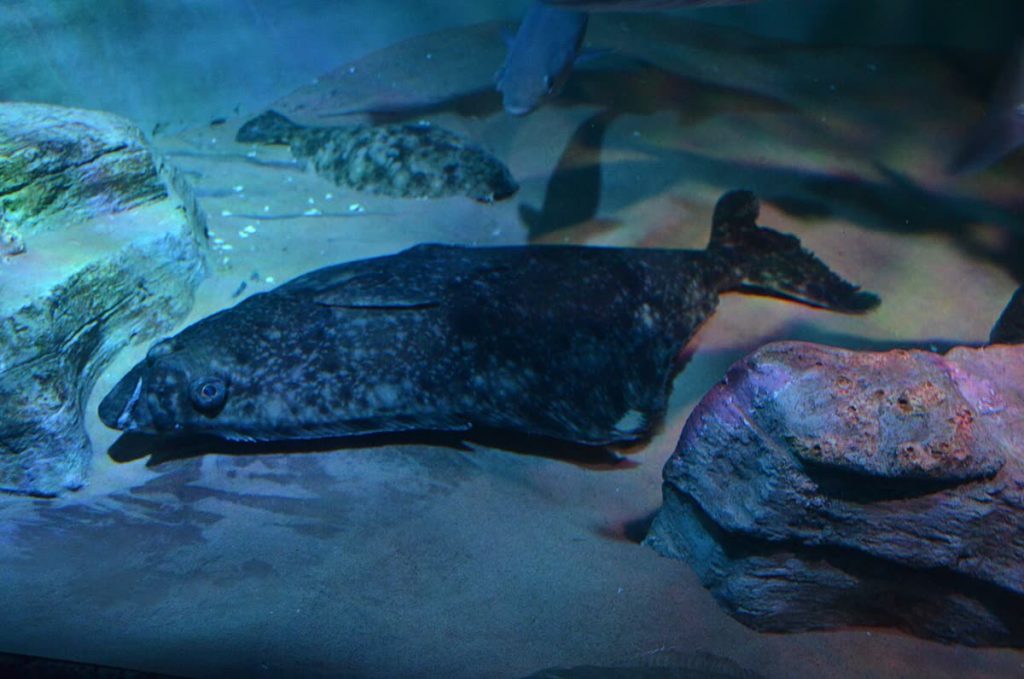
Halibut is a firm, mild, white flatfish with very little fat. Fat is what protects fish from drying out, so halibut has a narrow window between just cooked and overcooked. Guessing by time alone is unreliable, because fillet thickness, starting temperature, pan type and oven accuracy all change the result. A thermometer takes the guesswork out.
Food safety agencies such as the US Food and Drug Administration advise cooking fish to 145°F (63°C). At that temperature, you reduce the risk of foodborne illness. Pregnant people, older adults, young children and anyone with a weakened immune system should follow official guidance closely. If you are unsure, check with a healthcare professional.
Internal temp of halibut by doneness
Preferences vary, and so do food safety considerations. Here is a rough guide to what each stage looks like.
| Pull temperature | Final temperature after rest | Texture | Notes |
|---|---|---|---|
| 120 to 125°F (49 to 52°C) | About 125 to 130°F | Very moist, slightly translucent in the centre | Restaurant-style; below official guidance |
| 130 to 135°F (54 to 57°C) | About 135 to 140°F | Moist, just opaque, flakes with gentle pressure | Popular with chefs; still below 145°F |
| 140 to 145°F (60 to 63°C) | About 145 to 150°F | Fully opaque, firmer, flakes easily | Meets official guidance |
| Over 150°F (66°C) | Higher | Dry, tough, chalky | Overcooked |
If you serve others, especially vulnerable guests, aim for 145°F to keep to the official guidance. For yourself, the middle rows suit those who accept some risk for better texture.
How to take an accurate reading
- Use a clean instant-read digital thermometer.
- Insert the probe sideways into the thickest part of the fillet, aiming for the centre.
- Avoid touching the pan, grill grate or bone, which give misleading readings.
- Wait a few seconds until the number stops moving.
- Check more than one spot if the fillet is uneven.
- Remove the fish when it hits your target pull temperature, then rest for 3 to 5 minutes.
Carryover cooking is real. A thick fillet can climb another 5°F or so while resting, especially if it stays in a hot pan. Move it to a warm plate to slow that down.
Cooking times as a rough guide
Use these as starting points and let the thermometer decide.
- Pan-seared, 1 inch thick: roughly 3 to 4 minutes per side on medium-high heat.
- Oven-baked at 400°F (200°C): roughly 10 to 15 minutes for a 1 inch fillet.
- Grilled: about 4 to 6 minutes per side over medium-high heat; oil the grate well.
- Poached: about 8 to 10 minutes in gently simmering liquid.
- Air fryer at 400°F: about 8 to 10 minutes, depending on thickness.
Checking doneness without a thermometer
If you do not have a probe, there are visual cues. Press the top gently with a fork. When halibut is done, the flesh turns from translucent to opaque white and begins to separate into flakes. If it resists or looks glassy, give it another minute. If the surface is chalky and the juices are running white, it is overdone. Using a thermometer is still the safest approach.
Tips for moist, flavourful halibut
- Pat the fillets dry before cooking so they sear rather than steam.
- Season with salt 15 minutes ahead, or brine for 10 minutes in a light salt solution.
- Let the fish sit out for 10 to 15 minutes so it cooks evenly, but not longer.
- Finish with butter, lemon and herbs for extra richness.
- Serve right away; halibut cools quickly and loses moisture.
For other seafood ideas, see our guide to cooking oysters in the oven and our look at whether canned tuna is healthy. To add crunch, try the nuts in our article about the best way to toast pine nuts as a topping.
Resting, serving and storing
Resting matters as much as the cooking itself. Move the halibut to a warm plate, loosely cover it with foil for three to five minutes, and the juices will redistribute through the flesh. Serve it with something that adds moisture, such as a lemon butter sauce, a salsa, creamy mashed potato or a bed of sautéed greens.
If you have leftovers, cool them quickly and refrigerate within two hours in a sealed container. Eat them within a day or two, and reheat gently, covered, at a low oven temperature until hot throughout. Because halibut is lean, leftover fish is best flaked into a chowder, pasta or fish cakes rather than reheated as a plain fillet. Do not refreeze fish that has already been thawed and cooked more than once.
Frequently asked questions
What is the safe internal temp of halibut?
The recommended safe temperature for fish is 145°F (63°C), measured in the thickest part. At this point the flesh is opaque and flakes easily.
Can I eat halibut at 130°F?
Many chefs serve it at around 130 to 135°F for better texture, but this is below official guidance. Children, pregnant people, older adults and those with weak immunity should stick to 145°F.
How do I know halibut is done without a thermometer?
Look for opaque flesh that flakes under gentle fork pressure. If it still looks glassy in the centre, cook it a little longer.
Why is my halibut dry?
It is lean and cooks quickly. Overcooking, high heat and skipping the rest are the usual causes. Pull it earlier and let carryover finish.
Does frozen halibut cook the same way?
Thaw it fully in the fridge first and pat dry. Cooking from frozen needs longer and gives uneven results, so check the temperature carefully.
Conclusion
Knowing the internal temp of halibut gives you control: 145°F (63°C) for official safety, or a slightly lower pull temperature if you accept the trade-off and want juicier fish. Use a good thermometer, rest the fillet, and serve it promptly.
Key takeaways about internal temp of halibut
Here is a short summary of internal temp of halibut so you can find the main points quickly.
- The internal temp of halibut that food safety guidance recommends is 145°F (63°C), measured at the thickest part of the fillet.
- Halibut is a firm, mild, white flatfish with very little fat.
- Food safety agencies such as the US Food and Drug Administration advise cooking fish to 145°F (63°C).
- Preferences vary, and so do food safety considerations.
Good decisions about internal temp of halibut come from checking the facts, comparing your options and taking your time.
Save this guide to internal temp of halibut so you can find it again whenever you need a quick reminder.
Related reading:
- Indian Lentil Curry Recipe: Easy Dal for Weeknights
- Toaster Energy Transformation: Electrical to Heat and Light
For general background, you can look up internal temp of halibut on Wikipedia.