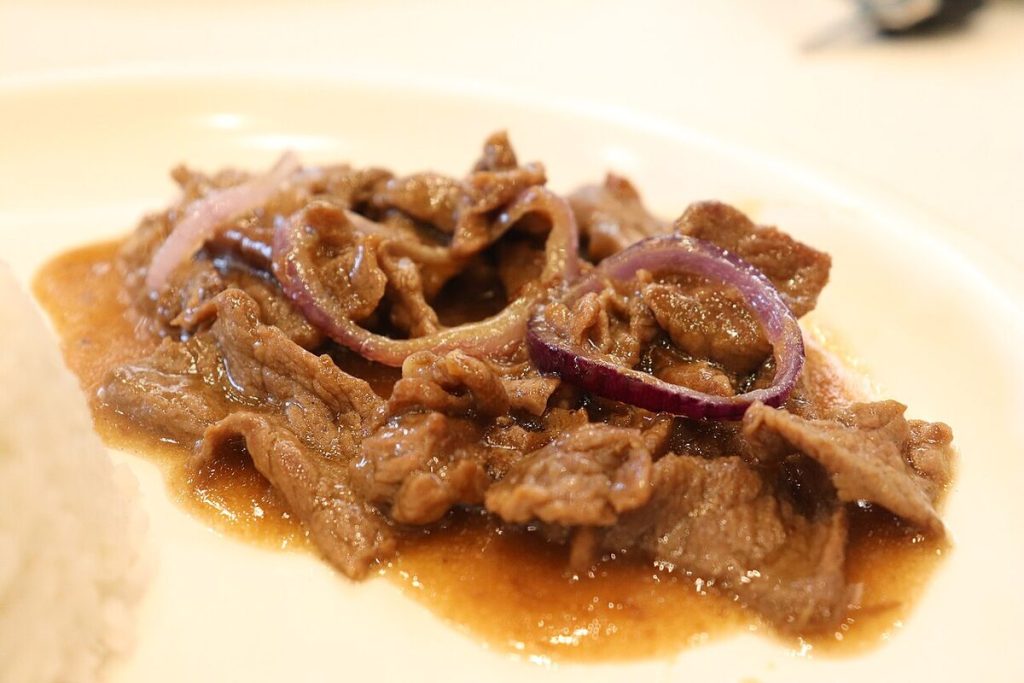
Can diabetics eat red meat? In most cases, yes, in sensible amounts. Fresh beef, lamb and pork contain almost no carbohydrate, so they do not push blood glucose up the way bread, rice or sugary drinks can. The real concerns are saturated fat, salt in processed meats and portion size, and your own diabetes team can tailor the advice to your medication and health. This article is general education, not personal medical advice.
Key takeaways
- Plain, unprocessed red meat has little to no carbohydrate and a small direct effect on blood sugar.
- Heart health is the main reason to limit fatty cuts, because diabetes raises cardiovascular risk.
- Processed meats such as bacon, salami and sausages are the ones to cut back on most.
- What you eat with the meat, such as chips, sweet sauces and large portions of rice, often matters more than the meat itself.
How red meat affects blood sugar
Blood glucose is driven mainly by carbohydrate. A grilled sirloin steak on its own has essentially none, so it does not cause a quick spike. Protein can have a small, slow effect on glucose in some people, particularly after large servings, and a very fatty meal can delay stomach emptying so that readings climb later than expected. People who take mealtime insulin sometimes notice this on evenings with a big steak or a rich burger and talk to their clinic about adjusting timing.
It is also worth separating short-term glucose from long-term health. Even if a meal has no immediate effect on your meter, an eating pattern heavy in fatty and processed meat is linked in research with higher risks of heart disease, which is already a bigger concern for people with diabetes. For that reason, charities and health services focus on the type of meat as much as on whether it is eaten at all. You can read their official guidance at Diabetes UK and on the NHS website.
Fresh versus processed: the bigger divide
| Type | Examples | Main concern | Suggestion |
|---|---|---|---|
| Fresh lean red meat | Sirloin, rump, lean mince, pork loin, lamb leg | Portion size | Fine in moderation |
| Fresh fatty red meat | Ribeye, belly, lamb shoulder, 20 per cent fat mince | Saturated fat | Smaller or less frequent portions |
| Processed meat | Bacon, ham, salami, sausages, hot dogs | Salt, preservatives, saturated fat | Keep occasional |
| Glazed or sauced meat | BBQ ribs, sweet marinades | Hidden sugar | Check labels, count the carbs |
Choosing and cooking beef more carefully
Pick leaner cuts
Sirloin, rump, flank and fillet generally carry less fat than ribeye or heavily marbled steaks. For mince, buy a lower fat percentage, or mix lean beef with grated vegetables or lentils to stretch it. Pork loin and trimmed lamb leg are comparable lean choices.
Cook gently with little added fat
- Trim visible fat before cooking, and drain mince after browning.
- Grill, roast on a rack, griddle or stir-fry rather than deep-frying.
- Use herbs, garlic, mustard or spices for flavour instead of sugary marinades.
- Slow-cooked stews can be skimmed once chilled, since fat rises and sets on top.
- Use food-safe temperatures: cook mince and sausages through, and keep whole steaks to your preference with clean utensils.
Watch the sides
Steak, chips and a sweet sauce is a very different meal for glucose than steak, salad and a small baked potato. Add non-starchy vegetables such as broccoli, green beans, peppers or leafy salad, and keep starchy sides to a measured portion.
Portion size and the balanced plate
A widely used guide is to fill about half your plate with non-starchy vegetables, a quarter with protein and a quarter with higher-fibre starchy food. For cooked red meat, a portion of roughly 70 to 90 grams (around the size of a deck of cards) is a common visual cue, though your dietitian may suggest something different for your size and activity. UK advice for the general population is to keep red and processed meat to around 70 grams a day on average, or less, and to eat it in a mix with fish, poultry, eggs, beans and pulses.
Swapping some meals for alternatives helps. Beans, lentils, fish, eggs and poultry bring protein with less saturated fat. If you enjoy foods such as pepperoni, our guide on whether pepperoni is pork explains what goes into one common processed meat.
Red meat and other diabetes-related risks
Diabetes affects more than blood sugar. Kidney health, blood pressure and cholesterol all come into the picture, and some people have been advised to adjust protein intake for kidney reasons. If you have kidney disease, gout, high cholesterol or are pregnant with gestational diabetes, ask your clinician before changing how much red meat you eat. Eye checks are also part of routine diabetes care, and you can learn what to expect from drops at those appointments in our piece on how long eye dilation lasts.
Practical steps for your next shop
- Check the fat percentage on mince and the “of which saturates” line on nutrition labels.
- Choose fresh meat from the counter over ready-glazed or pre-breaded packs.
- Limit cured and smoked meats to occasional treats.
- Keep a food diary for a couple of weeks and compare it with your glucose readings if you test regularly. Patterns often show up quickly.
- Book a review with a dietitian if you want a plan that fits your medication and culture.
Eating out and cooking for the family
Restaurant steaks tend to be larger than a sensible home portion, and they arrive with chips, onion rings or a sweet sauce. Sharing a steak, asking for a side salad instead of fries, or taking half home are easy adjustments. At a barbecue, grilled lean cuts and kebabs with plenty of vegetables are kinder choices than sausages in white rolls with sugary relish. At home, batch-cook a chilli or casserole with lean mince, beans and lots of vegetables, and portion it into containers so you are not tempted to go back for seconds.
Frequently asked questions
Does beef raise blood sugar?
Plain beef has almost no carbohydrate, so it does not raise blood sugar directly. Large, fatty meals can alter the timing of glucose changes, and the carbs served alongside are usually the bigger factor.
Which red meats are best for diabetics?
Lean, fresh cuts such as sirloin, rump, fillet, lean mince, pork loin and trimmed lamb are better choices than fatty cuts or processed meats.
Is bacon bad for people with diabetes?
Bacon is a processed meat with a lot of salt and saturated fat, so most advice is to keep it occasional rather than daily.
How often can I eat red meat if I have diabetes?
There is no single number. General UK guidance suggests keeping red and processed meat modest, around 70 grams a day or less on average, but your care team can refine it for you.
Should I stop eating red meat entirely?
Not necessarily. Many people include small portions of lean red meat in a balanced diet. Choose it deliberately and talk to your clinician if you have other conditions.
Conclusion
So, can diabetics eat red meat? Yes, with attention to cut, cooking method, portion and processing. Treat fresh lean beef as a measured part of a varied plate, and get personal targets from your doctor, nurse or dietitian.
Key takeaways about can diabetics eat red meat
Here is a short summary of can diabetics eat red meat so you can find the main points quickly.
- It is also worth separating short-term glucose from long-term health.
- Sirloin, rump, flank and fillet generally carry less fat than ribeye or heavily marbled steaks.
- Steak, chips and a sweet sauce is a very different meal for glucose than steak, salad and a small baked potato.
- A widely used guide is to fill about half your plate with non-starchy vegetables, a quarter with protein and a quarter with higher-fibre starchy food.
Questions about can diabetics eat red meat are common, so it helps to compare more than one trustworthy source.
Use this page as a starting point for can diabetics eat red meat and come back to it when your situation changes.
Good decisions about can diabetics eat red meat come from checking the facts, comparing your options and taking your time.
Save this guide to can diabetics eat red meat so you can find it again whenever you need a quick reminder.
If you only remember one thing about can diabetics eat red meat, make it the practical steps covered in this guide.
Check official sources before acting on anything related to can diabetics eat red meat, because details can change over time.
Related reading:
- Ice Caps and Snowcaps Weed: What the Slang Means
- How Many Ounces in a Half Pint? US, UK and Cream Cartons
For general background, you can look up can diabetics eat red meat on Wikipedia.