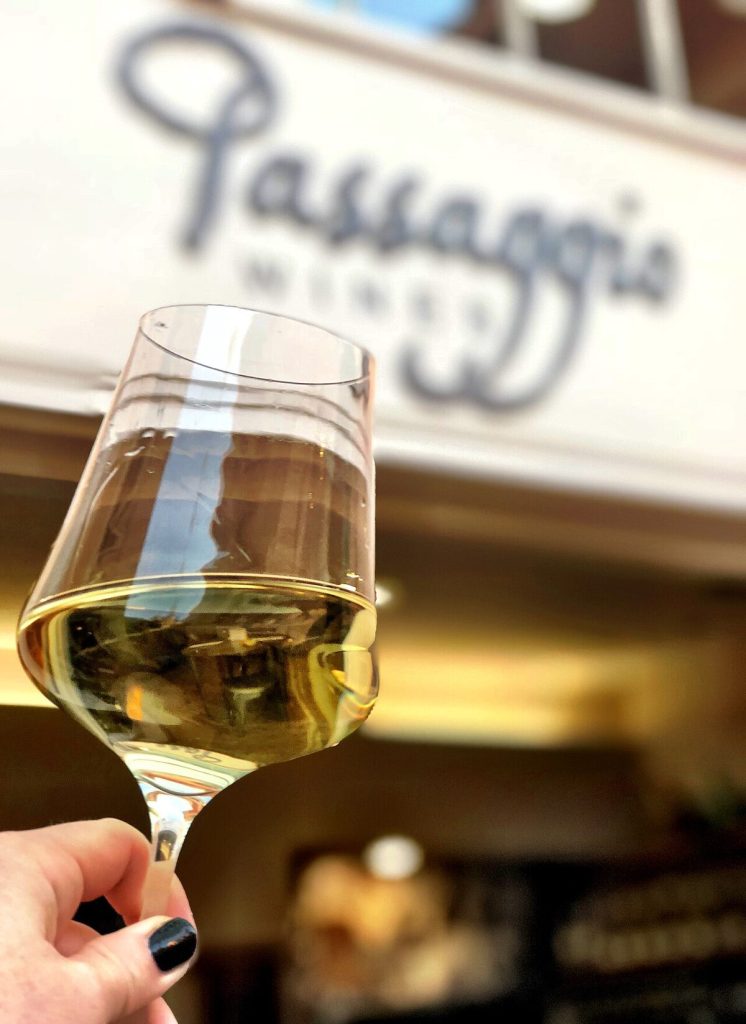
A standard glass of dry white wine contains only a small amount of carbohydrate, and chardonnay wine carbs usually come to roughly 3 to 4 grams in a 5-ounce (150 ml) serving. The exact number depends on how dry the wine is and how much residual sugar remains after fermentation, so the label or producer information is the best guide. This article explains where the carbs in chardonnay come from, how styles differ, and how to enjoy a glass if you are counting carbohydrates.
Key takeaways
- A 5-ounce glass of dry chardonnay typically has around 3 to 4 grams of carbohydrate.
- Carbs come from residual sugar, so sweeter or late-harvest styles contain more.
- Oaked and unoaked styles are usually similar in carbs; sweetness matters more than oak.
- Pour sizes in bars are often larger than 5 ounces, so carbs and calories rise quickly.
- Alcohol also adds calories, and anyone managing diabetes should consult a doctor or dietitian.
How many carbs are in chardonnay?
Wine is made when yeast converts sugar from grapes into alcohol and carbon dioxide. Any sugar that is not fermented remains in the finished wine as residual sugar, and that is where nearly all the carbohydrate comes from. Dry white wines such as most chardonnays have very little residual sugar, which is why they sit at the lower end for carbs among alcoholic drinks.
Nutrition databases such as the USDA’s FoodData Central commonly list dry white wine at around 3 to 4 grams of carbohydrate per 5-ounce glass. Figures differ slightly by source, vintage and producer, so treat these as typical values rather than exact ones. Many countries do not require wine labels to show a full nutrition panel, so you may need to check the producer’s website for details.
| Serving | Volume | Approximate carbs (dry chardonnay) |
|---|---|---|
| Small glass | 125 ml (about 4.2 oz) | About 2.5 to 3.5 g |
| Standard US pour | 150 ml (5 oz) | About 3 to 4 g |
| Large UK glass | 175 ml (about 6 oz) | About 3.5 to 4.7 g |
| Extra large glass | 250 ml (about 8.5 oz) | About 5 to 6.5 g |
| Full bottle | 750 ml (about 25 oz) | About 15 to 20 g |
These are estimates for dry styles. A sweet or off-dry wine will be higher, so always check the producer’s information when it is available.
What affects the carbs in a glass of chardonnay
Residual sugar
This is the main factor. Most chardonnay is made dry, meaning the yeast has consumed nearly all the sugar. Some producers deliberately leave a little sugar behind for a rounder taste, especially in inexpensive mass-market wines. A wine labelled off-dry, medium or late harvest will usually contain more carbohydrate.
Alcohol level
Alcohol itself is not a carbohydrate, but it contributes calories. Chardonnay from warm regions often has a higher alcohol level, which means more calories per glass even when carbs stay modest. Wine with 14 percent alcohol will have more calories than a similar glass at 12 percent.
Oak and winemaking style
Oak ageing changes flavour, giving notes of vanilla, toast and butter, but it does not meaningfully change the carbohydrate content. A buttery, oaked chardonnay and a crisp, unoaked one can have similar carbs if both are dry. Cool-climate styles such as Chablis tend to taste leaner and crisper, which can make them seem drier, although the numbers are broadly similar.
Sparkling versions
Chardonnay is also a key grape in many sparkling wines, including Champagne. Sparkling wines carry a sweetness label such as brut nature, brut or demi-sec, and those labels indicate sugar levels. Brut nature has the least sugar, while demi-sec is noticeably sweeter. You can read more about the grape in the Chardonnay article on Wikipedia.
Chardonnay compared with other drinks
If you are choosing a drink with carbs in mind, a quick comparison helps. The values below are rough, typical ranges for common servings and will vary by brand.
| Drink | Typical serving | Rough carb range |
|---|---|---|
| Dry chardonnay | 5 oz (150 ml) | 3 to 4 g |
| Dry red wine | 5 oz (150 ml) | 3 to 4 g |
| Sweet dessert wine | 3 oz (90 ml) | 10 to 20 g or more |
| Regular beer | 12 oz (355 ml) | 10 to 13 g |
| Light beer | 12 oz (355 ml) | 3 to 6 g |
| Spirits, such as vodka | 1.5 oz (45 ml) | 0 g (before mixers) |
Mixers change everything. A spritzer made with soda water adds almost no carbs, while a wine cocktail with sugary juice or syrup can add many. For a sense of how carbs from food compare, see our guide to carbs in a slice of pizza.
How to keep chardonnay carbs low
- Choose dry styles. Look for words such as dry, brut nature, or extra brut. Avoid medium, off-dry and late-harvest labels.
- Measure your pour. Use a measuring jug once to see what 5 ounces looks like in your own glass. Many home pours are 7 to 9 ounces.
- Check the producer. Some brands publish technical sheets with residual sugar in grams per litre. Under about 4 grams per litre is considered very dry.
- Make a spritzer. Mix with soda water or sparkling water to extend the drink and lower both carbs and alcohol.
- Alternate with water. It slows how fast you drink and helps with hydration.
- Watch the food. Bread, pasta and desserts that go with wine usually contribute more carbohydrate than the wine itself.
Calories and alcohol: the bigger picture
For many people the more important number is calories rather than carbs. A 5-ounce glass of dry chardonnay is typically somewhere around 120 calories, although this varies by alcohol level and style. Alcohol provides about 7 calories per gram, which is almost as much as fat, so several glasses add up quickly even if the carbs look low.
Official guidance in different countries recommends limits on weekly alcohol intake. In the UK, the NHS advises not regularly drinking more than 14 units a week, spread over several days, and a 175 ml glass of 13 percent wine is around 2.3 units. Check the latest advice on the NHS website or from your national health authority.
Chardonnay, keto and diabetes
On low-carb or keto plans, dry chardonnay is often considered acceptable in moderation because of its low sugar, but alcohol can slow fat burning and lower inhibitions around food. People with diabetes should be especially careful. Alcohol can cause blood sugar to drop, sometimes hours after drinking, particularly with certain medicines or insulin. Speak to your doctor, nurse or dietitian about whether and how much alcohol is suitable for you, and never drink and drive.
Frequently asked questions
How many carbs are in a glass of chardonnay?
A typical 5-ounce glass of dry chardonnay contains around 3 to 4 grams of carbohydrate. Larger pours or sweeter styles will have more.
Is chardonnay keto-friendly?
Dry chardonnay is low in carbs, so many people on keto include small amounts. Alcohol affects everyone differently, so keep portions modest and check with a health professional if needed.
Does oaked chardonnay have more carbs than unoaked?
Not meaningfully. The oak influences flavour rather than sugar. Dryness matters far more than whether a wine saw oak.
Which white wine has the fewest carbs?
Very dry whites such as many Sauvignon Blancs, Albariños and brut nature sparkling wines are among the lowest. Check each producer for residual sugar details.
Why do wine bottles not show carbs?
Many regions do not require full nutrition labelling on wine, although ingredient and calorie labelling rules are changing in some places. Producer websites are the best source.
Conclusion
Chardonnay wine carbs are low when the wine is dry: expect roughly 3 to 4 grams in a standard 5-ounce glass. The real differences come from sweetness, serving size and what you mix or eat with it. Choose dry styles, measure your pour, remember the calories from alcohol and speak to a health professional if you have diabetes or other medical needs. Enjoyed in moderation, a glass of chardonnay fits comfortably into most balanced eating plans.
Key takeaways about chardonnay wine carbs
Here is a short summary of chardonnay wine carbs so you can find the main points quickly.
- A standard glass of dry white wine contains only a small amount of carbohydrate, and chardonnay wine carbs usually come to roughly 3 to 4 grams in a 5-ounce (150 ml) serving.
- Wine is made when yeast converts sugar from grapes into alcohol and carbon dioxide.
- Nutrition databases such as the USDA's FoodData Central commonly list dry white wine at around 3 to 4 grams of carbohydrate per 5-ounce glass.
- Alcohol itself is not a carbohydrate, but it contributes calories.
Save this guide to chardonnay wine carbs so you can find it again whenever you need a quick reminder.
If you only remember one thing about chardonnay wine carbs, make it the practical steps covered in this guide.
Check official sources before acting on anything related to chardonnay wine carbs, because details can change over time.
Questions about chardonnay wine carbs are common, so it helps to compare more than one trustworthy source.
Use this page as a starting point for chardonnay wine carbs and come back to it when your situation changes.
Good decisions about chardonnay wine carbs come from checking the facts, comparing your options and taking your time.
Related reading:
- Where Are Iron Man Tires Made? Brand Origin Explained
- LSU Is Located in What City? Louisiana State University Explained
For general background, you can look up chardonnay wine carbs on Wikipedia.