Here is a clear, practical look at what is difference between distilled water and purified water, covering what matters most and what to check before you decide.
What is the difference between distilled water and purified water? The difference is mainly how they are made: distilled water is boiled into steam and condensed back into liquid, which removes nearly all minerals, while purified water is any water treated to remove contaminants, using methods such as filtration, reverse osmosis or deionisation. So all distilled water is purified, but not all purified water is distilled.
Key takeaways
- Distilled water is one specific type of purified water, made by boiling and condensing steam.
- Purified is a broader label that covers several treatment methods.
- Distilled water is the usual choice for steam irons, CPAP machines (if the maker advises it) and car batteries.
- For everyday drinking, safe tap water or properly bottled water is fine for most people.
- Always follow the appliance manufacturer’s instructions on which water to use.
What is the difference between distilled water and purified water?
Think of purified water as the family and distilled water as one member. Purified water simply means water that has had impurities such as chemicals, dirt, bacteria or dissolved solids reduced to an acceptable level. Several technologies can do this. Distilled water is made by one process in particular, distillation, and it ends up with almost no dissolved minerals at all.
Because the word purified is not tied to one method, two bottles labelled purified can differ. One might be filtered and treated with ultraviolet light, another might have gone through reverse osmosis and had minerals added back for taste. A bottle labelled distilled should have been distilled.
How distilled water is made
Distillation heats water until it turns to steam. The steam rises, leaving behind most dissolved solids such as calcium, magnesium and salts. It is then cooled and condenses back into liquid in a clean container. The result is very pure water with almost no minerals. Some volatile compounds can carry over with the steam, which is why good equipment often includes an extra step to remove them.
How other purified water is made
Different purification methods target different problems.
Filtration
Carbon filters, such as those in jugs, remove chlorine, some metals and unpleasant tastes. They do not remove all dissolved minerals.
Reverse osmosis
Water is pushed through a very fine membrane that holds back most dissolved solids and many contaminants. Home and commercial systems use this method widely.
Deionisation
Ion-exchange resins swap dissolved mineral ions for hydrogen and hydroxide ions, producing water with very low mineral content. It is common in laboratories and industry.
Ultraviolet and ozone treatment
These target microorganisms rather than minerals, and are often combined with filtration.
Side-by-side comparison
| Feature | Distilled water | Purified water |
|---|---|---|
| Main method | Boiling and condensing steam | Filtration, reverse osmosis, deionisation, UV or distillation |
| Mineral content | Almost none | Varies; may be low or have minerals added |
| Taste | Flat to many people | Often cleaner, can taste neutral or slightly mineral |
| Best for | Steam irons, humidifiers, some lab and medical uses | Drinking, cooking, coffee machines |
| Cost | Often slightly higher per litre | Varies widely |
Which should you use?
For drinking
Most people in the UK can safely drink tap water, which is tested and regulated. Bottled purified water is a matter of taste or convenience. Distilled water is safe to drink, but many find it tastes flat because it lacks minerals. Minerals in water are a minor source in most diets, so drinking distilled water occasionally is not a worry for healthy people. If you have a medical condition or a baby on formula, check with your GP, pharmacist or health visitor.
For appliances
This is where distilled water shines. Minerals in hard water leave limescale in steam irons, kettles, humidifiers and similar devices. Using distilled or demineralised water avoids the build-up. Always check the manual first, as some makers specifically recommend a particular type.
For cars and batteries
Lead-acid batteries that need topping up and cooling systems often call for distilled or deionised water, because minerals can cause deposits and corrosion. Follow the vehicle handbook.
For medical devices and aquariums
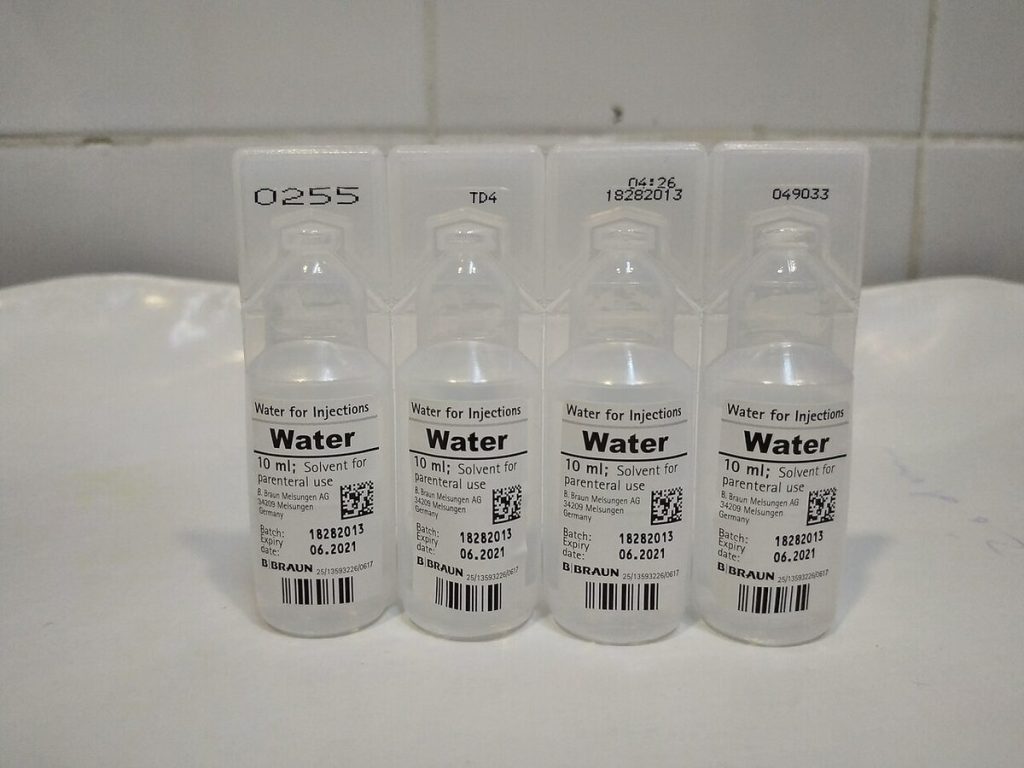
Some medical devices, such as certain CPAP humidifiers, ask for distilled water, so follow the manufacturer’s advice. Aquarium keepers often use purified water, then add minerals back to suit the fish.
How to choose the right water: a quick guide
- Check the instruction manual of your appliance or device.
- If it says distilled, do not substitute tap or bottled mineral water.
- If it says purified or filtered, a jug-filtered or reverse osmosis product is usually acceptable, but confirm.
- For drinking, use safe tap water or a brand you like.
- Read the label. Terms like purified, demineralised, deionised and distilled are not interchangeable.
Common myths
- Distilled water leaches minerals from your body. There is no good evidence that occasional drinking causes harm in healthy people.
- Purified always means distilled. It does not; it only means treated.
- Boiling tap water makes it distilled. Boiling kills germs but leaves minerals behind, and can concentrate them.
If you are curious about other pairs of products that look alike but differ in how they are made, our explainer on the difference between Scotch and whiskey follows a similar idea, and you can read more about the process on Wikipedia.
Buying and storing distilled and purified water
Both types are sold in supermarkets, pharmacies and DIY shops, usually in plastic jugs or bottles. Check the label for the words distilled, deionised or demineralised if you need very low-mineral water. Keep unopened containers in a cool, dark place and close them tightly after opening, because pure water readily absorbs carbon dioxide and other substances from the air, which slightly changes its purity. Use opened containers within a reasonable time, and do not top up one container with another type of water.
If you are on a budget, remember that for most household appliances a dedicated demineralised product, or collecting condensate where the manual allows it, can cost less than bottled drinking water. Never use water from a source you cannot trust, and never drink water from appliances such as dehumidifiers or air-conditioners, which is not made to be safe for consumption.
Frequently asked questions
Is distilled water the same as purified water?
Not exactly. Distilled water is a type of purified water, but purified water can be made by other methods and may still contain some minerals.
Can I drink distilled water?
Yes, it is safe for most healthy people, though it tastes flat. For babies, medical conditions or special diets, ask a health professional.
Can I use purified water in a steam iron?
Often yes, but distilled or demineralised water is safer for avoiding limescale. Check your iron’s manual.
Why is bottled purified water sold with added minerals?
Some producers add minerals back after purification to improve taste. The label should say so.
Is reverse osmosis water the same as distilled?
No. Reverse osmosis removes most dissolved solids using a membrane, but the process and the final purity differ from distillation.
Conclusion
Distilled water is the most specific kind of purified water, made by boiling and condensing steam, while purified is a broad term for any treated water. For drinking, safe tap or good bottled water is fine. For appliances, batteries and medical devices, follow the manufacturer and choose distilled when it says so.
Key takeaways about what is difference between distilled water and purified water
Here is a short summary of what is difference between distilled water and purified water so you can find the main points quickly.
- What is the difference between distilled water and purified water?
- Think of purified water as the family and distilled water as one member.
- Because the word purified is not tied to one method, two bottles labelled purified can differ.
- Distillation heats water until it turns to steam.
Save this guide to what is difference between distilled water and purified water so you can find it again whenever you need a quick reminder.
If you only remember one thing about what is difference between distilled water and purified water, make it the practical steps covered in this guide.
Check official sources before acting on anything related to what is difference between distilled water and purified water, because details can change over time.
Questions about what is difference between distilled water and purified water are common, so it helps to compare more than one trustworthy source.
Use this page as a starting point for what is difference between distilled water and purified water and come back to it when your situation changes.
Good decisions about what is difference between distilled water and purified water come from checking the facts, comparing your options and taking your time.
Related reading:
- Bay County Scanner Live: How to Listen and What to Know
- Can You Ship Wine via FedEx? Rules, Requirements and Tips
For general background, you can look up what is difference between distilled water and purified water on Wikipedia.