Why do women eat cornstarch? In most cases it is a craving for a non-food substance, a pattern doctors call pica, and it is often linked to low iron, pregnancy, stress or habits that run in families and communities. Men and children can experience it too, but it is frequently reported by women, partly because iron deficiency and pregnancy are common triggers. It is nothing to be ashamed of, and it is worth mentioning to a health professional.
This article is general information, not medical advice. If you are worried about your own symptoms, speak to a doctor, nurse or pharmacist.
Key takeaways
- A craving to eat raw starch is a recognised form of pica, not a character flaw.
- Iron deficiency and pregnancy are among the most commonly linked causes.
- Eating large amounts of raw starch can crowd out nutritious food and may cause digestive problems.
- A simple blood test can check iron levels and related causes.
- Tell your doctor or midwife honestly, since help is available and judgement-free.
What is pica?
Pica is a persistent urge to eat things that are not normally considered food. Examples include ice, clay, chalk, soil, paper and raw starches such as cornstarch or laundry starch. Craving ice has its own name, pagophagia, and is also strongly associated with iron deficiency. You can read a general summary in the Wikipedia article on pica.
The urge can be intense and hard to explain. People often describe liking the texture, the chalky or powdery feel, or the way it dissolves in the mouth. Many keep it secret because they are embarrassed, which delays them from getting checked.
Common reasons behind the craving
Researchers do not fully understand why pica happens, and it can occur even when blood tests look normal. These are the factors most often discussed:
- Iron deficiency or anaemia. This is one of the most consistent links. Some people find the craving fades once iron levels are treated.
- Pregnancy. Tastes and appetite shift, and nutritional needs rise. Cravings for starch, ice or other unusual substances are reported in some pregnancies.
- Other nutritional gaps. Low zinc has been proposed as a factor, although the evidence is less certain.
- Stress, anxiety or other mental health factors. Eating non-food items can become a way of coping or self-soothing.
- Learned or cultural habits. In some families and communities, eating clay or starch is a long-standing practice that people pick up from relatives.
- Developmental or neurological conditions. Pica can be more common in people with certain developmental conditions.
Is eating cornstarch harmful?
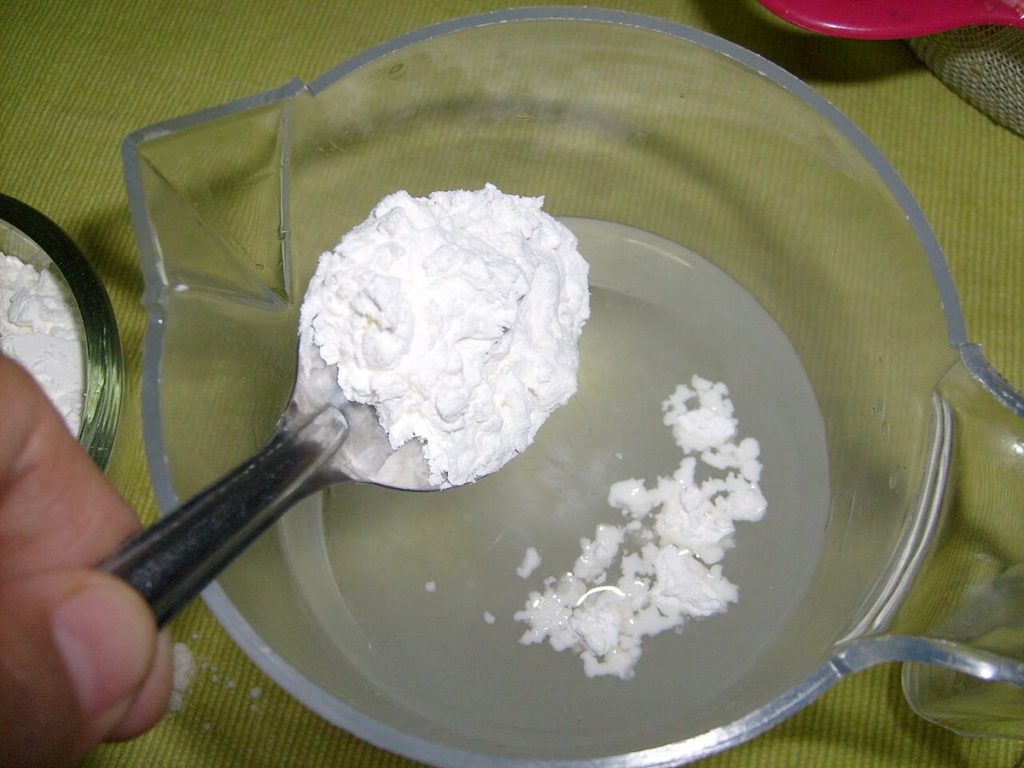
Cooked cornstarch used to thicken a sauce is an ordinary food ingredient. The concern is with eating it raw in large quantities as a regular habit. It is mostly refined carbohydrate, with very little protein, fibre, vitamins or minerals, so a person who fills up on it may eat less nourishing food.
Possible problems include:
- Constipation or other digestive discomfort
- Unwanted weight gain from a high calorie intake with little nutritional value
- Raised blood sugar, which matters particularly for people with diabetes or gestational diabetes
- Worsening of any underlying deficiency, because the craving may replace better food
- In rare cases, a blockage in the gut if very large amounts are eaten
Whether it is a problem for you depends on how much, how often and what else is going on with your health. A doctor can help you judge that.
Cravings in pregnancy
If you are pregnant and find yourself reaching for starch, ice or other non-food items, raise it with your midwife or doctor at your next appointment. They can check your iron and blood sugar and offer practical suggestions. Anaemia is common in pregnancy and is usually treatable with diet changes and supplements prescribed or recommended by a professional. Do not start high-dose supplements without advice, since too much iron can be harmful.
The NHS explains iron deficiency anaemia, including symptoms and treatment, on its iron deficiency anaemia page.
When to see a doctor
Book an appointment if:
- You are regularly craving and eating non-food items for more than a month
- You feel tired, breathless, dizzy or unusually pale
- You are pregnant or planning a pregnancy
- You have stomach pain, constipation or vomiting after eating the substance
- You cannot stop even though you want to
Seek urgent help if you have severe abdominal pain, repeated vomiting or cannot pass stools.
What to expect at the appointment
A clinician will ask what you eat, how often and for how long, and may ask about your diet, periods, pregnancy history and mood. You may have a blood test for iron levels, a full blood count and possibly other checks. Try to describe the habit honestly. Healthcare professionals hear about pica regularly and are interested in helping, not judging.
Practical steps that may help
- Get tested. Treating a deficiency can reduce or end the craving.
- Eat regular, balanced meals. Include iron-rich foods such as pulses, leafy greens, fortified cereals and, if you eat meat, lean red meat, combined with vitamin C for better absorption.
- Offer your mouth a substitute. Some people find crunchy foods, such as raw carrots, or sugar-free gum help with the texture they want.
- Notice triggers. Track when the craving strikes, for example when stressed or bored, and plan alternatives.
- Seek emotional support. If stress or anxiety is behind it, talking therapies and support groups can help.
Other odd body questions are worth looking at carefully too. Our explainers on why salt is put on icy roads and on why someone might screenshot your Snapchat profile take the same plain-language approach to other everyday puzzles.
Frequently asked questions
Is craving cornstarch always a sign of anaemia?
No. Iron deficiency is a common link, but cravings can also relate to pregnancy, stress, habit or other factors. A blood test is the only way to know whether low iron is involved.
Is cooked cornstarch safe?
Cooked cornstarch as a thickener in normal amounts is a standard cooking ingredient. The concerns above relate to eating raw starch in large amounts regularly.
Can pica go away on its own?
Sometimes, particularly if it was linked to pregnancy or a deficiency that gets treated. It can also persist, in which case professional support is useful.
Does eating cornstarch affect blood sugar?
It is a refined carbohydrate and can raise blood sugar. People with diabetes or pregnancy-related diabetes should discuss the habit with their care team.
Who should I talk to?
Start with a GP, family doctor, midwife or practice nurse. A pharmacist can also point you in the right direction.
Conclusion
If you have wondered why do women eat cornstarch, the answer is usually a mix of nutritional need, pregnancy, stress and habit rather than anything shameful. Getting checked for iron deficiency and talking openly with a professional is the most useful next step.
Key takeaways about why do women eat cornstarch
Here is a short summary of why do women eat cornstarch so you can find the main points quickly.
- This article is general information, not medical advice.
- Pica is a persistent urge to eat things that are not normally considered food.
- The urge can be intense and hard to explain.
- Researchers do not fully understand why pica happens, and it can occur even when blood tests look normal.
If you only remember one thing about why do women eat cornstarch, make it the practical steps covered in this guide.
Check official sources before acting on anything related to why do women eat cornstarch, because details can change over time.
Questions about why do women eat cornstarch are common, so it helps to compare more than one trustworthy source.
Use this page as a starting point for why do women eat cornstarch and come back to it when your situation changes.
Good decisions about why do women eat cornstarch come from checking the facts, comparing your options and taking your time.
Save this guide to why do women eat cornstarch so you can find it again whenever you need a quick reminder.
Related reading:
- Who Is PO Box 4777 Rugby? How to Check a Mail Address
- How Many Ounces Are in a Pound? Quick Conversion Guide
For general background, you can look up why do women eat cornstarch on Wikipedia.