Finding nice places to eat Swansea has to offer is easy once you know where to look. The city on the south Wales coast has relaxed seafront cafes, traditional pubs, restaurants in the centre and by the Marina, and plenty of choices around the Mumbles. To pick a good spot, decide on the atmosphere you want, search by area, read recent reviews and confirm opening times and menus on the venue’s own website.
Key takeaways
- Swansea’s food scene spreads across the city centre, the Marina, the seafront and Mumbles, so choose an area first.
- Always check the venue’s official website or Google Maps listing for current hours, menus and booking rules.
- Book ahead for weekends, school holidays and big match or event days.
- Try Welsh favourites such as laverbread, Welsh cakes and local seafood where you see them on menus.
Where to find nice places to eat in Swansea
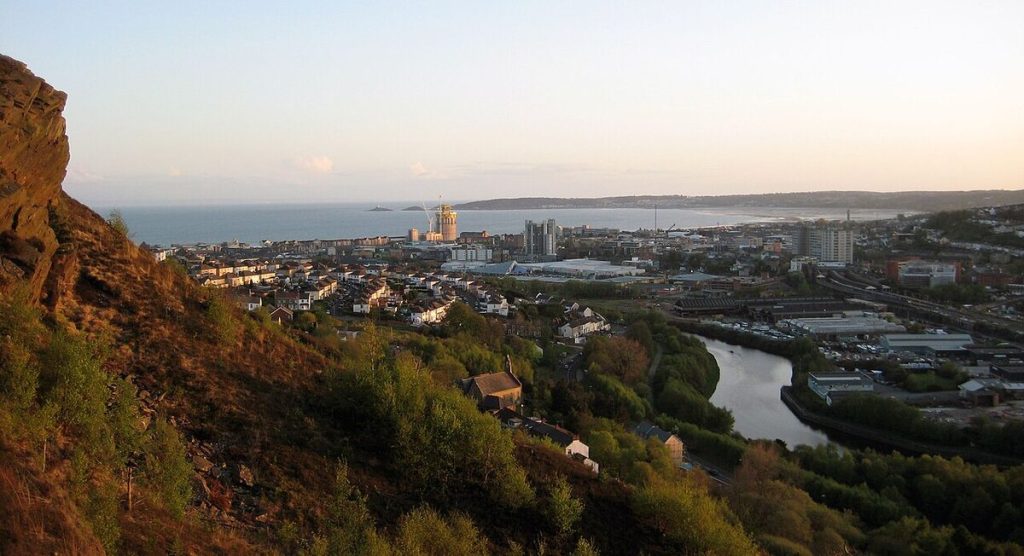
Swansea is Wales’s second city, with a long sandy bay, a working maritime history and a busy university. That mix means the food offering is varied. Rather than recommending specific venues, which change over time, it is more useful to understand the main areas and what each is good for.
| Area | What you will usually find | Good for |
|---|---|---|
| City centre | Cafes, restaurants, pubs and chain eateries near the shops and indoor market | A quick lunch while shopping |
| Marina and Maritime Quarter | Waterside restaurants and bars with views of the boats | Relaxed evening meals |
| Swansea Bay seafront | Cafes, ice cream spots and casual dining along the promenade | Families and walkers |
| Mumbles | A village-style seaside strip with pubs, cafes and restaurants | Day trips and sunset drinks |
| Uplands and Sketty | Independent cafes, bistros and takeaways popular with locals | Brunch and casual dinners |
This is a general guide to the types of places found in each area, not a list of particular businesses. Always check what is currently open before you set out.
What to eat in Swansea
Swansea is a good place to try traditional Welsh food as well as modern dishes from around the world.
- Laverbread, a seaweed purée traditionally served with bacon and cockles for breakfast.
- Welsh cakes, small griddled sweet cakes with currants, often sold at the indoor market.
- Fresh seafood, especially around the coast and Mumbles.
- Welsh lamb, which appears on many pub and restaurant menus.
- Cawl, a traditional Welsh stew of meat and vegetables.
Swansea Market is a good place to browse local produce and snacks, though stalls and hours change, so check the official council or market website before you go.
How to choose a good restaurant
A little preparation helps you avoid disappointment, especially if you are visiting for a short time. Follow these steps.
- Decide your priorities. Think about budget, group size, dietary needs and whether you want a quiet meal or a lively one.
- Pick an area. Choose the part of Swansea that fits your plans, such as the Marina after a museum visit or Mumbles after a coastal walk.
- Read recent reviews. Look at reviews from the last few months rather than old ones, and read a mix of good and bad.
- Check the menu online. Look at the venue’s official website for current menus, prices and allergen information.
- Confirm opening hours. Hours vary by season and day, so check the official website or Google Maps listing.
- Book if needed. Popular places fill up on Friday and Saturday evenings and during holidays.
Getting there and parking
Swansea is reasonably easy to get around. The main railway station has direct services from Cardiff and London Paddington (check the National Rail or operator website for current services), and the bus station is in the city centre. Local buses connect the centre with the seafront and Mumbles, and the seafront is also pleasant to walk or cycle along.
If you drive, there are council and private car parks around the centre, the Marina and the seafront. Prices and time limits change, so read the signs and use the official parking app or website where available. On sunny weekends, parking at Mumbles and along the bay fills up early, so arrive early or consider public transport.
Tips for a smoother visit
- Allow extra time on summer weekends when the seafront is busy.
- Carry a rain jacket, as the Welsh weather changes quickly.
- If you have a large group, phone ahead rather than relying on online booking alone.
- Ask staff about vegetarian, vegan and gluten-free options, as menus change.
Eating out for different needs
Families
Look for places with children’s menus, high chairs and space for pushchairs. The seafront has many casual options, and an early evening booking usually works best with young children.
Dietary requirements
Many restaurants now cater for vegetarian, vegan and allergy needs, but you should always tell staff about any allergy when ordering. Allergen information must be available in food businesses, so do not be shy about asking.
Budget-friendly options
Lunch menus, market stalls and cafes are usually cheaper than evening restaurants. Check the venue’s own website for current offers rather than relying on old listings.
Other places to compare
If you are planning a wider trip around the UK, you may enjoy our other local food guides. Our article on nice places to eat in Newquay covers another seaside destination, while our guide to places to eat in Ross-on-Wye is a good read if you are heading to the Wye Valley, not far from south Wales. For general information about the city, see the Swansea page on Wikipedia.
Frequently asked questions
What part of Swansea is best for eating out?
It depends on your plans. The Marina is good for waterside dining, the city centre for convenience, and Mumbles for a seaside village feel with lots of choice.
Do I need to book a restaurant in Swansea?
For weekends, holidays and groups, booking is wise. On quieter weekdays you can often walk in, but check the venue’s website or call to be sure.
What traditional Welsh food should I try?
Try Welsh cakes, laverbread, cawl and Welsh lamb. Availability varies by venue, so check menus online first.
Are there vegetarian and vegan options?
Yes, many places offer them, but choice varies. Check the menu in advance or ask the staff when you arrive.
How do I find current opening hours?
Use the venue’s official website or its Google Maps listing, and consider phoning if the hours matter for your plans. Hours often change with the season.
Conclusion
With so many neighbourhoods to explore, nice places to eat in Swansea are never far away. Choose your area, check recent reviews, confirm hours and menus on official sites, and book when it is busy. A bit of planning turns a simple meal into a highlight of your trip to the Welsh coast.
Key takeaways about nice places to eat swansea
Here is a short summary of nice places to eat swansea so you can find the main points quickly.
- Finding nice places to eat Swansea has to offer is easy once you know where to look.
- Swansea is Wales's second city, with a long sandy bay, a working maritime history and a busy university.
- This is a general guide to the types of places found in each area, not a list of particular businesses.
- Swansea is a good place to try traditional Welsh food as well as modern dishes from around the world.
Questions about nice places to eat swansea are common, so it helps to compare more than one trustworthy source.
Use this page as a starting point for nice places to eat swansea and come back to it when your situation changes.
Good decisions about nice places to eat swansea come from checking the facts, comparing your options and taking your time.
Save this guide to nice places to eat swansea so you can find it again whenever you need a quick reminder.
If you only remember one thing about nice places to eat swansea, make it the practical steps covered in this guide.
Check official sources before acting on anything related to nice places to eat swansea, because details can change over time.
Related reading:
- Bottle and Glass, Normanby by Spital: A Local Pub Guide
- Stone Cross Garden Centre Cafe in East Sussex: Visitor Guide
For general background, you can look up nice places to eat swansea on Wikipedia.