Difference Between Plant Cell And Animal Cell
There’s something genuinely satisfying about peeking into the microscopic world and realizing that the cells in your body aren’t built the same as those in a houseplant. Learn...

There’s something genuinely satisfying about peeking into the microscopic world and realizing that the cells in your body aren’t built the same as those in a houseplant. Learning the difference between a plant cell and an animal cell is like spotting the subtle contrast between two favorite recipes—both are delicious, but each has its own secret ingredients. This topic is so enjoyable because it makes biology feel personal; you can look at a leaf or a slice of fruit and instantly picture the rigid walls and solar panels inside, while imagining your own squishy, flexible cells at work. The practical benefit is huge for students, gardeners, and even pet owners who want to understand how living things grow, heal, or react to their environment. For example, that crisp bite of celery? That’s the cell wall. The fact that your skin heals without becoming a rigid structure? That’s the lack of one.
The main purpose of comparing these two cell types is to highlight how each is perfectly adapted to its lifestyle. Plant cells are like independent little factories: they need to support themselves, photosynthesize, and stand tall without moving. Animal cells, on the other hand, are built for flexibility, communication, and rapid movement. By understanding these tweaks, you start to see why plants feel firm and animals feel soft, and why your cells don’t hold water like a succulent. This insight benefits everyone from a curious kid drawing cells in a notebook to a hobbyist trying to keep their basil alive through winter.
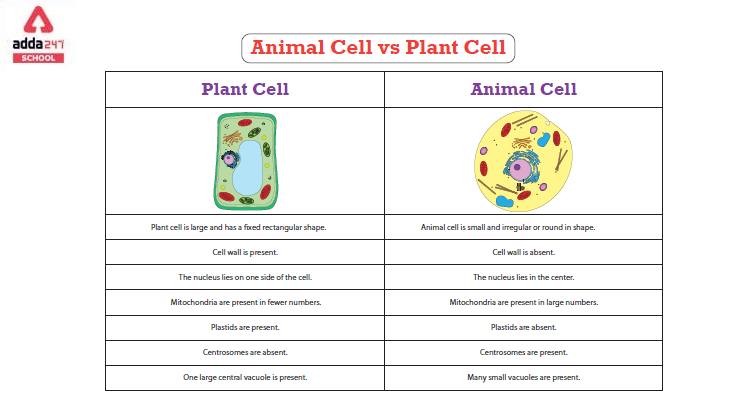
One of the most obvious differences you can notice with a basic microscope is the cell wall. Plant cells have a stiff outer wall made mostly of cellulose, which gives them that classic rectangular, brick-like shape. Animal cells lack this wall, so they tend to be more round or irregular. Think of it like this: a plant cell wears a sturdy wooden crate, while an animal cell carries only a stretchy plastic bag. This means plants can grow tall without a skeleton, but animal cells can squeeze through tiny blood vessels. Another common variation is the chloroplast—the tiny green solar panel that only plants possess. If you’ve ever seen the bright green dots inside a moss leaf, that’s chloroplasts at work. Animal cells don’t have them, so we rely on eating plants for energy instead of soaking up sunshine.
Must Read
Then there’s the vacuole, which varies dramatically. Plant cells typically have one large central vacuole that takes up most of the space, storing water and keeping the cell turgid. That’s why a wilted lettuce leaf can crisp up in water—the vacuoles refill. Animal cells have much smaller vacuoles (or vesicles) that handle temporary jobs like digestion. So, if you’ve ever heard someone say “My plants are thirsty,” they’re actually talking about shrunken vacuoles. Another neat difference: plant cells store energy as starch, while animal cells use glycogen. You can think of it as plants packing a pantry of dry pasta, while animals stash emergency granola bars.
 Plant Vs Animal Cell Difference Between Plant Cell And
If you want to get started exploring this on your own, grab an onion or a piece of celery and a cheap home microscope. Slice a thin piece of onion skin (it’s one cell layer thick) and look for the brick-like pattern and a faint nucleus. Then scrape the inside of your cheek with a clean toothpick—gently—swirl it in a drop of water on a slide, and you’ll see your own round animal cells. Notice the lack of a cell wall. That simple comparison is unforgettable. Another tip: when learning, focus on three key structures to remember the plant side: wall, chloroplast, and big vacuole. For animals, remember: flexible, no green organelles, and small storage spaces.
The beauty of this topic is that it explains everyday observations. Why does a cucumber stay crunchy? Cell walls and turgor pressure. Why does a bruise turn purple? Because your animal cells leak fluid and lack that rigid containment. By knowing these differences, you can even troubleshoot your houseplants: if leaves are drooping, check the vacuole (water them). If a leaf turns yellow, the chloroplasts might be struggling. It’s a small bit of science that turns a walk in the garden into a fascinating cellular tour. So next time you eat a crisp apple, smile knowing you’re munching thousands of tiny, walled-in factories—while your own cells just sit back, flexible and ready for anything.
/animal-cells-vs-plant-cells-373375_final-5b462d7fc9e77c00375014f1.png)