Is Distilled Water A Pure Substance Or Mixture

There’s something oddly satisfying about asking a simple question that turns out to have a surprisingly neat answer. Is distilled water a pure substance or a mixture? It’s the...
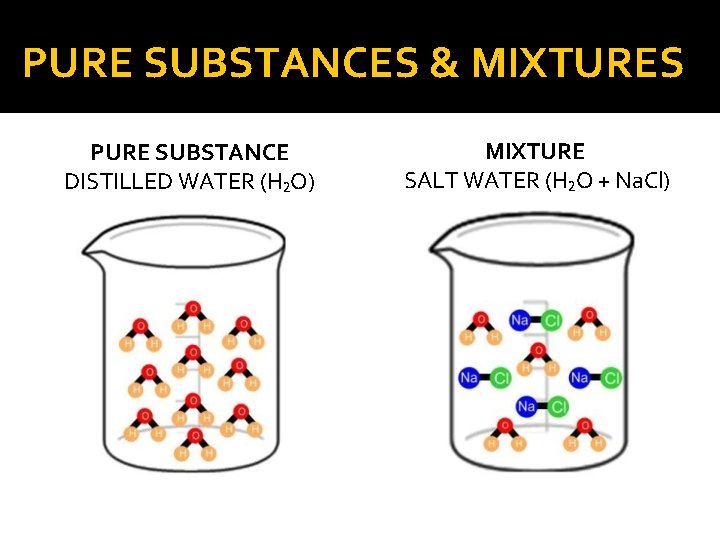
There’s something oddly satisfying about asking a simple question that turns out to have a surprisingly neat answer. Is distilled water a pure substance or a mixture? It’s the kind of topic that sneaks up on you—maybe while you’re filling a humidifier, topping off a car battery, or brewing a fussy pour-over coffee. Understanding this little puzzle is practical because it touches everyday choices: when should you use distilled water, and when is tap fine? For science teachers, it’s a classic classroom starter; for home brewers and aquarium keepers, it’s a matter of precision. The main purpose here is to clear up a common confusion—once you know the answer, you can make better decisions about what goes into your coffee maker, your iron, or even your favorite houseplants.
Let’s start with the chemistry. Distilled water is produced by boiling water and then condensing the steam back into liquid. This process removes almost all dissolved minerals, salts, and impurities. That’s why it’s so pure. In scientific terms, a pure substance has a fixed chemical composition and consistent properties throughout. Distilled water fits the bill: it’s only H₂O molecules, with no other substances mixed in. Compare that to tap water, which contains calcium, chlorine, and other bits—that’s definitely a mixture. So, distilled water is a pure substance. It’s that straightforward, and that’s a rare and satisfying clarity in a world of messy details.
Now, a common twist: the word “pure” can be tricky. Many people assume “pure” means “natural” or “healthy,” but in chemistry, pure means uniform and unchanging. Distilled water is chemically pure, but it can exist in different states—ice, liquid, vapor—without losing its identity as H₂O. On the other hand, if you add a pinch of salt, it becomes a mixture (a solution, to be precise). This distinction matters for ice makers, laboratories, and anyone who wants to avoid scale buildup in appliances. For example, using distilled water in a steam iron prevents mineral deposits from clogging the vents—a practical benefit from understanding this single concept.
Must Read
What about variations? You might encounter deionized water, which is similar but made by passing water through electrically charged resins. It’s also a pure substance in chemical terms. Then there’s spring water, which is a mixture—full of minerals that give it that “earthy” taste. Recognizing these differences helps you choose: use distilled for sensitive electronics or medical devices, but enjoy spring water for drinking if you prefer a little mineral flavor. The best part is that you don’t need a chemistry degree to get it right; just a bit of curiosity.
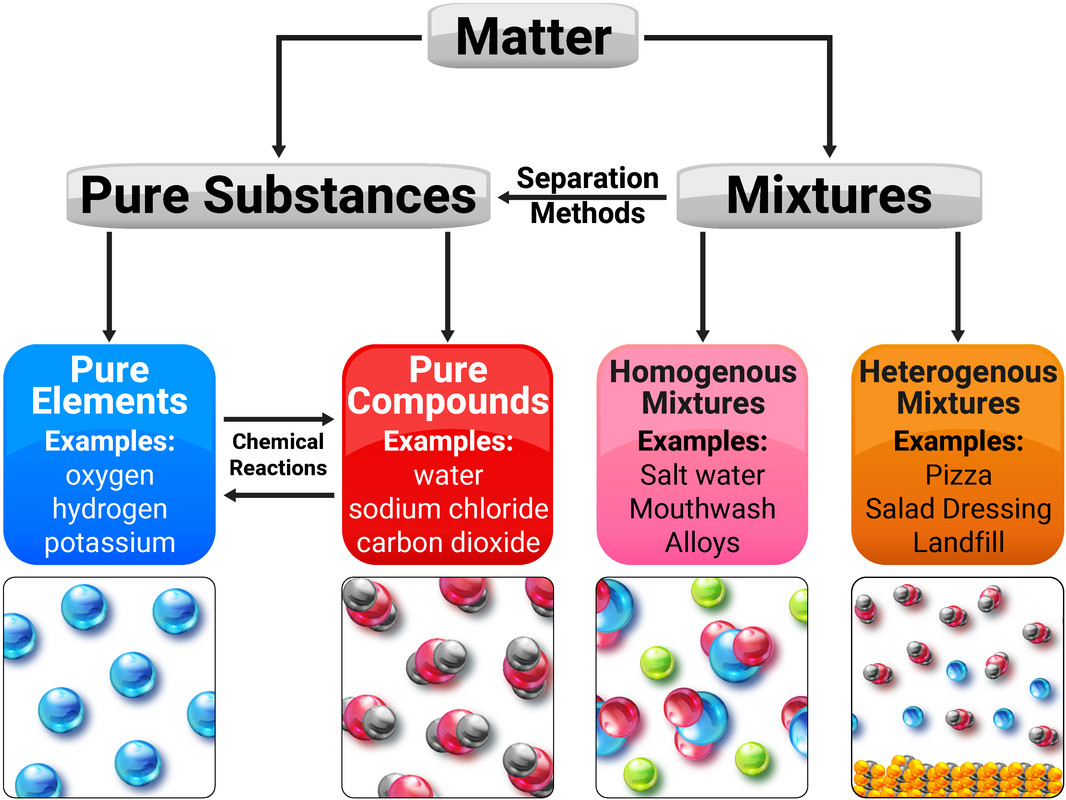 Bottled Distilled Water Mixture Or Pure Substance at William Fetters blog
To make the most of this knowledge, start by checking your home appliances. For example, if your humidifier’s manual recommends distilled water, follow that advice—it prevents white dust from minerals in tap water. For coffee enthusiasts, using distilled water can improve taste if you add a pinch of minerals, but straight distilled might taste flat. A simple tip: test your tap water with a cheap TDS (total dissolved solids) meter. If the number is high, distilled is your friend for many tasks. You can even distill your own water at home with a stovetop setup, but store-bought jugs are perfectly fine for most uses.
In the end, this question isn’t just a dry fact—it’s a useful lens for navigating everyday life. You now know that distilled water is a pure substance, and that understanding helps you keep your gear cleaner, your science projects accurate, and your curiosity satisfied. So next time you fill a kettle or troubleshoot an appliance, smile and enjoy the simple, pure clarity of knowing exactly what’s in that water.


