How Did Crown Families Influence History?

There is a special kind of fascination in watching a dynasty unfold—the way a single family’s decisions can ripple through centuries, shaping borders, laws, and even the langu...
There is a special kind of fascination in watching a dynasty unfold—the way a single family’s decisions can ripple through centuries, shaping borders, laws, and even the languages we speak. Whether through the sweeping conquests of the Habsburgs or the patronage of the Medici, crown families offer a human lens on history. We value their stories because they transform abstract dates into personal dramas of ambition, love, and failure, reminding us that power is never just about politics—it is about bloodlines, money, and the sheer will to endure.
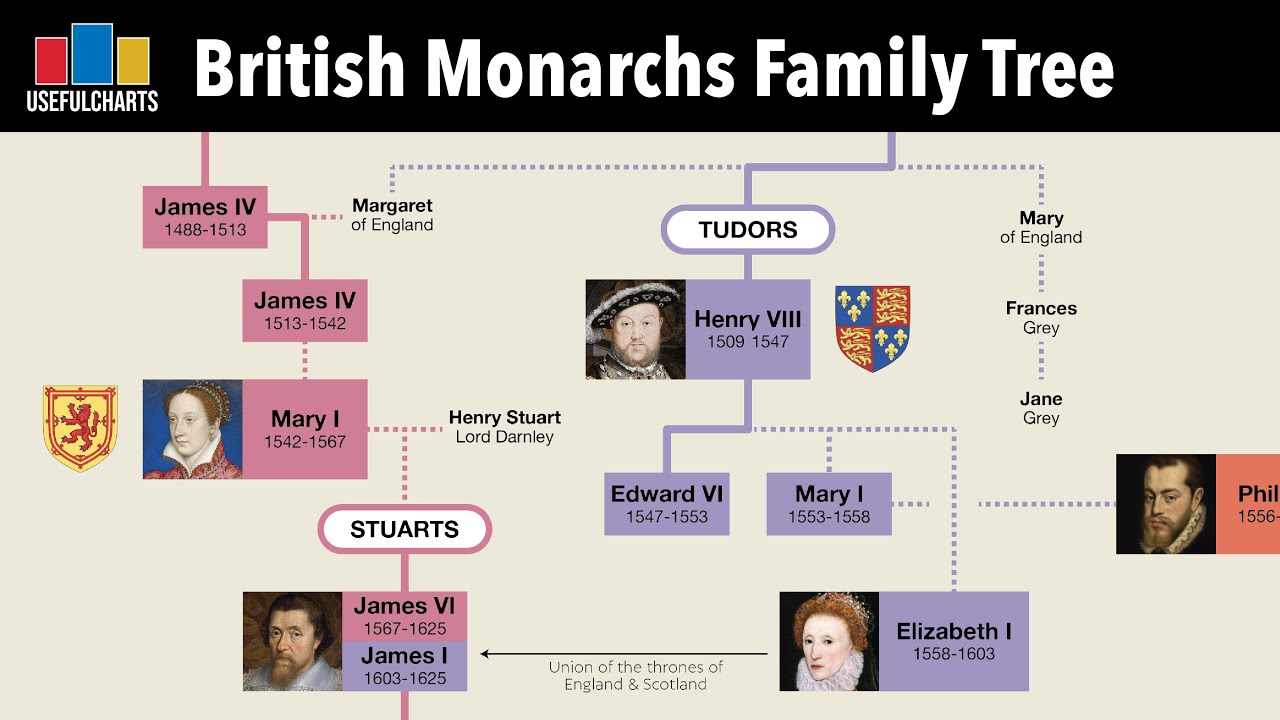
The key purpose of studying crown families is to understand how centralized power has evolved. These families were not merely figureheads; they were the architects of modern nations. For instance, the House of Tudor in England used marriage and religious reform to build a unified kingdom, while the Bourbons in France epitomized absolute monarchy. Their influence taught us that stability often came at a cost, whether through wars of succession or the suppression of dissent.
This history benefits our everyday life in surprising ways. When you use a postal system, drive on a standardized road network, or even celebrate a national holiday, you are touching a legacy born from royal decrees. Take the Ming dynasty in China: their imperial porcelain trade created the global supply chains we rely on today. On a personal level, understanding crown families helps you spot patterns of power and privilege in your own workplace or community—how alliances form, how legacies are protected, and how change is resisted.
Consider a concrete example: the Romanov family, who ruled Russia for over 300 years. Their inability to adapt to industrialization and social reform directly led to the 1917 Revolution, which reshaped the 20th century. Or look at the Qing dynasty in China, where Manchu rulers maintained a rigid ethnic hierarchy that eventually sparked nationalist movements. These scenarios show that a family’s cultural blind spots can doom an entire civilization—a lesson as relevant for a company today as it was for a throne.
Beyond war and policy, crown families influenced art, science, and identity. The Medici bankrolled Leonardo da Vinci and Galileo, while the Mughals (like Shah Jahan, who built the Taj Mahal) left an architectural legacy that still draws millions. Their patronage teaches us that wealth without vision is sterile; the most enduring power is often the power to inspire beauty and curiosity.
:max_bytes(150000):strip_icc():focal(999x0:1001x2)/british-royal-family-tree-011e3df0a3db413680e6221eb1cda7fd.jpg) ENGLISH INS MOISÈS BROGGI: Expressing likes and dislikes - phrases with
ENGLISH INS MOISÈS BROGGI: Expressing likes and dislikes - phrases with
To explore this topic on your own, start with a single family that intrigues you—perhaps the Plantagenets for their dramatic wars, or the Tokugawa shoguns for their isolationist policies. Read a biography or watch a documentary that focuses on everyday life at court, not just battles. Next, trace how that family’s values—like the Habsburg emphasis on diplomacy through marriage—still echo in modern diplomacy or corporate succession planning. Finally, visit a museum or virtual archive of royal artifacts; seeing a crown or scepter in person connects you to the tangible weight of their influence.
In the end, crown families are mirrors. They show us that the desire for legacy is timeless, and the mistakes they made—overreaching, ignoring change, clinging to privilege—are ones we still make today. By studying them, we do not just learn about the past; we learn to recognize the crown families of our own era, whether in boardrooms, dynasties of industry, or political clans. That awareness is the first step toward shaping a history that is wiser, fairer, and more human.