Here is a clear, practical look at how to get rid of purple bruise fast, covering what matters most and what to check before you decide.
If you want to know how to get rid of a purple bruise fast, the honest answer is that nothing erases one overnight, but cold, rest and elevation early on can limit its size, and gentle warmth later can help it fade. Most ordinary bruises clear up on their own within about two weeks.
This is general information, not medical advice. If you are worried about a bruise, see a doctor or pharmacist.
Key takeaways
- For the first 24 to 48 hours, use a wrapped cold pack, rest and elevation.
- After that, gentle warmth can help move trapped blood away.
- Colour changes from purple to green and yellow are normal signs of healing.
- Many online cures are unproven, so stick with simple first aid.
- See a doctor for bruises with no clear cause, severe pain, swelling or a bruise that does not fade after a couple of weeks.
Why bruises turn purple
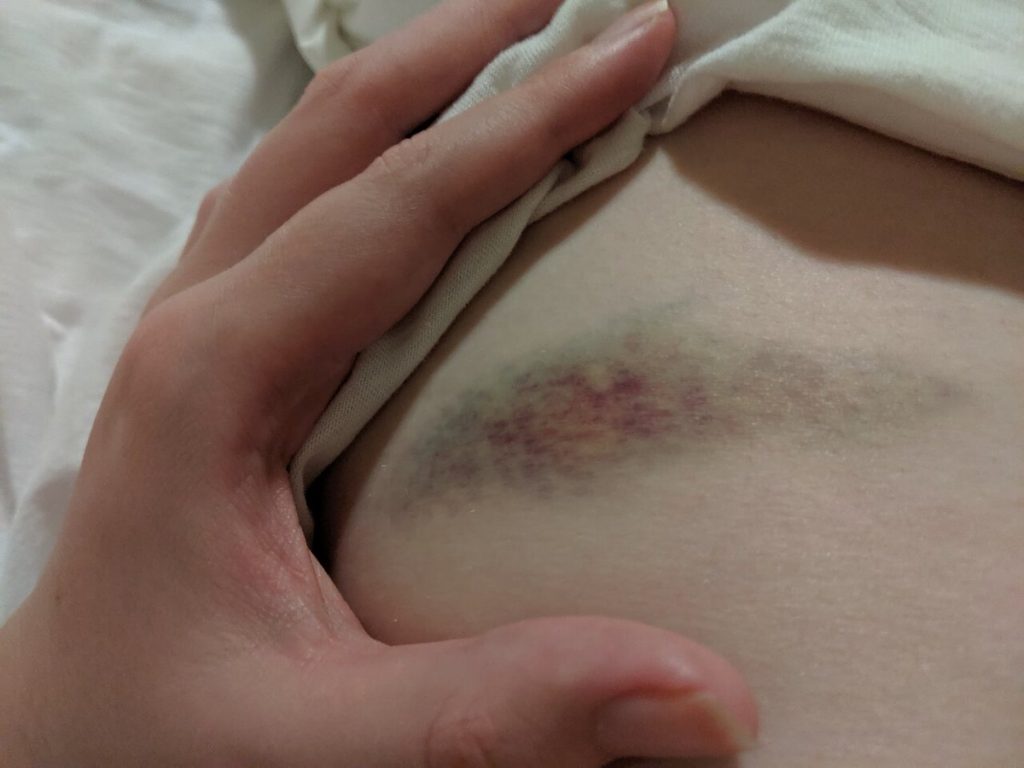
A bruise, also called a contusion, happens when small blood vessels under the skin break after a knock, and blood leaks into the surrounding tissue. Because the blood is trapped under the skin it shows through, first looking red or purple. Over the following days your body breaks down the blood and the colour changes. The Wikipedia article on bruises gives a general summary.
A typical bruise goes through roughly these stages:
| Stage | Typical colour | What is happening |
|---|---|---|
| Day 0 to 1 | Red or pink | Fresh blood has just leaked into tissue |
| Day 1 to 5 | Blue, purple or dark | Blood loses oxygen and settles |
| Day 5 to 10 | Green | Haemoglobin is being broken down |
| Day 10 to 14 | Yellow or brown | The body is clearing the last pigments |
Timing varies from person to person. Bruises on legs often last longer than those on the face or arms, and deeper bruises may take longer to show up at all.
The first 24 to 48 hours
The aim in the early stage is to limit bleeding under the skin, which makes the bruise smaller. A simple routine often called RICE helps:
- Rest the area if you can. Avoid heavy use of the injured limb.
- Ice it. Hold a cold pack or a bag of frozen peas wrapped in a thin cloth against the skin for 10 to 20 minutes at a time, several times a day. Never put ice straight onto skin.
- Compress lightly with a bandage if the area is swollen. It should be snug, not so tight that it hurts, tingles or cuts off circulation.
- Elevate the limb above heart level when sitting or lying down.
Pain relief such as paracetamol is generally considered suitable for aches, whereas anti-inflammatory painkillers like ibuprofen or aspirin can occasionally increase bleeding in some people. If you are unsure, ask a pharmacist, especially if you take blood-thinning medicine.
After the first couple of days
Once the swelling has settled, switch from cold to gentle warmth. A warm, damp flannel or a warm (not hot) compress for 10 to 15 minutes can improve blood flow to the area and help the body clear the trapped blood. Light movement or stretching is fine if it is not painful. Some people find that gently massaging around, rather than directly on, the bruise helps. Stop if it hurts.
Be patient. The body does the work, and you can only support it. Eating a balanced diet, staying hydrated and getting enough sleep all help your tissues repair.
Home remedies: what is helpful and what is myth
Many bruise cures are shared online, but the evidence for most is weak. A fair summary:
- Cold packs early on: sensible and widely recommended for limiting swelling.
- Warm compresses later: reasonable, and unlikely to cause harm if the temperature is comfortable.
- Arnica creams or gels: popular, with mixed evidence. Do not apply to broken skin and do not take arnica by mouth unless a professional advises it.
- Vitamin K creams: sometimes used in cosmetic settings, but the evidence for everyday bruises is limited.
- Vitamin C and a balanced diet: good for general skin health, though eating more is not a quick fix for an existing bruise.
- Pressing, squeezing or “breaking up” the bruise: not recommended. It can hurt and does not help.
- Makeup: a colour-correcting concealer can hide a bruise cosmetically without affecting healing. Green-toned products offset red or purple tones.
Why some people bruise more easily
Age is a common factor, since skin becomes thinner and less cushioned over time. Certain medicines, including blood thinners, some anti-inflammatories and steroids, can make bruising more likely. Low levels of platelets, vitamin deficiencies, liver problems and some clotting disorders also play a part. Sun-damaged skin on the forearms often bruises easily in older adults.
If you are bruising far more than usual, tell a doctor, who can check for underlying causes.
When to see a doctor
Most bruises need no treatment. Seek medical advice if:
- You have large or very painful bruises after a minor bump
- A bruise appears with no known cause, or you bruise easily and often
- The bruise does not improve after about two weeks
- There is a hard, painful lump (a haematoma) that is growing
- You also have nosebleeds, bleeding gums or blood in urine or stools
- The bruise follows a significant injury, and you suspect a broken bone
- The area is swollen, hot, red and getting worse, which could suggest infection
- You take blood thinners and have a large bruise or a head injury
Seek urgent help after a head injury with drowsiness, vomiting or confusion. In the UK, the NHS provides general guidance through its health A to Z, and NHS 111 can advise if you are unsure how urgent something is. If you suspect that a bruise is the result of abuse or violence, speak to a doctor, a trusted person or the police.
A few related reads
Everyday health questions often have a simple answer and a simple warning sign to watch for. Our article on Earth’s crust facts shows how we approach clear, careful explanations on other topics, and if you work for a company that uses a supplier portal, our guide to the Cintas Partner Connect login is another practical walkthrough.
Frequently asked questions
How long does a purple bruise last?
Typically one to two weeks, though some last longer, especially on the legs or in older adults.
Should I use ice or heat on a bruise?
Ice for the first day or two to limit bleeding, then gentle warmth to help the bruise clear.
Does arnica really work?
Evidence is mixed. Creams are widely used, but they should not go on broken skin, and they are no substitute for first aid.
Why is my bruise getting bigger?
Bruises can spread as blood moves through tissue and gravity pulls it downward. If it keeps growing or becomes very painful, see a doctor.
When is a bruise a sign of something serious?
Unexplained, frequent or very large bruises, or bruises with other bleeding, should be checked by a doctor promptly.
Conclusion
Knowing how to get rid of a purple bruise fast really means helping your body early: cold, rest and elevation first, then gentle warmth, plus patience. If a bruise is unusual, painful or slow to fade, get it checked by a health professional.
Key takeaways about how to get rid of purple bruise fast
Here is a short summary of how to get rid of purple bruise fast so you can find the main points quickly.
- A bruise, also called a contusion, happens when small blood vessels under the skin break after a knock, and blood leaks into the surrounding tissue.
- A typical bruise goes through roughly these stages:
- The aim in the early stage is to limit bleeding under the skin, which makes the bruise smaller.
- Pain relief such as paracetamol is generally considered suitable for aches, whereas anti-inflammatory painkillers like ibuprofen or aspirin can occasionally increase bleeding in some people.
Use this page as a starting point for how to get rid of purple bruise fast and come back to it when your situation changes.
Good decisions about how to get rid of purple bruise fast come from checking the facts, comparing your options and taking your time.
Save this guide to how to get rid of purple bruise fast so you can find it again whenever you need a quick reminder.
If you only remember one thing about how to get rid of purple bruise fast, make it the practical steps covered in this guide.
Check official sources before acting on anything related to how to get rid of purple bruise fast, because details can change over time.
Questions about how to get rid of purple bruise fast are common, so it helps to compare more than one trustworthy source.
Related reading:
- What Does B Mean in a Prius? Engine Braking Explained
- Cherry Seaborn Age: How to Find Reliable Facts
For general background, you can look up how to get rid of purple bruise fast on Wikipedia.