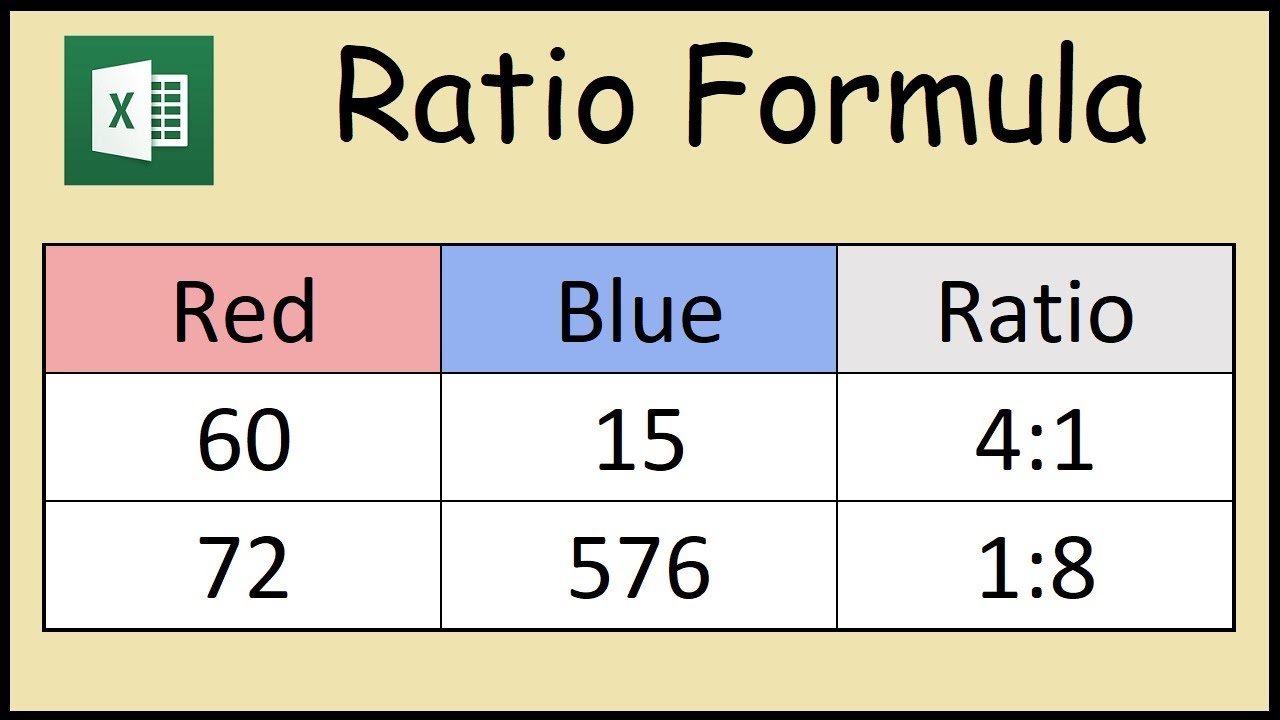
How To Calculate Ratio

There is a quiet satisfaction in making sense of the world through numbers. Calculating a ratio is one of those fundamental skills that turns chaos into clarity, whether you a...
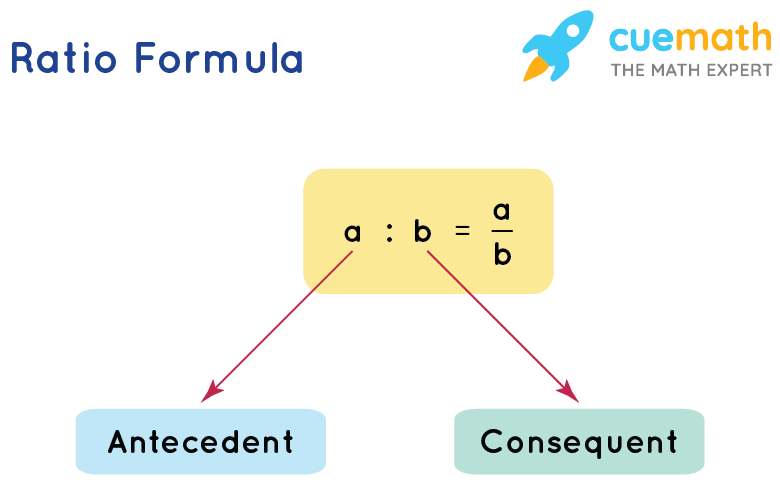
There is a quiet satisfaction in making sense of the world through numbers. Calculating a ratio is one of those fundamental skills that turns chaos into clarity, whether you are mixing paint, scaling a recipe, or comparing sales figures. It is a tool for fairness and precision, allowing you to see relationships between quantities with confidence. People enjoy it because it brings a sense of order to everyday decisions—transforming guesswork into a reliable method.
The key purpose of a ratio is to compare two or more quantities by showing how many times one value contains or is contained within the other. Unlike a fraction, which represents a part of a whole, a ratio reveals the relative size of parts. For example, if a fruit punch recipe calls for 3 cups of juice and 1 cup of water, the ratio is 3:1. This clarity helps you adjust proportions without losing the intended balance—a huge benefit for cooking, budgeting, or any activity where consistency matters.
In everyday life, ratios simplify problems that might otherwise feel overwhelming. Imagine you are planning a road trip and need to split fuel costs among four friends. If you drive 200 miles and your friend drives 100 miles, the ratio of distance is 2:1. You can then divide expenses fairly, based on each person’s share. This approach prevents arguments and ensures everyone contributes proportionally. Similarly, in home improvement, mixing concrete or paint often relies on ratios to achieve the right texture or shade every time.
To calculate a ratio, start by identifying the two quantities you want to compare. Write them as a fraction or with a colon, then simplify if possible. For instance, if a class has 12 boys and 8 girls, the ratio is 12:8. Divide both numbers by their greatest common factor (4) to get 3:2. This tells you that for every three boys, there are two girls—a clear snapshot of the class composition. Practice with simple scenarios, like comparing your weekly savings to your spending, to build confidence.
Another useful method is scaling a ratio. Suppose a recipe for 4 people uses a ratio of 2 cups of flour to 1 cup of sugar. To serve 8 people, you simply multiply both numbers by 2, yielding 4:2. This proportional thinking works for any multiplier, making it easy to adapt plans. Always keep the relationship intact—never change one side without adjusting the other, or you’ll break the balance.
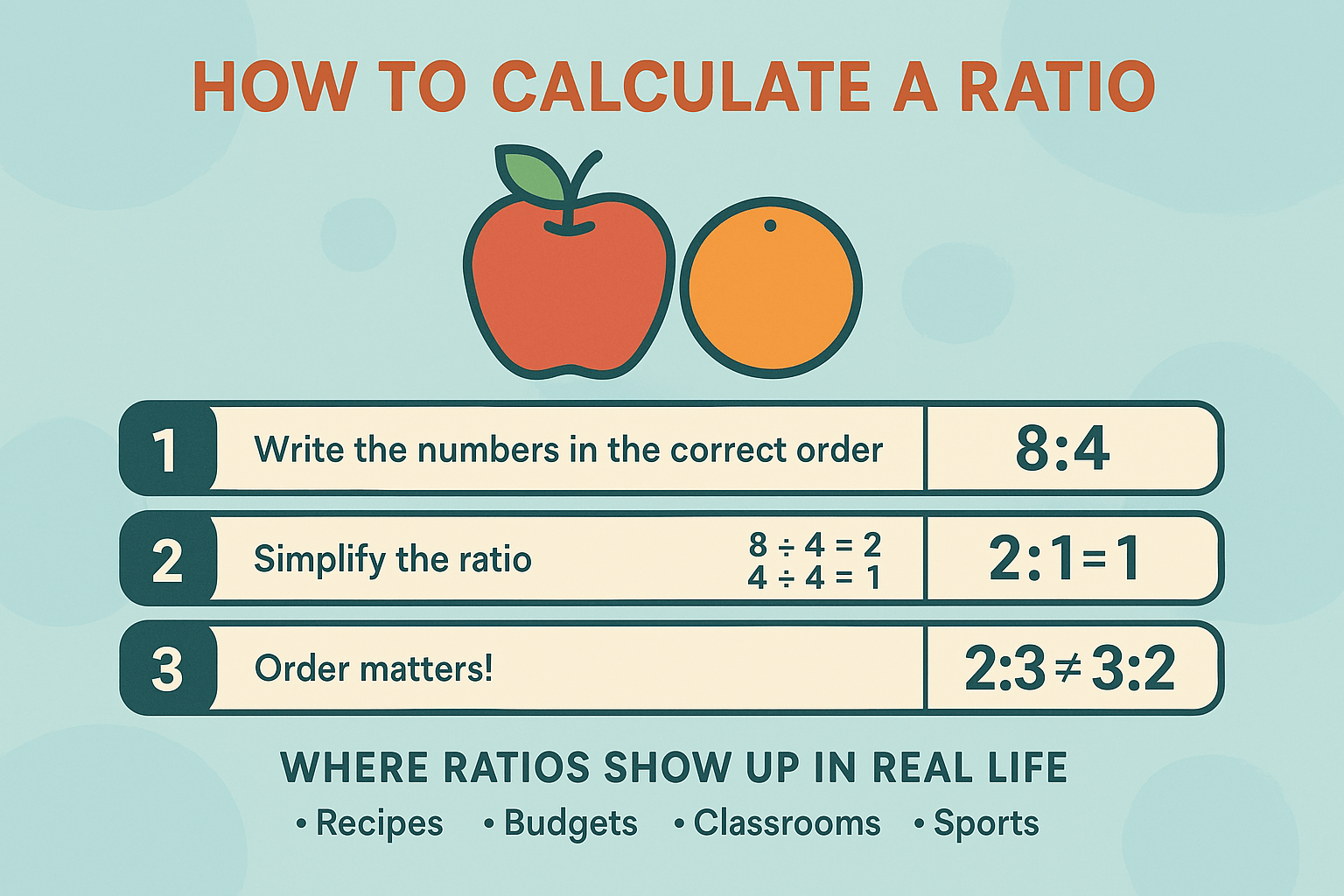 How to Calculate a Ratio (Made Simple!) - OneSDR - 🛜 Technology
For readers eager to explore on their own, start with three practical tips: first, use real-world data like comparing your commute time to work days; second, draw a simple table to organize numbers if they feel messy; and third, practice with digital tools like spreadsheet formulas, which automate the math. The more you experiment, the more ratios become second nature—a trustworthy guide for making decisions big and small.
Ultimately, mastering ratios is about gaining control over comparisons. Whether you are balancing a budget, creating art, or just splitting a pizza fairly, this skill turns abstract numbers into actionable insights. It empowers you to see patterns that others might miss and to make choices with confidence. So next time you face a mixture of values, remember: a ratio is your key to unlocking order from the everyday chaos.