If you are looking into is canned tuna processed, this guide explains the essentials in plain language and points you to the most useful next steps.
Yes, canned tuna is processed, but that word covers a huge range. Cooking, canning and sealing fish is a long-standing method of preservation, and it is very different from a frozen pizza loaded with additives.
What happens to tuna before it reaches the can
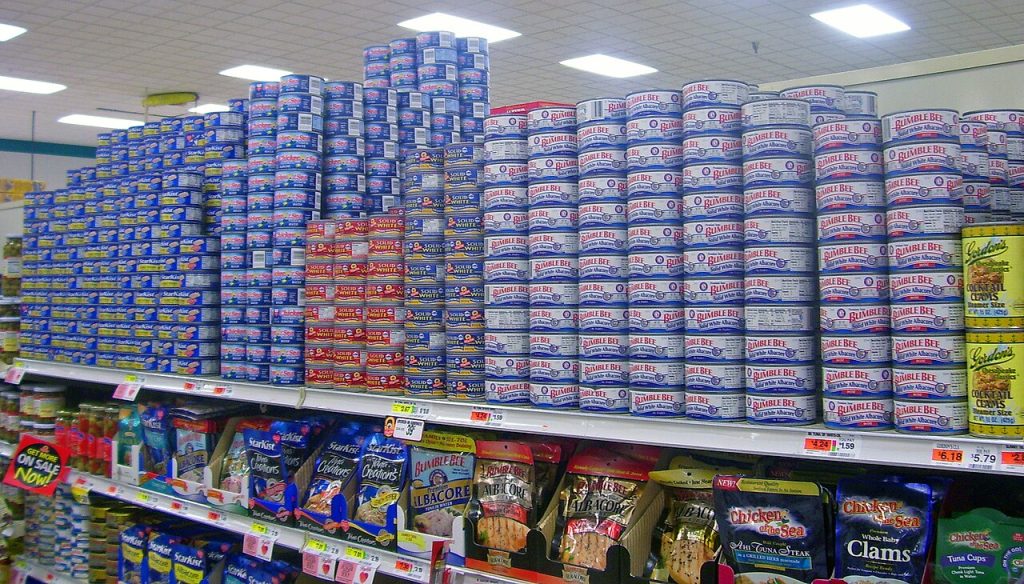
The fish is cleaned, cooked, cut and packed into cans with water, oil or brine. The cans are then sealed and heated again to kill bacteria, which is what gives them a shelf life of years. By most food classification systems, that makes tuna a minimally or moderately processed food.
Is it still healthy?
For most people, yes. Canned tuna is a cheap source of lean protein, vitamin D and omega-3 fats, though canned light and skipjack tend to have less mercury than albacore. Packed in water, it is lower in calories; packed in olive oil, it tastes richer and keeps more of the fish’s fat.
Things to watch
- Sodium. Some cans are heavily salted. Look for no-salt-added versions.
- Mercury. Larger tuna species carry more. Health agencies suggest limiting how often pregnant women and young children eat it.
- Extras. Flavoured tins often add sauces, sugar or flavour enhancers.
How to choose a good can
Read the label. A short ingredient list, such as tuna, water and a little salt, is a good sign. Pole-and-line or sustainably certified brands are worth the small extra cost if you eat tuna regularly. Once opened, tip any leftovers into a sealed container and keep them in the fridge for up to three days.
The simple takeaway: canned tuna is processed, but it is also one of the more nourishing convenience foods you can keep in the cupboard.
If you want to reduce processed food without giving up convenience, tinned fish is one of the better swaps. Pair tuna with whole grains and vegetables, and use a squeeze of lemon instead of heavy mayonnaise to keep the meal light.
Quick questions
Is tuna in oil healthier than tuna in water?
Water-packed has fewer calories, while olive oil adds flavour and healthy fats. Both are fine in moderation.
How often is it safe to eat?
For most adults, a few servings a week is fine. Pregnant women should follow their local health guidance.
Is pouch tuna the same?
It is cooked in the pouch, with less liquid, and counts as the same level of processing.
Key takeaways about is canned tuna processed
Here is a short summary of is canned tuna processed so you can find the main points quickly.
- Yes, canned tuna is processed, but that word covers a huge range.
- The fish is cleaned, cooked, cut and packed into cans with water, oil or brine.
- The simple takeaway: canned tuna is processed, but it is also one of the more nourishing convenience foods you can keep in the cupboard.
- If you want to reduce processed food without giving up convenience, tinned fish is one of the better swaps.
- Water-packed has fewer calories, while olive oil adds flavour and healthy fats.
- For most adults, a few servings a week is fine.
- It is cooked in the pouch, with less liquid, and counts as the same level of processing.
Good decisions about is canned tuna processed come from checking the facts, comparing your options and taking your time.
Save this guide to is canned tuna processed so you can find it again whenever you need a quick reminder.
If you only remember one thing about is canned tuna processed, make it the practical steps covered in this guide.
Check official sources before acting on anything related to is canned tuna processed, because details can change over time.
Related reading:
For general background, you can look up is canned tuna processed on Wikipedia.