Is seafood high in cholesterol? Some types contain cholesterol, notably shrimp, squid and fish roe, but most fish and shellfish are low in saturated fat and generally fit well within a heart-healthy diet. For most people, saturated fat in the diet affects blood cholesterol more than cholesterol in food does. This is general information, so ask a doctor or dietitian about your own needs.
Key takeaways
- Dietary cholesterol and blood cholesterol are not the same thing.
- Shellfish such as shrimp contain more cholesterol than white fish, but are low in saturated fat.
- Oily fish such as salmon and mackerel provide omega-3 fats and are widely recommended.
- How you cook seafood, such as deep frying or adding butter, often matters more than the seafood itself.
Dietary cholesterol versus blood cholesterol
Cholesterol is a waxy substance your liver produces and your body needs for cells and hormones. It is also found in animal foods such as meat, eggs, dairy and seafood. Research in recent years suggests that for many people, saturated and trans fats raise blood LDL (“bad”) cholesterol more than dietary cholesterol does. Guidance differs between countries and individuals, though, and people with high cholesterol or heart disease may be given specific advice.
The NHS explains cholesterol, causes of high levels and treatment on its high cholesterol pages, which are a good starting point.
How different seafood compares
The table gives a broad, general picture rather than exact figures, because levels vary by species, portion size and preparation.
| Seafood | Cholesterol content | Saturated fat | Notes |
|---|---|---|---|
| White fish (cod, haddock, plaice) | Low to moderate | Very low | Lean protein |
| Oily fish (salmon, mackerel, sardines) | Moderate | Low | Rich in omega-3 fats |
| Shrimp and prawns | Relatively higher | Very low | Often fine in moderation |
| Squid and octopus | Relatively higher | Low | Frying adds fat |
| Crab and lobster | Moderate | Low | Watch butter and sauces |
| Mussels, clams, oysters | Moderate | Low | Nutrient dense |
| Fish roe | High | Low | Usually eaten in small amounts |
Why seafood is often recommended for heart health
UK health advice suggests eating at least two portions of fish a week, one of which should be oily. Oily fish contains omega-3 fatty acids, which are linked with good heart health. Swapping some red or processed meat for fish is a common way to cut saturated fat. The American Heart Association gives similar advice about eating fish twice a week; its site at heart.org has more detail.
Shrimp: the one people worry about
Shrimp has more cholesterol than most fish, which is why it has a reputation. However, it is very low in saturated fat and calories. For people without specific restrictions, moderate amounts of plain cooked shrimp usually fit a balanced diet. If you have been told to limit dietary cholesterol, or have familial hypercholesterolaemia, ask your doctor how much is right for you.
How cooking changes the picture
Seafood is rarely the problem; the preparation can be. Compare these approaches.
- Better choices: Steaming, grilling, baking, poaching or pan-cooking with a little olive oil or rapeseed oil.
- Add flavour without fat: Lemon, herbs, garlic, chilli and spices.
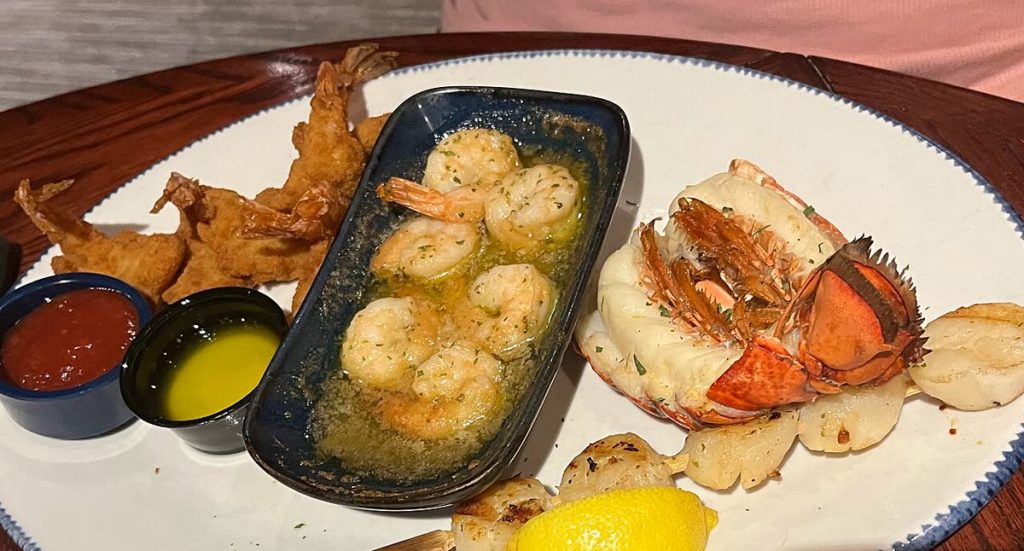
- Watch out for: Deep-fried batter, creamy sauces, butter-heavy dishes and large amounts of cheese.
- Check the label: Breaded, battered or smoked products can be higher in fat and salt.
How to build a heart-friendly seafood week
- Aim for two portions of fish per week, including one oily portion.
- Choose a mix of white fish, oily fish and shellfish for variety.
- Grill, bake or steam rather than frying.
- Pair seafood with vegetables, wholegrains and pulses.
- Use tinned fish such as sardines or tuna in water or oil as an easy, budget-friendly choice, and check the salt content.
- Keep fried seafood and rich sauces as occasional treats.
Safety notes
Certain groups, including pregnant women and children, are advised to limit some oily fish and avoid certain species such as shark, swordfish and marlin because of mercury. Raw shellfish carries a higher risk of food poisoning, and anyone who is pregnant or has a weakened immune system should follow official food safety advice. Keep seafood cold and cook it thoroughly. If you track your meals on the move with a phone, remember that data use abroad can add up; our guide on Xfinity Mobile roaming in Canada shows how to avoid surprise bills while travelling.
Portion sizes and practical examples
A typical portion of fish is roughly the size of the palm of your hand once cooked, around 140 grams in UK guidance. Here are a few easy meals that keep saturated fat low while keeping seafood in your diet.
- Grilled salmon with vegetables: Season with lemon and herbs and serve with potatoes and greens.
- Prawn stir-fry: Cook quickly with plenty of vegetables and a small amount of oil.
- Baked white fish with tomatoes and olives: A simple Mediterranean-style traybake.
- Sardines on wholegrain toast: Quick, budget-friendly and rich in omega-3.
- Mussels in a tomato or white wine broth: Cooked until the shells open, with any unopened ones discarded.
Who should be more careful
People with familial hypercholesterolaemia, existing heart disease, or who take statins may receive personal dietary advice. A GP, practice nurse or registered dietitian can look at your blood test results and diet as a whole, which matters more than any single food. Shellfish allergy is another important consideration, and anyone with a known allergy must avoid the foods concerned entirely.
Frequently asked questions
Is shrimp bad for cholesterol?
Shrimp contains dietary cholesterol but very little saturated fat. For many people, moderate amounts are fine. Follow personal medical advice if you have high cholesterol.
Which fish is best for my heart?
Oily fish such as salmon, mackerel, sardines and trout supply omega-3 fats. Variety with white fish and shellfish is also good.
Does fried fish raise cholesterol?
Frying in batter or with a lot of fat adds saturated fat, which may raise LDL cholesterol. Grilled or baked fish is generally a better choice.
Can I eat seafood if I have high cholesterol?
Often yes, and seafood is commonly part of a heart-healthy plan. Discuss your situation with a doctor or dietitian.
Is canned fish okay?
Yes. Canned sardines, salmon and mackerel are convenient and nutritious. Check the salt level, and choose fish in water or oil rather than creamy sauces.
Conclusion
So, is seafood high in cholesterol? Some shellfish contain more than white fish, but seafood is generally low in saturated fat and a good part of a balanced diet. Focus on cooking methods, portion sizes and variety, and speak to a healthcare professional if you have specific cholesterol concerns.
Key takeaways about is seafood high in cholesterol
Here is a short summary of is seafood high in cholesterol so you can find the main points quickly.
- Cholesterol is a waxy substance your liver produces and your body needs for cells and hormones.
- The NHS explains cholesterol, causes of high levels and treatment on its high cholesterol pages, which are a good starting point.
- The table gives a broad, general picture rather than exact figures, because levels vary by species, portion size and preparation.
- UK health advice suggests eating at least two portions of fish a week, one of which should be oily.
Check official sources before acting on anything related to is seafood high in cholesterol, because details can change over time.
Questions about is seafood high in cholesterol are common, so it helps to compare more than one trustworthy source.
Use this page as a starting point for is seafood high in cholesterol and come back to it when your situation changes.
Good decisions about is seafood high in cholesterol come from checking the facts, comparing your options and taking your time.
Save this guide to is seafood high in cholesterol so you can find it again whenever you need a quick reminder.
If you only remember one thing about is seafood high in cholesterol, make it the practical steps covered in this guide.
Related reading:
- How to Cut Cilantro: Simple Steps for Chopping Fresh Herbs
- What Is Form 8962 (Premium Tax Credit)? A Plain-English Guide
For general background, you can look up is seafood high in cholesterol on Wikipedia.