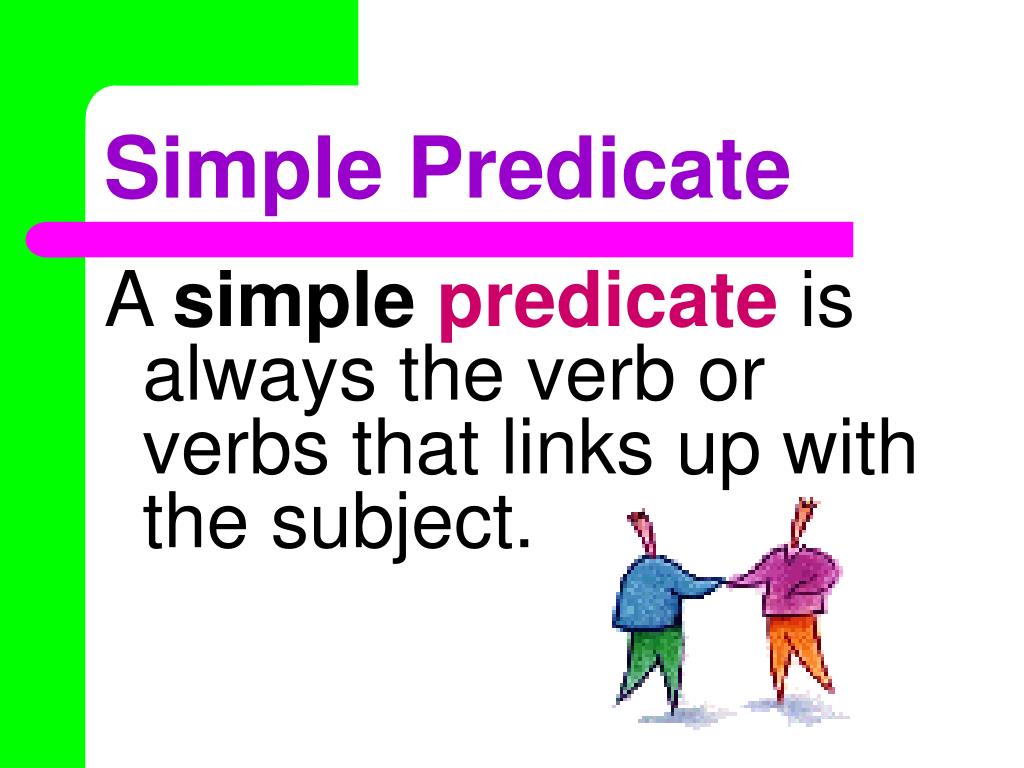
What Is A Simple Predicate

Welcome to the surprisingly fun world of grammar, where we’re about to uncover a tiny powerhouse: the simple predicate. Think of it as the engine of a sentence—the part that m...
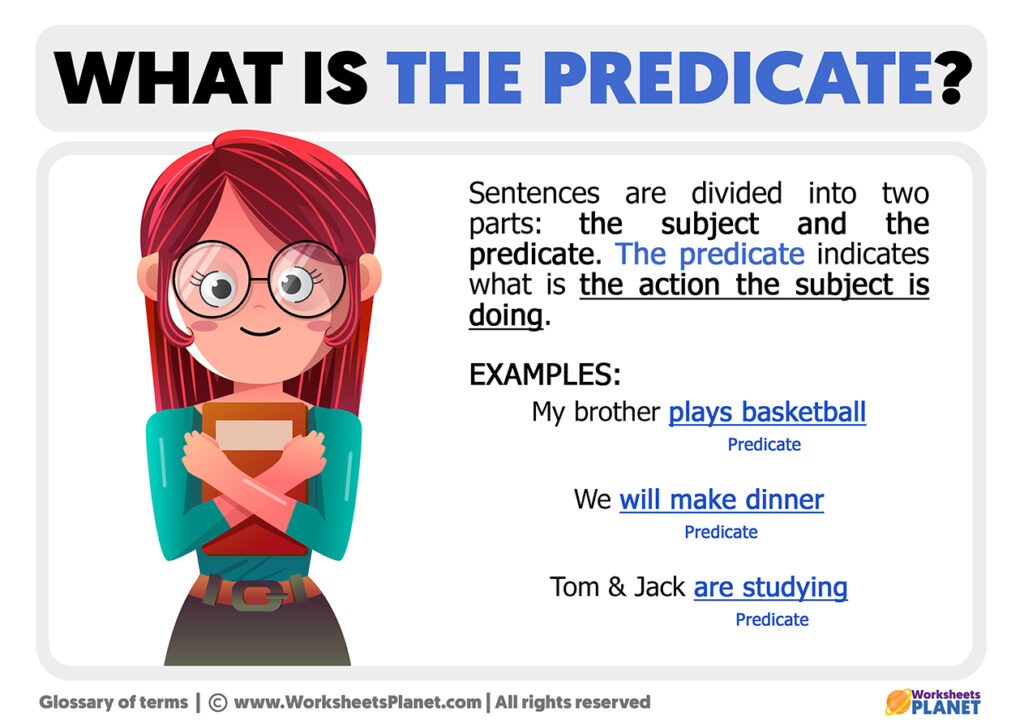
Welcome to the surprisingly fun world of grammar, where we’re about to uncover a tiny powerhouse: the simple predicate. Think of it as the engine of a sentence—the part that makes things happen. Without it, your sentences would be like a car without a motor: just a bunch of parts going nowhere. Understanding the simple predicate helps you write with more clarity and punch, and it even makes you a better reader and editor. Best of all, it’s super easy to find once you know what to look for.
The simple predicate is simply the main verb (or verb phrase) in a sentence. It tells you what the subject does or is. For example, in the sentence “The sleepy cat purred loudly,” the simple predicate is “purred.” That’s it—just one word that nails the action. The advantage? It cuts through all the descriptive fluff and reveals the core action, making your writing sharp and efficient.
Let’s play with some creative examples. Imagine writing a detective story: “The brilliant detective examined the dusty clues with a magnifying glass.” The simple predicate is “examined”—the single verb that drives the scene. Now, add a twist: “The detective had been examining the clues for hours.” Here, the simple predicate is the verb phrase “had been examining”—the main verb plus its helpers. Even in poetry, it’s your friend: “A lonely star twinkles above the silent hill.” The word “twinkles” is the simple predicate, giving the star its sparkle.
Must Read
Here’s a fun tip: to find the simple predicate, first locate the subject (the who or what), then ask, “What did the subject do?” or “What is the subject?” Example: “The three little pigs built sturdy houses of brick.” Subject: “pigs.” What did they do? They built. That’s your simple predicate. But watch out for trickier sentences like, “From the window, the storm looked absolutely terrifying.” The subject is “storm,” and the simple predicate is “looked”—a linking verb, not an action, but still the main verb!
For extra flair, remember that a simple predicate can be more than one word when it includes helping verbs. In “She might have been sleeping,” the simple predicate is the entire verb phrase “might have been sleeping.” To master this, practice on signs or text messages. Take “I love pizza”—simple predicate: love. Or “The game was canceled”—simple predicate: was canceled. It’s a quick, rewarding habit.
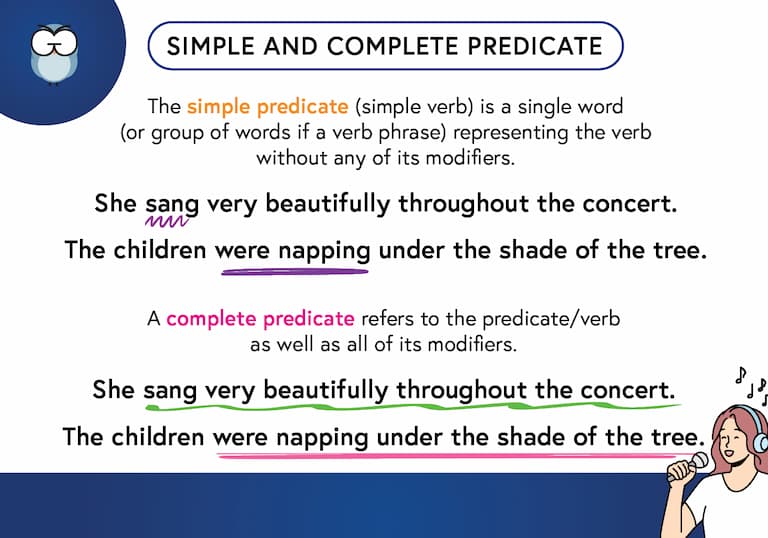 Simple And Complete Predicate Examples PPT Simple And Complete
Your practical advice: start a “Predicate Hunt” with a favorite book or article. Underline each sentence’s simple predicate. You’ll soon notice how every sentence hinges on that one verb—the engine driving the meaning. And when you write, check your own sentences: is the simple predicate clear and strong? If not, swap a weak verb like “is” for a powerful one like “explodes” or “whispers.” This small tweak makes your writing instantly more vivid and engaging.
In conclusion, the simple predicate is your grammar best friend: reliable, easy to spot, and essential for great writing. Whether you’re telling a story, sending an email, or just chatting, knowing the engine of your sentences gives you control and confidence. So go ahead—find the verb, and let your sentences roar to life!