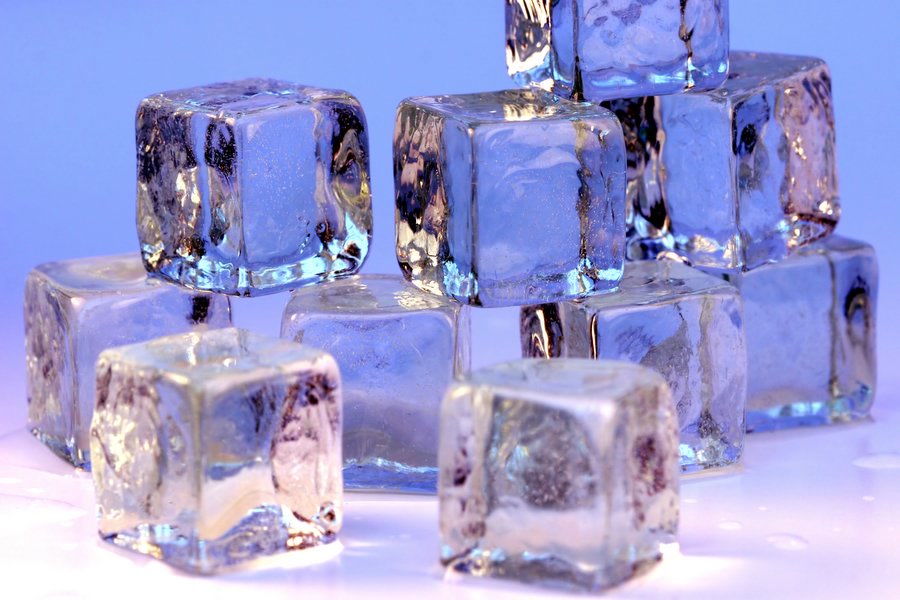
The freezing temp in Fahrenheit is 32°F, which equals 0°C. At or below that temperature, pure water turns to ice under normal air pressure. Plenty of everyday situations nudge that number up or down, so it helps to know when 32°F is the line and when it is only a rough guide.
Key takeaways
- Water freezes at 32°F (0°C) and boils at 212°F (100°C) at sea level.
- To convert: °F = °C × 1.8 + 32, and °C = (°F − 32) ÷ 1.8.
- Salty or sugary water freezes below 32°F, and roads can ice up near it.
- Food safety targets are different: freezers sit around 0°F (about −18°C) and fridges at or below 40°F (about 4°C).
Quick reference table
| Situation | Fahrenheit | Celsius |
|---|---|---|
| Water freezes | 32°F | 0°C |
| Typical freezer setting for food | 0°F | about −18°C |
| Refrigerator (food-safe upper limit) | 40°F or below | about 4°C |
| Seawater begins to freeze | about 28°F | about −2°C |
| Water boils at sea level | 212°F | 100°C |
How to convert between Fahrenheit and Celsius
To turn Celsius into Fahrenheit, multiply by 1.8 and add 32. Zero degrees Celsius becomes (0 × 1.8) + 32 = 32°F. To go the other way, subtract 32 and divide by 1.8, so 32°F becomes (32 − 32) ÷ 1.8 = 0°C.
- Write the starting number and the scale it is in.
- For °C to °F: multiply by 1.8, then add 32.
- For °F to °C: subtract 32, then divide by 1.8.
- Round sensibly: whole degrees are fine for weather, one decimal for cooking or science.
A quick mental shortcut
For rough weather work, double the Celsius value and add 30. It gives 10°C as 50°F (exact is 50) and 20°C as 70°F (exact is 68). It drifts at the extremes, so use the proper formula when it matters.
Why freezing is 32 and not 0
The Fahrenheit scale was proposed in the early 1700s by Daniel Gabriel Fahrenheit. His zero point was based on the temperature of a particular mixture of ice, water and salt, and the scale was then fixed so that water’s freezing and boiling points ended up at 32 and 212. Celsius, by contrast, sets those two points at 0 and 100, a tidier choice for science. That is why 32°F looks odd. If you are curious about the scales’ histories, the Wikipedia page on Fahrenheit gives an overview.
When water does not freeze at 32°F
- Salt water. Seawater freezes at around 28°F because dissolved salt lowers the freezing point. This is why gritters spread salt on winter roads.
- Sugary or alcoholic liquids. Soft drinks, wine and spirits freeze at lower temperatures, depending on the concentration. Strong spirits can stay liquid in a normal home freezer.
- Moving water. A flowing stream may take longer to freeze than a still pond because of the constant movement and mixing.
- Supercooled water. Very clean water can stay liquid slightly below 32°F until something disturbs it.
- Pressure. The 32°F figure assumes normal atmospheric pressure.
What 32°F means in daily life
Weather and driving
When the air temperature falls to around 32°F, frost, black ice and slippery pavements become a risk, particularly overnight and on bridges and shaded roads. Ice can form even when the forecast reads a degree or two above freezing, because road surfaces can be colder than the air. Slow down, leave more stopping distance and watch for glossy patches.
Pipes and plants
Water expands when it freezes, which can split pipes. If a hard frost is forecast, insulate exposed pipes and outside taps and let a slight drip run if advised locally. Tender garden plants may need covering or bringing indoors when the temperature approaches freezing.
Food and drink
Food safety guidance centres on keeping chilled food cold enough and frozen food frozen. A freezer at about 0°F (−18°C) keeps food safely frozen over time. A fridge at or below 40°F (4°C) slows bacterial growth. If you are working with other temperature thresholds in the kitchen, see our notes on the normal temperature inside a fridge and the safe reheating temperature for chicken. For official food safety advice, the US agency at fsis.usda.gov is a reliable source.
Useful temperature benchmarks near freezing
| °F | °C | What it means |
|---|---|---|
| 50°F | 10°C | Cool; light coat weather |
| 40°F | about 4.4°C | Fridge limit; cold day |
| 32°F | 0°C | Water freezes; frost possible |
| 23°F | −5°C | Hard frost |
| 14°F | −10°C | Very cold; ice on exposed surfaces |
| 0°F | about −17.8°C | Typical freezer setting |
Practical examples of working with freezing temperatures
Knowing the number is useful, but it helps to see it in action. Suppose a weather app reports 1°C overnight. Convert it: 1 × 1.8 + 32 = 33.8°F, which is only just above freezing, so frost on the car is likely after a clear night. Now imagine your freezer reads 10°F. That is about −12°C, warmer than the recommended −18°C, so food may not stay frozen safely and you should check the thermostat. Likewise, a forecast of 28°F is about −2°C, cold enough for a hard frost and for exposed pipes to need protection. Being able to move quickly between the scales means you can read American recipes, UK weather forecasts and appliance manuals without confusion.
Ice and the body
Remember that 32°F is also an important number for personal safety. Skin can be damaged by prolonged exposure to freezing temperatures, especially with wind. Dress in layers, cover fingers, ears and toes, and avoid walking on frozen ponds or lakes unless authorities have confirmed the ice is safe. Ice thickness and conditions vary, and temperature alone does not tell you whether it will hold.
Teaching the idea to children
A simple experiment makes the concept stick. Put a thermometer in a cup of water, then place the cup in the freezer and check it every few minutes. Children can see the temperature drop to freezing before ice forms. Adding salt to a second cup demonstrates why it freezes later. It is a quick, safe way to turn a number into something visible, and the conversion formula can follow once they have seen the effect.
Frequently asked questions
What is the freezing point of water in Fahrenheit?
32°F, equal to 0°C, at normal atmospheric pressure.
Why does ice form when the thermometer shows above 32°F?
Surfaces such as roads and rooftops can be colder than the air temperature, and clear nights cool the ground quickly, so ice can form even when the forecast is slightly above freezing.
Does salt water freeze at 32°F?
No. Seawater typically begins to freeze around 28°F because the salt lowers the freezing point.
What temperature should a freezer be?
Commonly 0°F (about −18°C) for food storage. Check your appliance manual for its recommended setting.
How do I convert 32°F to Celsius?
Subtract 32 and divide by 1.8: (32 − 32) ÷ 1.8 = 0°C.
Conclusion
Thirty-two degrees Fahrenheit is the line where pure water becomes ice. Remember the conversion formula, keep in mind that salt and sugar lower the freezing point, and treat anything near 32°F as a warning for roads, pipes and plants.
Key takeaways about freezing temp in fahrenheit
Here is a short summary of freezing temp in fahrenheit so you can find the main points quickly.
- The freezing temp in Fahrenheit is 32°F, which equals 0°C.
- To turn Celsius into Fahrenheit, multiply by 1.8 and add 32.
- For rough weather work, double the Celsius value and add 30.
- The Fahrenheit scale was proposed in the early 1700s by Daniel Gabriel Fahrenheit.
If you only remember one thing about freezing temp in fahrenheit, make it the practical steps covered in this guide.
Check official sources before acting on anything related to freezing temp in fahrenheit, because details can change over time.
Questions about freezing temp in fahrenheit are common, so it helps to compare more than one trustworthy source.
Use this page as a starting point for freezing temp in fahrenheit and come back to it when your situation changes.
Good decisions about freezing temp in fahrenheit come from checking the facts, comparing your options and taking your time.
Save this guide to freezing temp in fahrenheit so you can find it again whenever you need a quick reminder.
Related reading:
- Arrest.com Mugshots: How Mugshot Sites Work
- How Much Does Veterans Guardian Cost? Fees and Free Alternatives
For general background, you can look up freezing temp in fahrenheit on Wikipedia.