When Do Men Start Balding

Understanding the timeline of male hair loss is something many men find both practical and empowering. The ability to anticipate when balding might begin allows for proactive...
Understanding the timeline of male hair loss is something many men find both practical and empowering. The ability to anticipate when balding might begin allows for proactive choices, transforming a potential source of anxiety into a manageable aspect of personal grooming. For everyday life, this knowledge reduces uncertainty and helps men plan hairstyles, treatments, or simply embrace their natural appearance with confidence. It’s not about fearing the process, but about owning the journey with clarity.
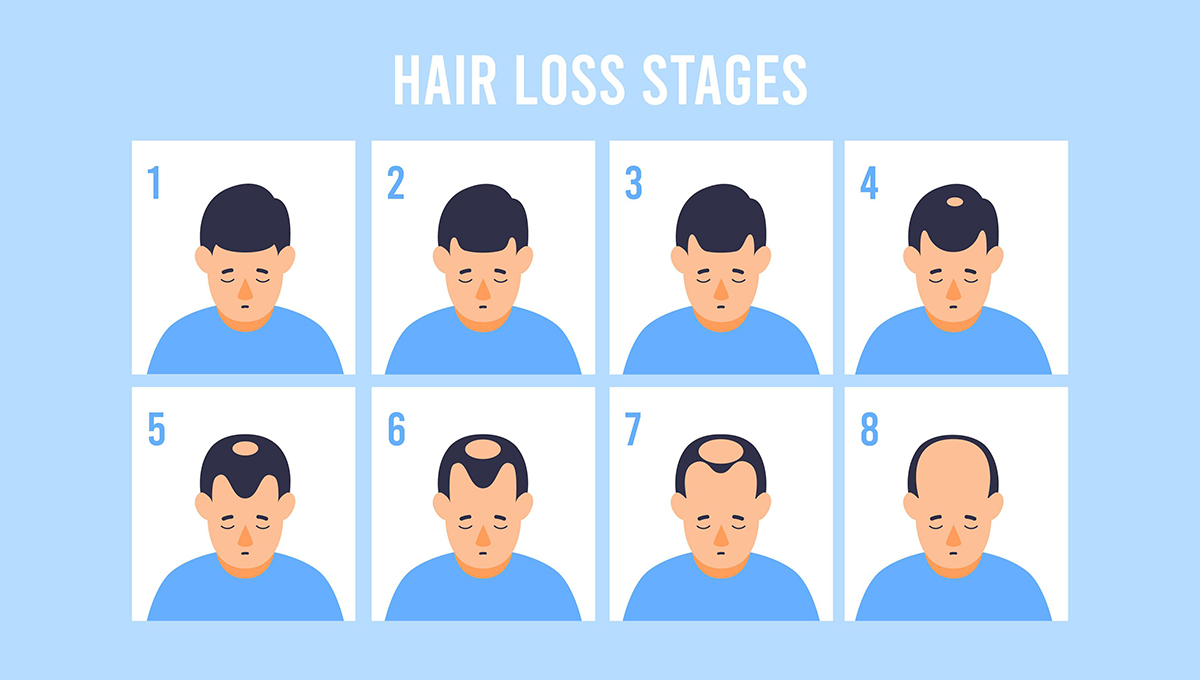
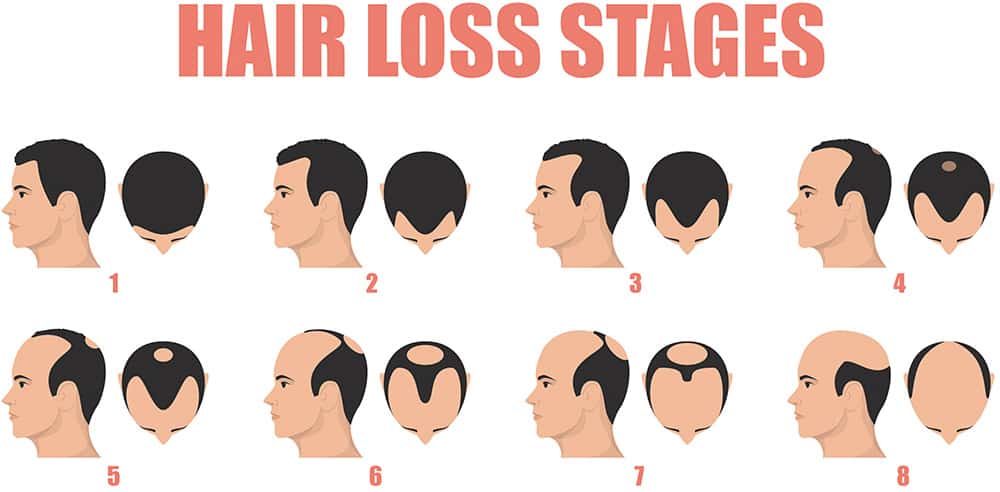
The most common form of hair loss, androgenetic alopecia (male pattern baldness), typically follows a predictable timeline. For the majority of men, the first noticeable signs—such as a receding hairline or thinning at the crown—appear between the ages of 20 and 30. However, the process can begin as early as late adolescence. A classic scenario: a man in his early twenties notices his hairline creeping back at the temples, forming an “M” shape. This is often the first, non-alarming signal that the genetic clock is ticking.
Why does this happen? The key driver is a hormone called dihydrotestosterone (DHT), a derivative of testosterone. In men genetically predisposed to balding, DHT binds to hair follicle receptors and gradually shrinks them. This shortens the hair’s growth cycle until follicles stop producing visible hair entirely. It’s a gradual, not sudden, process—which is both a curse and a benefit. The gradual nature gives men a window of years to explore solutions before the change becomes dramatic.
Age is the strongest predictor, but genetics play the decisive role. If your father or grandfather experienced significant hair loss in their twenties, you have a higher probability of starting early. Yet exceptions are common. Some men retain a full head of hair into their sixties, while others begin thinning at 18. A useful scenario: two brothers with the same parents can have vastly different balding timelines due to variations in gene expression, proving that family history is a guide, not a guarantee.
The practical benefit of knowing this timeline is early intervention. If you spot a receding hairline or excessive shedding in your late teens or early twenties, you have the best chance to slow the process. Treatments like minoxidil (applied topically) or finasteride (an oral medication) are most effective when started early, before follicles miniaturize completely. For those who prefer a natural approach, maintaining a healthy scalp with a balanced diet and reducing stress can support hair health, though they won’t halt genetic balding entirely.
 Youngest Male Pattern Baldness
To explore your own timeline, start with a simple self-assessment. Examine your family photos—look at male relatives on both your mother’s and father’s side. Next, check for pattern signs: a widening part, more hair in your comb or shower drain, or a thinner crown. Finally, consider a consultation with a dermatologist who can examine your scalp with a device called a dermoscope. They can confirm if the thinning is pattern-related or caused by temporary factors like stress or diet.
Ultimately, when men start balding is less a fixed number and more a personal variable. The value lies not in dreading the date, but in recognizing it as a natural, manageable aspect of aging. Whether you choose treatments, embrace a shaved look, or simply accept the change, knowledge gives you control. By understanding the process early, you transform hair loss from a surprise into a choice—and that choice is what truly matters in everyday confidence.