Is tuna fattening? On its own, no. Canned tuna is a lean, high-protein food, and tuna in water has very few calories for the amount of protein it gives you. What can make a tuna meal fattening is what goes with it, such as oil, mayonnaise, cheese or large portions of bread and pasta.
Key takeaways
- Tuna in water or brine is low in fat and calories and high in protein.
- Tuna in oil is higher in calories, though the oil can be drained.
- Mayonnaise and fatty extras add most of the calories in tuna salads and melts.
- Limit tuna in line with official advice because of mercury, especially in pregnancy.
Is tuna fattening? What the nutrition says
Weight gain comes from eating more energy than you use, not from a single food. Canned tuna tends to help with fullness because it is rich in protein, and protein is more filling per calorie than many other foods. The type of tuna and how you prepare it matter most.
| Type | Fat and calories | Comment |
|---|---|---|
| Tuna in water or brine | Low fat, lower calories | Good for weight management |
| Tuna in spring water | Similar to above | Mild flavour |
| Tuna in olive or sunflower oil | Higher fat and calories | Drain to reduce |
| Tuna steak (fresh) | Lean, protein-rich | Cooking method matters |
| Tuna mayo or sandwich filling | Higher calories | Depends on the mayonnaise |
Calorie counts vary by brand and style, so check the nutrition panel on the can. As a rough guide, tuna in water is much lower in energy than the same weight of oil-packed tuna, and a drained portion gives plenty of protein with little fat. See the general overview in the Wikipedia article on tuna.
What makes a tuna meal heavy?
The fish is rarely the issue. Look at the extras.
- Mayonnaise: a few spoonfuls add many calories. Try half mayo and half natural yoghurt, or use a little olive oil and lemon.
- Cheese melts: tuna melts combine cheese, bread and often butter.
- Oil-based dressings: useful for flavour but easy to over-pour.
- Large bread or pasta portions: measure carbohydrates if you are watching weight.
- Fried versions: tuna fishcakes or fried patties add oil.
How to eat tuna in a lighter way
- Choose tuna in spring water or brine most of the time.
- Drain it well, especially if packed in oil.
- Mix with plenty of vegetables such as cucumber, sweetcorn, peppers and salad leaves.
- Use lemon juice, yoghurt, mustard or a small amount of olive oil as a dressing.
- Serve on wholegrain bread, jacket potato or a salad base.
- Watch portion sizes and add beans or chickpeas for bulk.
Is canned tuna healthy?
Yes, as part of a varied diet. Tuna provides protein, B vitamins, selenium and iodine. Canned tuna, however, is generally not counted as an oily fish, because the canning process reduces its omega-3 content compared with fresh tuna. If you want oily fish, include options such as salmon, mackerel or sardines. For a related guide to healthy foods, see our pages on fibre in guacamole and whether pearled barley is healthy.
Mercury and how much tuna to eat
Tuna can contain mercury, a metal that builds up in larger fish. Official advice in the UK, from the NHS, is that pregnant women and those trying to conceive should limit tuna, with a maximum of around four medium cans or two fresh tuna steaks per week, and some people may be advised to eat even less. For everyone else, eating tuna a few times a week is generally considered fine, but check the current advice on the NHS website and, if you are pregnant, speak to your midwife or doctor. Children may also have different recommended limits.
Tuna and weight loss
Because it is protein-rich and filling, tuna can be a helpful part of a weight-loss plan. It works best when you pair it with vegetables and whole grains, rather than rich sauces. Remember that no single food guarantees weight loss or gain. If you have a medical condition, or you are trying to change your weight significantly, talk to a doctor or registered dietitian.
Simple meal ideas
- Tuna and sweetcorn on a jacket potato with a spoonful of yoghurt.
- Tuna, white bean and tomato salad.
- Tuna and cucumber wrapped in a lettuce leaf or a wrap.
- Tuna pasta bake with extra vegetables and a light sauce.
- Tuna on rice cakes with avocado.
Reading labels on canned tuna
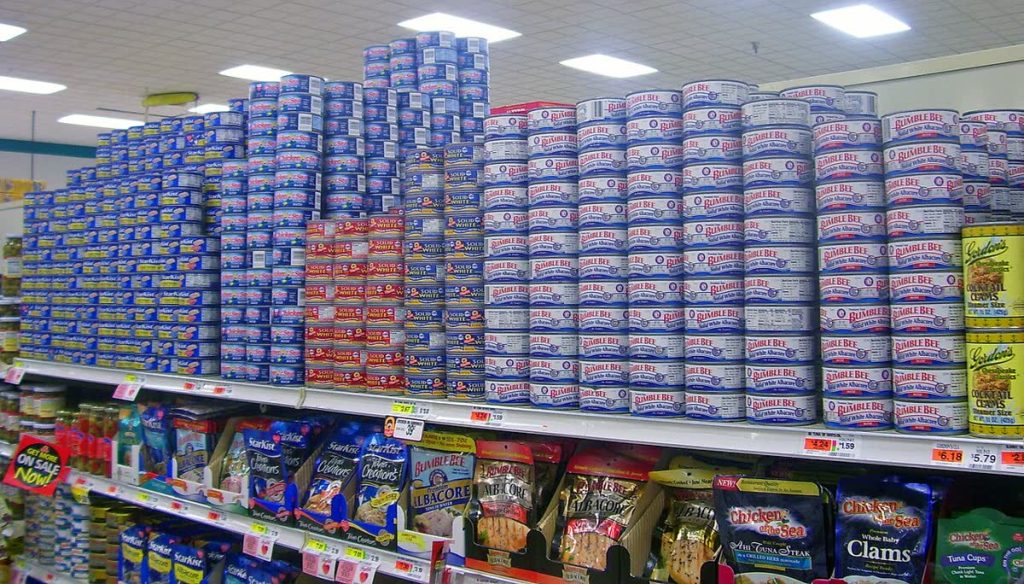
Labels help you pick the lighter option. Look at the packing liquid, which might be spring water, brine, sunflower oil or olive oil, and at the drained weight, which tells you how much fish you actually get. Check the salt content too: tuna in brine can be salty, and people watching blood pressure may prefer lower-salt versions. Pole-and-line or sustainably certified options are available if you care about how the fish was caught, and the label usually says so.
Fresh tuna versus canned
Fresh tuna steaks are rich in protein and can be seared or grilled with little added fat. They tend to cost more than canned tuna, and official advice on mercury applies to both. Canned light tuna generally contains less mercury than larger tuna species, so the type on the label matters. Whichever you choose, vary your protein through the week with eggs, pulses, poultry and other fish.
A balanced plate
Aim for a plate where tuna provides the protein, vegetables take up half, and a modest portion of carbohydrates makes up the rest. That structure keeps calories in check while still giving a satisfying meal.
Frequently asked questions
Is tuna fattening if I eat it every day?
Tuna itself is not fattening, but daily eating can raise mercury intake. Follow official advice and vary your fish.
Is tuna in oil fattening?
It has more calories than tuna in water, but draining it helps. Choose water or brine for a lighter option.
Is tuna mayo fattening?
It can be, because mayonnaise is high in fat. Use less, or swap in yoghurt.
Is tuna good for weight loss?
It is high in protein and low in calories when canned in water, which can help you feel full.
How much tuna is safe to eat?
For most adults, a few servings per week is fine. Pregnant women and young children have lower limits, so check the NHS guidance.
Conclusion
So, is tuna fattening? Not by itself. Choose tuna in water, keep an eye on the extras, enjoy it as part of a varied diet and follow the official advice on mercury. If you have particular health needs, ask a professional.
Key takeaways about is tuna fattening
Here is a short summary of is tuna fattening so you can find the main points quickly.
- Weight gain comes from eating more energy than you use, not from a single food.
- Calorie counts vary by brand and style, so check the nutrition panel on the can.
- Tuna can contain mercury, a metal that builds up in larger fish.
- Because it is protein-rich and filling, tuna can be a helpful part of a weight-loss plan.
Use this page as a starting point for is tuna fattening and come back to it when your situation changes.
Good decisions about is tuna fattening come from checking the facts, comparing your options and taking your time.
Save this guide to is tuna fattening so you can find it again whenever you need a quick reminder.
Related reading:
- Hickory Record Obits: How to Find Obituaries in Hickory
- Are Klondike Bars Smaller? What to Check on the Label
For general background, you can look up is tuna fattening on Wikipedia.