Lychee skin benefits come mainly from the fruit’s vitamin C and antioxidant plant compounds, which can support healthy skin as part of a balanced diet. However, there is limited high-quality evidence that eating or applying lychee produces dramatic results, so treat it as a pleasant extra rather than a treatment for acne, ageing or any skin condition.
Key takeaways
- Lychee contains water, vitamin C, fibre and polyphenols, all of which fit a skin-friendly diet.
- Evidence for specific lychee skin benefits in people is limited; most findings come from lab studies.
- Sun protection, sleep, and a varied diet matter far more than any single fruit.
- Patch test any lychee-based skincare product, and speak to a pharmacist or doctor about skin problems.
What is in a lychee?
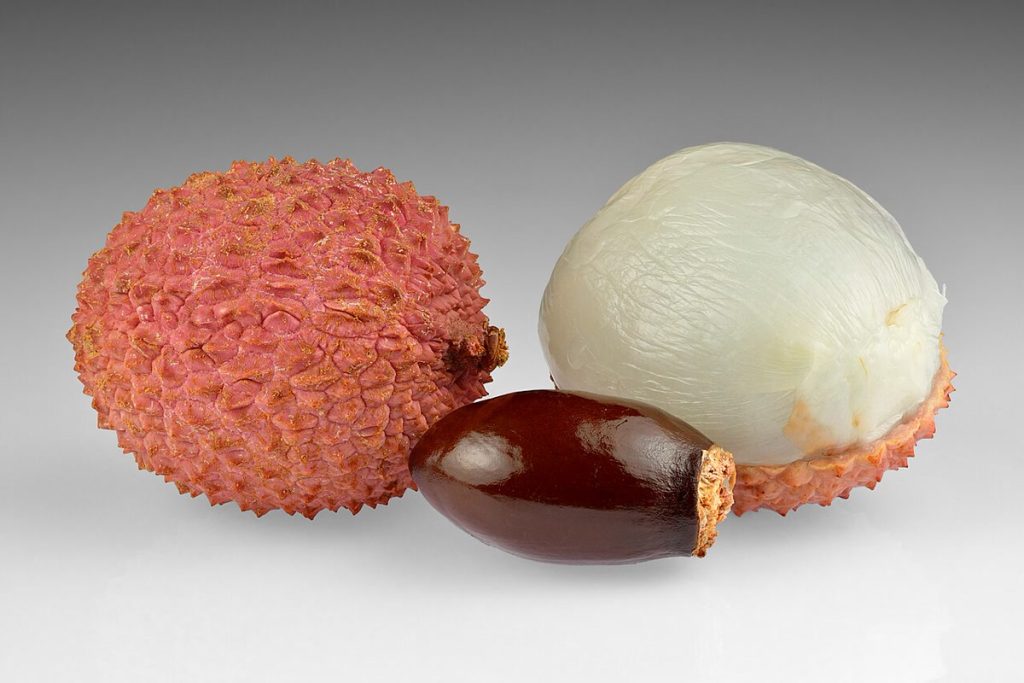
Fresh lychee is a small tropical fruit with a rough pink-red shell and a juicy, translucent white flesh around a large dark seed. Most of the flesh is water, with natural sugars, some fibre, and vitamins and minerals in modest amounts. It is a source of vitamin C, and it also contains polyphenols, plant compounds that act as antioxidants in laboratory tests.
These nutrients are why lychee often appears in lists of fruits for glowing skin. The reality is more modest, and it is worth separating what the nutrients do from what marketing sometimes claims.
How vitamin C supports skin
Your body needs vitamin C to make collagen, the protein that gives skin its structure and helps wounds heal. Vitamin C also works as an antioxidant, helping to neutralise unstable molecules called free radicals produced by sunlight, pollution and normal metabolism.
If your diet is low in vitamin C, your skin and gums can suffer. If your diet already includes plenty of fruit and vegetables, adding lychee will not suddenly transform your skin. It simply contributes to your overall intake, alongside oranges, kiwi, peppers, strawberries and broccoli.
Lychee skin benefits: what the evidence says
Here is a fair summary of what we can and cannot say.
| Claim | What we can say |
|---|---|
| Lychee brightens skin | No strong human evidence; vitamin C in the diet supports normal skin function |
| Lychee slows ageing | Antioxidants help in lab studies; no proof eating lychee reduces wrinkles |
| Lychee hydrates skin | The fruit is mostly water, so it contributes to hydration like other juicy fruit |
| Lychee clears acne | No reliable evidence |
| Lychee extract in skincare | Some products use it; results vary and independent evidence is limited |
The honest answer is that lychee fits into a healthy pattern of eating, but nobody should expect it to replace proper skincare or medical treatment.
Eating lychee versus using it on your skin
Eating the fruit delivers nutrients through your digestive system, which is the usual route for vitamins. Applying mashed fruit to the face is a common home remedy, but it has not been shown to help, and fresh fruit juice can irritate sensitive skin or cause an allergic reaction. If you want topical vitamin C, products formulated for skin are more predictable, and still need a patch test.
Simple ways to enjoy lychee
- Eat it fresh, peeled and with the seed removed.
- Add it to fruit salads with mango, melon and berries.
- Blend it into a smoothie with yoghurt and ice.
- Serve it chilled alongside a light dessert.
- Choose tinned lychee in juice rather than heavy syrup if you can.
Lychee is sweet, so portion size matters if you are watching sugar. A small handful is a sensible serving alongside other fruit.
Safety notes and who should be careful
Most people can eat lychee safely, but a few points are worth knowing.
- Never eat the seed or skin; only the flesh is edible.
- If you have a fruit or latex allergy, introduce lychee carefully.
- People with diabetes should consider the sugar content and check portions with their care team.
- Public health bodies in some countries have warned that eating large amounts of unripe lychee on an empty stomach can be harmful, especially for undernourished children. Eat ripe fruit as part of a normal meal pattern.
If you have a rash, persistent acne, itching or a changing mole, see a pharmacist or doctor. Diet is not a replacement for medical advice, and the NHS website has reliable guidance on common skin conditions.
What really helps your skin
If you want visible improvements, the basics beat any single fruit.
- Use sunscreen every day, as UV light is the biggest cause of premature skin ageing.
- Cleanse gently and moisturise to suit your skin type.
- Eat a varied diet with plenty of fruit, vegetables, protein and healthy fats.
- Drink enough fluids and limit alcohol.
- Sleep well and manage stress where you can.
- Do not smoke.
Lychee can sit comfortably in that routine, as can other foods that are rich in nutrients. If you are curious about how other traditional foods stack up, our guide to the nutrition and cautions of eating tripe takes the same balanced approach.
How to choose and store lychee
Look for fruit with a bright, evenly coloured shell that feels heavy for its size. Avoid any that smell fermented or look dried out. Fresh lychee keeps best in the fridge, in a loosely closed bag or container, and is best eaten within a few days. Shells may darken to brown in the fridge, which is cosmetic, but throw away fruit that is mouldy or has a sour smell.
Frequently asked questions
Does eating lychee make your skin glow?
It can contribute vitamin C and water to your diet, which supports healthy skin, but there is no proof that lychee alone gives a visible glow.
Can I put lychee on my face?
Home remedies are not proven, and fresh fruit may irritate sensitive skin. If you want to try a lychee-based skincare product, do a patch test on a small area first.
How much lychee is OK to eat?
A small handful as part of a varied diet is reasonable for most people. Because lychee contains natural sugars, avoid eating very large amounts.
Is tinned lychee as good as fresh?
Tinned lychee still offers some nutrients, but it often sits in sugary syrup and loses some vitamin C. Fresh or lychee in juice is a better choice.
Is lychee good for acne?
There is no reliable evidence that lychee treats acne. For persistent or painful breakouts, talk to a pharmacist or GP about proven treatments.
Conclusion
Lychee is a tasty, hydrating fruit with vitamin C and antioxidants that fit a healthy diet, but its skin benefits are modest and not well proven. Enjoy it for what it is, protect your skin from the sun, keep your overall diet varied, and see a health professional for any skin concern that worries you.
Key takeaways about lychee skin benefits
Here is a short summary of lychee skin benefits so you can find the main points quickly.
- Lychee skin benefits come mainly from the fruit's vitamin C and antioxidant plant compounds, which can support healthy skin as part of a balanced diet.
- Fresh lychee is a small tropical fruit with a rough pink-red shell and a juicy, translucent white flesh around a large dark seed.
- These nutrients are why lychee often appears in lists of fruits for glowing skin.
- Your body needs vitamin C to make collagen, the protein that gives skin its structure and helps wounds heal.
Use this page as a starting point for lychee skin benefits and come back to it when your situation changes.
Good decisions about lychee skin benefits come from checking the facts, comparing your options and taking your time.
Save this guide to lychee skin benefits so you can find it again whenever you need a quick reminder.
If you only remember one thing about lychee skin benefits, make it the practical steps covered in this guide.
Related reading:
- Lower Back Left Side Organs: What Lies Behind the Left Side of Your Back
- Xfinity Mobile Canada Roaming: What to Know Before You Travel
For general background, you can look up lychee skin benefits on Wikipedia.