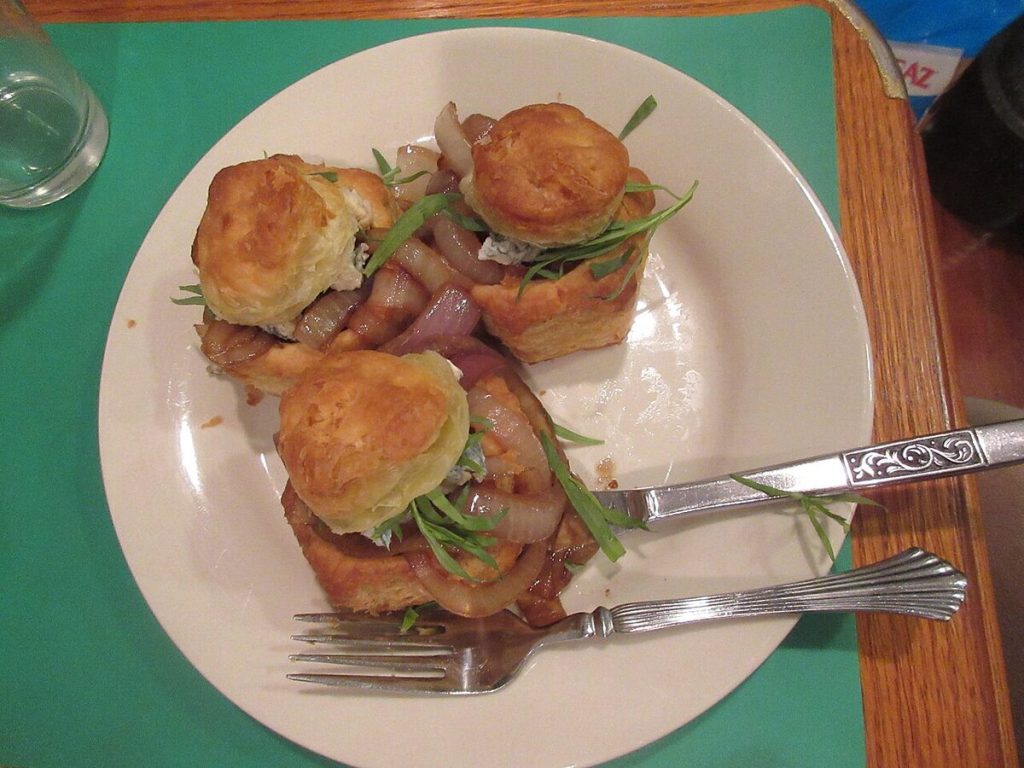
Caramelized onions carbs are modest in a normal serving but more concentrated than raw onions, because slow cooking removes water and shrinks the onions. As a rough guide, a medium raw onion has around 10 to 11 grams of carbohydrate, and cooking it down into jammy caramelized onions packs that into a much smaller volume, often with some added sugar if the recipe uses it. A tablespoon or two on a burger adds only a few grams of carbs, but a heaped half cup can add a good deal more.
Key takeaways
- Onions naturally contain sugars and fibre, and caramelizing them concentrates those sugars as the water cooks away.
- A small topping portion of caramelized onions typically contributes only a few grams of carbohydrate, but large portions add up.
- Added sugar, honey, balsamic vinegar or wine in a recipe increase the carb count.
- For low-carb eating, weigh your portion, skip added sugar and check the label on any ready-made jar.
How many caramelized onions carbs are there?
Exact numbers depend on the onion variety, the amount of oil, how long you cook them and whether sugar is added, so treat these figures as estimates rather than precise values. Raw onions are around 88 to 90 percent water. A typical raw medium onion of about 110 to 150 grams contains roughly 10 to 14 grams of total carbohydrate, with 2 or so grams of fibre, which leaves around 8 to 11 grams of net carbs.
When you cook onions for 30 to 45 minutes, they lose a lot of that water. The carbohydrate does not vanish, so a cup of raw chopped onions might cook down to a quarter of a cup or so of caramelized onions. That is why a spoonful of the cooked version contains more carbs than a spoonful of raw onion, even though the total in the pan has not changed.
| Portion | Approximate carbs | Notes |
|---|---|---|
| — | — | — |
| 1 medium raw onion | About 10 to 14 g | Includes some fibre |
| 1 tablespoon caramelized onions | About 2 to 4 g | Depends on added sugar |
| 1/4 cup caramelized onions | About 7 to 12 g | A generous topping |
| 1/2 cup caramelized onions | About 14 to 25 g | Can double with added sugar |
These are estimates for illustration. For accurate numbers, use the nutrition label on packaged products or a nutrition database and weigh your portion.
Why the carb count feels higher
Three things shape the numbers.
- **Water loss**: concentrated onions mean more carbs per spoonful, though not more in the total batch.
- **Natural sugars**: onions contain fructose, glucose and sucrose, which become sweeter and more noticeable as they brown.
- **Added ingredients**: some recipes add a teaspoon of sugar, a splash of balsamic vinegar, wine, honey or maple syrup to speed up browning or deepen the flavour. Each can add a few more grams of carbohydrate.
Caramelization itself is the browning of sugars with heat. It does not create new carbohydrates, but it changes flavour and colour, producing the rich, nutty sweetness we love.
How to make caramelized onions with fewer carbs
You can get plenty of flavour without sugar. Natural sugars in the onions are enough when you are patient.
- Slice 3 to 4 large onions evenly, about 3 mm thick, so they cook at the same rate.
- Heat 1 to 2 tablespoons of butter or oil in a wide, heavy pan over medium-low heat.
- Add the onions with a pinch of salt, which helps draw out water.
- Cook slowly, stirring every few minutes, for 35 to 50 minutes until deeply golden brown.
- If the pan dries out or sticks, add a splash of water and scrape up the brown bits.
- Finish with a small splash of vinegar or a squeeze of lemon if you want some sharpness. Skip the sugar.
Use sweet onions or yellow onions. Yellow onions give a classic, balanced flavour. Red onions work too, though they turn a darker colour.
Low-carb and keto tips
- Weigh your cooked onions and log the quantity, rather than guessing.
- Use caramelized onions as a flavour accent, a tablespoon on a steak, a burger without a bun, an omelette or a salad.
- Combine with high-fat, low-carb foods such as cheese, mushrooms and greens.
- Avoid pre-made onion jams and relishes, which are usually high in sugar.
- If you have diabetes, discuss portion sizes with your doctor, dietitian or diabetes nurse, because individual responses to carbohydrates vary.
For general nutrition advice, the NHS Eat Well pages are a helpful reference.
Storage and reheating
Caramelized onions keep well. Cool them quickly, then store in an airtight container in the fridge for up to about four to five days. You can also freeze portions in an ice cube tray or small bags for up to a few months. Reheat thoroughly in a pan or microwave until hot. They are an excellent make-ahead ingredient for soups, quiches, sandwiches and pizzas.
Ways to use them
- Topping for burgers and hot dogs.
- Stirred into scrambled eggs or a frittata.
- On top of a baked chicken breast or steak.
- Spooned onto a pizza or flatbread.
- In soup, such as classic French onion soup.
- Mixed into mashed cauliflower for a lower-carb side.
If you like keeping an eye on hidden carbs and fibre in other foods, see our guides on whether guacamole has fibre, whether gin has carbs and whether pearled barley is healthy. If you want to know how long fresh produce keeps, our post on how long mushrooms last in the fridge is a good companion.
Frequently asked questions
Are caramelized onions keto friendly?
In small amounts, yes. A tablespoon or two fits many low-carb plans, but larger portions add up quickly.
Do caramelized onions have more carbs than raw?
Per spoonful, yes, because water has evaporated. The total carbs in the pan stay about the same unless you add sugar.
How many caramelized onions carbs are in a tablespoon?
Roughly 2 to 4 grams, depending on the recipe and added sugar. Check labels or weigh a portion for an accurate number.
Do I need sugar to caramelize onions?
No. Onions have enough natural sugar. Cook them slowly over low heat and add a splash of water when needed.
Can people with diabetes eat caramelized onions?
Often in moderation, but individual needs differ. Speak to a healthcare professional or dietitian for personal advice.
Conclusion
Caramelized onions carbs are manageable once you understand that cooking concentrates, rather than creates, the sugars. Make them without added sugar, measure a sensible portion and enjoy that deep, sweet flavour in dishes where a little goes a long way.
Key takeaways about caramelized onions carbs
Here is a short summary of caramelized onions carbs so you can find the main points quickly.
- Caramelized onions carbs are modest in a normal serving but more concentrated than raw onions, because slow cooking removes water and shrinks the onions.
- Exact numbers depend on the onion variety, the amount of oil, how long you cook them and whether sugar is added, so treat these figures as estimates rather than precise values.
- When you cook onions for 30 to 45 minutes, they lose a lot of that water.
- Caramelization itself is the browning of sugars with heat.
Save this guide to caramelized onions carbs so you can find it again whenever you need a quick reminder.
If you only remember one thing about caramelized onions carbs, make it the practical steps covered in this guide.
Related reading:
- Guacamole Fiber Content: How Much Fibre Is in Guac?
- C2H4 Lewis Structure Resonance: Why Ethene Has None
For general background, you can look up caramelized onions carbs on Wikipedia.