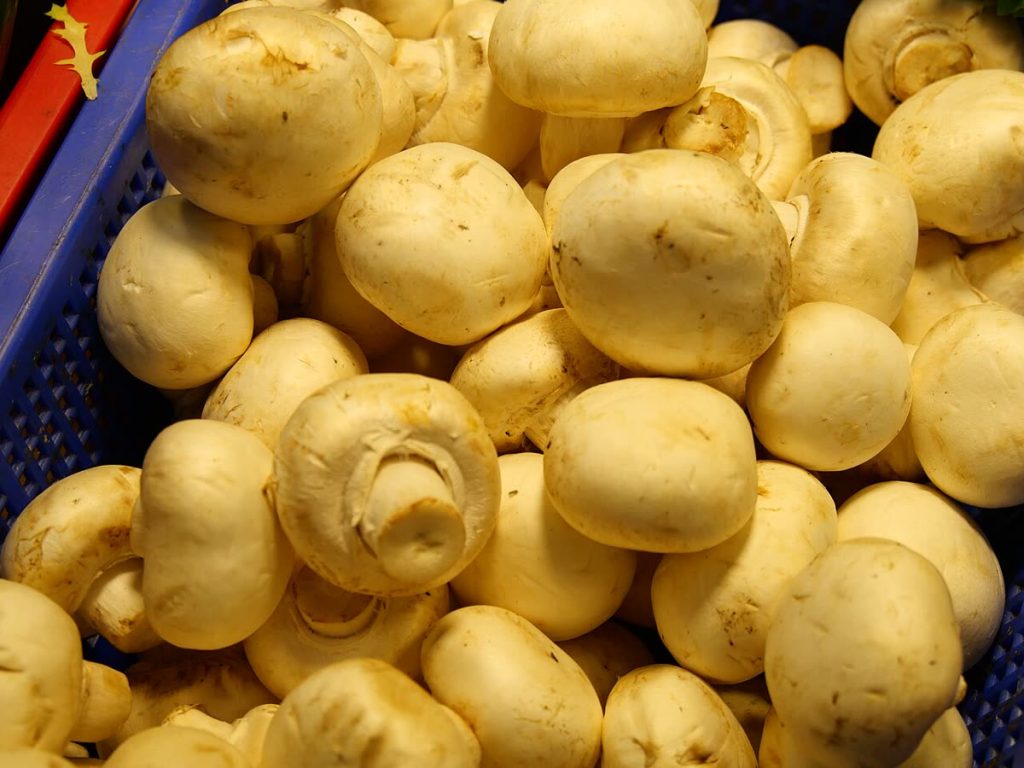
How long do mushrooms last in the fridge? Fresh whole mushrooms usually keep for about five to seven days when stored well, sliced ones for three to five days, and cooked mushrooms for three to four days. Those are rules of thumb, not guarantees, so your eyes and nose always have the final say.
Key takeaways
- Whole, unwashed mushrooms last about a week in the fridge; sliced ones a few days.
- Cooked mushrooms should be eaten within three to four days.
- Store them in a paper bag or a loosely covered container, not sealed in plastic.
- Slimy texture, dark wet patches or a sour smell mean throw them out.
How long do mushrooms last in the fridge?
Mushrooms are mostly water, which makes them delicate. They keep best when cold, dry and able to breathe. Here is a practical guide.
| Mushroom state | Fridge life (approx.) | Notes |
|---|---|---|
| Whole, unwashed, in a paper bag | 5 to 7 days | Sometimes a few days longer if very fresh |
| Pre-packed, unopened | Check the date on the pack | Follow the use-by date |
| Sliced or chopped raw | 3 to 5 days | Use quickly; cut surfaces spoil faster |
| Cooked, in a covered container | 3 to 4 days | Cool first, then refrigerate within two hours |
| Dried (not refrigerated) | Many months | Keep sealed in a cool, dry cupboard |
Varieties differ a little. Button, chestnut and portobello mushrooms follow similar timings, while delicate types such as enoki and oyster mushrooms tend to go off sooner. Wild mushrooms should be eaten fresh and only if you are completely sure of the identification.
The best way to store mushrooms
Do not wash until you use them
Moisture is the enemy. Washing before storage adds water that speeds up slime and spoilage. Brush off dirt with a soft brush or wipe each mushroom with a damp paper towel just before cooking.
Use a paper bag
A paper bag absorbs excess moisture while letting the mushrooms breathe. If you bought them in a plastic punnet, you can leave them in the pack if it is vented, or move them to a paper bag after opening.
Use a lined container
If you prefer a container, line it with a paper towel, layer the mushrooms in a single layer if possible and cover loosely. Change the towel if it gets damp.
Keep them away from strong smells
Mushrooms absorb odours from onions, fish and other pungent foods. Place them on a shelf away from these.
Keep the fridge cold
Set the fridge to 5 C or below, which is also the standard food-safety advice. See the US government’s foodsafety.gov for general guidance on storage and safe temperatures.
How to tell if mushrooms have gone bad
- Slimy or sticky surface. This is the most reliable sign of spoilage.
- Dark, wet patches or deep brown spots. Small dry marks are normal, but widespread dark areas are not.
- Sour, ammonia-like or fishy smell. Fresh mushrooms smell earthy and mild.
- Shrivelled, wrinkled or very dry caps. Slightly dried mushrooms are safe but poor in texture; if there is mould, discard them.
- Visible mould. Fuzzy growth means they should be thrown away.
If a mushroom looks a bit dry but smells fine, it can often still be used cooked in soups or sauces. When in doubt, throw it out, because food poisoning is not worth the risk.
Can you freeze mushrooms?
Yes, but they freeze best when cooked first. Raw mushrooms freeze into a watery, rubbery mess once thawed. To freeze them well, follow these steps.
- Clean and slice the mushrooms.
- Saute them in a little oil or butter until the water has cooked off and they are lightly browned.
- Cool completely.
- Pack in freezer bags or containers, removing as much air as possible.
- Label with the date and use within about three months.
You can add them to sauces, risottos and stews straight from frozen. Our note on whether you can reheat risotto the next day is useful if you cook mushroom risotto in batches.
Ways to use mushrooms before they spoil
If your mushrooms are close to the end of their life, cook them now.
- Saute with garlic and herbs as a side or on toast.
- Blend into a creamy soup.
- Roast on a tray with olive oil until golden.
- Chop finely and add to pasta sauce, chilli or a bolognese.
- Make a quick stir-fry or omelette filling.
- Prepare a mushroom stock from stalks and trimmings.
Using crumbs for a crisp topping? See whether panko breadcrumbs go bad. Cooking them with onions? Our page on carbs in caramelized onions may help if you are counting carbohydrates.
Food safety notes
Leftover cooked mushrooms should be cooled quickly, refrigerated within two hours and reheated until steaming hot. Reheat only once. If you are pregnant, elderly, immunocompromised or cooking for someone who is, follow stricter food-safety guidance and consult official health advice. For background on the food itself, see the Wikipedia article on edible mushrooms.
Common mushroom storage mistakes
A few habits shorten mushroom life more than anything else. Knowing them can save money and cut food waste.
- Sealing them in a plastic bag. Trapped moisture creates a slimy film within a day or two.
- Leaving them on the counter. Warm rooms speed up ageing, so refrigerate them within a couple of hours of shopping.
- Storing them next to ripe fruit. Some fruit gives off ethylene, which can hasten spoilage in produce nearby.
- Slicing too early. Cut surfaces brown and spoil faster, so slice just before cooking.
- Overcrowding the container. Piles of mushrooms squash each other and trap moisture, so spread them out where you can.
A quick weekly routine
When you bring mushrooms home, check the pack for damp or damaged ones and remove them. Transfer the rest to a paper bag, label with the date if you tend to forget, and place them on a middle shelf rather than in the door. Plan to cook the most delicate ones first and leave the sturdier portobellos for later in the week.
Frequently asked questions
Do mushrooms last longer in a paper bag?
Yes. A paper bag absorbs moisture and lets air circulate, which slows sliminess.
Can I eat mushrooms a week past the date?
Check the use-by date on the pack and inspect them carefully. If they are slimy, smell sour or have mould, throw them away.
Can I wash mushrooms before storing them?
It is better not to. Wash or wipe them just before cooking.
Are slightly dark mushrooms safe?
Light darkening can be harmless, but large wet or slimy dark patches mean they are spoiling.
How long do cooked mushrooms last?
About three to four days in a covered container in the fridge, reheated until piping hot.
Conclusion
So, how long do mushrooms last in the fridge? Around a week for whole and unwashed, a few days for sliced or cooked. Store them dry, let them breathe and trust your senses. If you can see or smell spoilage, bin them.
Key takeaways about how long do mushrooms last in the fridge
Here is a short summary of how long do mushrooms last in the fridge so you can find the main points quickly.
- How long do mushrooms last in the fridge?
- Mushrooms are mostly water, which makes them delicate.
- A paper bag absorbs excess moisture while letting the mushrooms breathe.
- If you prefer a container, line it with a paper towel, layer the mushrooms in a single layer if possible and cover loosely.
Check official sources before acting on anything related to how long do mushrooms last in the fridge, because details can change over time.
Questions about how long do mushrooms last in the fridge are common, so it helps to compare more than one trustworthy source.
Use this page as a starting point for how long do mushrooms last in the fridge and come back to it when your situation changes.
Good decisions about how long do mushrooms last in the fridge come from checking the facts, comparing your options and taking your time.
Related reading:
- Stanford University Best Majors: How to Judge Your Options
- What Are the Ninja Turtle Names and Colors? A Quick Guide
For general background, you can look up how long do mushrooms last in the fridge on Wikipedia.