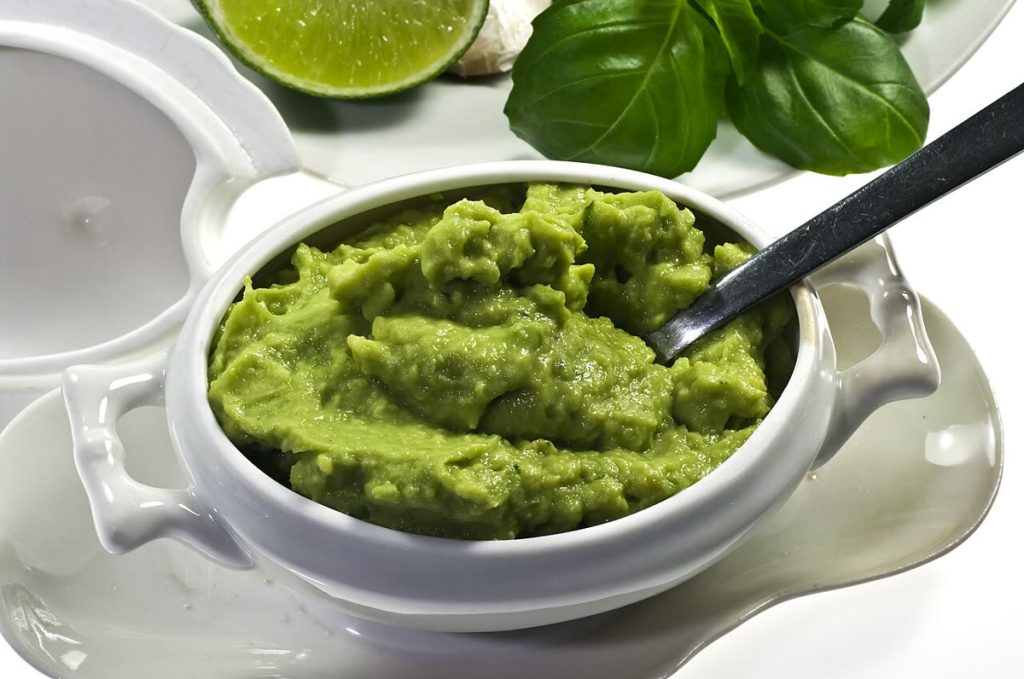
Guacamole fiber content is one of its best nutritional features. Avocado, the main ingredient, is unusually high in fibre for a fruit, and a typical serving of guacamole gives you a useful share of the day’s target. Exact numbers depend on the recipe, but a few spoonfuls usually provide somewhere around 2 to 4 grams of fibre, with the rest of the nutrition coming from healthy fats and potassium.
Key takeaways
- Avocado supplies most of the fibre in guacamole, roughly 6 to 7 g per 100 g of fruit.
- A typical 2 to 4 tablespoon serving gives around 2 to 4 g, depending on how much avocado it contains.
- Shop-bought dips with fillers or yoghurt can contain less fibre than homemade.
- Pair guacamole with vegetables or whole grain chips to add more fibre.
Where the fibre in guacamole comes from
Nearly all the fibre comes from the avocado flesh. Avocado contains both soluble and insoluble fibre. Soluble fibre dissolves in water and helps slow digestion, which can help you feel full. Insoluble fibre adds bulk and supports regular bowel movements. Guacamole also contains small amounts from onion, tomato, coriander (cilantro) and chilli, but they are minor contributors.
Published food composition tables generally put raw avocado at around 6 to 7 grams of fibre per 100 grams. A whole medium avocado, depending on size, often delivers around 9 to 10 grams. Because values vary by variety and ripeness, treat these as approximate figures and check the label of any product you buy.
How much fibre is in a serving?
The amount you eat matters more than the recipe. A tub of shop-bought guacamole often lists a serving of about 30 grams, though many people eat far more. Use the table below as a rough guide for a recipe made mostly of avocado.
| Serving | Approx. avocado content | Approx. fibre |
|---|---|---|
| 1 tablespoon (about 15 g) | Mostly avocado | About 0.8 to 1 g |
| 2 tablespoons (about 30 g) | Mostly avocado | About 1.5 to 2 g |
| ¼ cup (about 60 g) | Mostly avocado | About 3 to 4 g |
| ½ cup (about 120 g) | Mostly avocado | About 6 to 8 g |
| Shop-bought, 30 g with fillers | Less avocado | Often 0.5 to 1.5 g |
These numbers are estimates. If a recipe adds yoghurt, mayonnaise, or a lot of lime juice and water, the avocado share goes down, and so does the fibre per spoonful.
Guacamole fiber content compared with other foods
To put the guacamole fiber content in context, adults are generally advised to eat about 30 grams of fibre a day in the UK, and the figure is often cited as around 25 to 38 grams in the US, depending on age and sex. Most people fall short. A generous scoop of guacamole can cover a decent portion of the gap, particularly alongside other fibre-rich foods.
For comparison, a slice of wholemeal bread typically gives 2 to 3 grams, and a small apple with skin about 3 to 4 grams. Whole grains such as barley are also useful; our article on whether pearled barley is healthy looks at a very high-fibre grain. If you like to track nutrients across everyday foods, our note on carbs in caramelised onions shows how small changes in preparation alter a food’s profile.
Making a higher-fibre guacamole at home
A simple recipe is the best way to keep control. Mash two ripe avocados with the juice of half to one lime, a pinch of salt, finely chopped red onion, a small tomato (seeds removed if you like a thicker dip), chopped coriander and a little chilli. Taste, adjust, and serve right away.
Ways to add even more fibre
- Stir in a spoonful of cooked black beans or sweetcorn.
- Add finely diced cucumber, peppers or radishes for crunch.
- Fold in a teaspoon of ground flaxseed; it blends in without much flavour.
- Serve with carrot, celery and pepper sticks rather than only tortilla chips.
- Choose whole grain or bean-based chips when you do want something crunchy.
Keeping it green
Avocado browns when exposed to air. Press cling film directly onto the surface, or add a layer of lime juice and keep the container sealed. The colour change is cosmetic, but flavour is best on the day you make it.
Health points to keep in mind
Guacamole is nutrient dense, which also means it is calorie dense. Most of the calories come from monounsaturated fat, the type often linked with heart-friendly eating patterns. Keep portions sensible if you are managing weight. It also provides potassium, vitamin K, folate and vitamin E.
If you are increasing your fibre intake, do it gradually and drink plenty of water. A sudden jump can cause bloating or gas. People with digestive conditions, or those following a low-fibre diet on medical advice, should talk to a doctor or registered dietitian. For general healthy eating advice, the NHS website is a trustworthy place to start.
For some background on the dish itself and its origin in Mexico, see the Wikipedia page on guacamole. And if you enjoy fish with your meals, our page on whether canned tuna is healthy pairs well with a wholegrain wrap and a spoonful of guac.
Frequently asked questions
Does guacamole have fiber?
Yes. Because it is made mostly from avocado, it provides a good amount, typically 2 to 4 grams in a quarter cup depending on the recipe.
Is guacamole high in fibre compared with hummus?
Both provide fibre. Guacamole usually has more per spoonful if it is mostly avocado, while hummus gets its fibre from chickpeas. Labels vary, so compare products directly.
Does shop-bought guacamole have less fibre than homemade?
Often yes, because many commercial dips contain a lower proportion of avocado plus added water, oils or thickeners.
Is the fibre in guacamole soluble or insoluble?
Both. Avocado has a mix, roughly more insoluble than soluble, which helps with fullness and regularity.
How much guacamole should I eat a day?
A serving of 2 to 4 tablespoons fits most diets. Because it is energy dense, adjust portions to your needs, and ask a dietitian if you have specific goals.
Conclusion
The guacamole fiber content is a genuine plus. A decent portion of homemade guac, served with vegetables or whole grain chips, can add several grams of fibre to your day. Check labels on ready-made tubs, keep portions reasonable, and build up fibre gradually.
Key takeaways about guacamole fiber content
Here is a short summary of guacamole fiber content so you can find the main points quickly.
- Guacamole fiber content is one of its best nutritional features.
- Nearly all the fibre comes from the avocado flesh.
- Published food composition tables generally put raw avocado at around 6 to 7 grams of fibre per 100 grams.
- The amount you eat matters more than the recipe.
Check official sources before acting on anything related to guacamole fiber content, because details can change over time.
Related reading:
- C2H4 Lewis Structure Resonance: Why Ethene Has None
- What to Write on Sympathy Flowers: Messages and Examples
For general background, you can look up guacamole fiber content on Wikipedia.