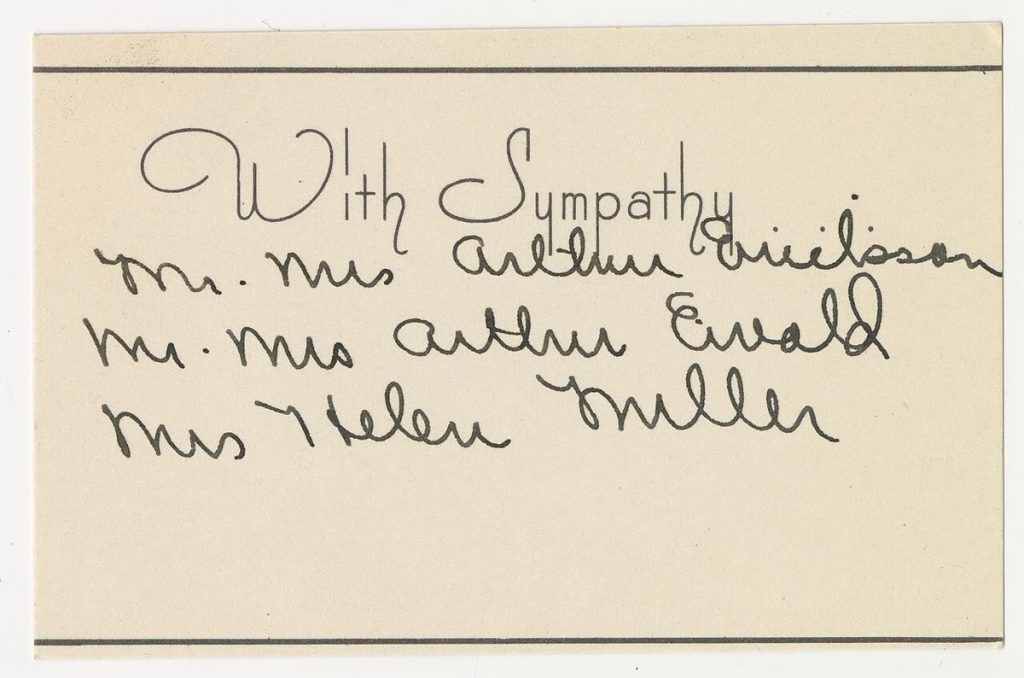
Religious sympathy messages offer comfort through faith: a prayer, a blessing, a line of scripture or a simple promise to keep someone in your thoughts. The best ones are short, sincere and fitted to the beliefs of the person who is grieving. Below you will find wording ideas grouped by tradition and situation, along with guidance on how to choose a message that supports rather than hurts.
Key takeaways
- Match the message to the family’s faith, not just your own.
- Short and heartfelt usually reads better than a long quotation.
- If you are unsure of their beliefs, choose a gentle, inclusive line of comfort.
- Add a personal memory or an offer of help; it often means more than the quote.
Choosing the right tone
Before you write, think about who will read the card. A devout family may find real strength in a psalm or a prayer. Someone who has drifted from faith, or who follows a different tradition, may feel awkward if they receive a message that assumes beliefs they do not share. When you are not sure, a line such as “Thinking of you and holding you in my prayers” is usually welcome, since it states what you are doing rather than telling them what to believe.
Avoid phrases that explain the death, such as “everything happens for a reason” or “God needed another angel”. Even among believers, these can sting. Comfort works best when it acknowledges the loss and offers presence.
Christian sympathy messages
Christian cards often draw on the hope of peace and eternal rest. Examples you can adapt:
- “May God’s peace surround you and your family at this sad time.”
- “We are praying that you feel His comfort in the days ahead.”
- “May she rest in peace, and may you be held in love.”
- “With sympathy and prayers for you all.”
- “He is at rest now. We will remember him with great affection.”
Scripture is a common addition. Psalm 23 (“The Lord is my shepherd”) and passages from the Gospel of John about comfort and peace are often chosen, though you can simply write the reference and a line of your own. If you quote, copy it carefully from a Bible you trust, and keep it brief.
Jewish sympathy messages
A traditional Hebrew phrase offered to mourners is “May the Almighty comfort you among the mourners of Zion and Jerusalem.” In English, many people write “May his memory be a blessing” or “May her memory be a blessing”. These are widely recognised and respectful. During the mourning period, called shiva, a visit or a practical offer, such as food or help with errands, is often as valued as a card. If you are not Jewish, keep to well-known phrases and avoid sending flowers if you know the family follows customs against them; a donation to a charity chosen by the family may be more appropriate.
Muslim sympathy messages
A familiar expression on hearing of a death is “Inna lillahi wa inna ilayhi raji’un”, often translated as “Indeed we belong to God, and to Him we return.” Others write, “May Allah grant him paradise and give patience to the family.” Muslim families often value prayers for the departed and for those left behind. If you are unsure of the right wording, a simple “My sincere condolences, and I am praying for you and your family” is kind and clear. Customs differ across communities, so follow the family’s lead on visits and timing.
Hindu, Sikh and Buddhist messages
For Hindu families, many people write “May the departed soul find peace” or “Om Shanti”, which wishes peace. Sikh families may appreciate “Waheguru, grant peace to the departed soul and strength to the family.” Buddhist-friendly wording often focuses on compassion and peace, such as “May she be free from suffering and may you be surrounded by kindness.” As with all traditions, a short, sincere line that is respectful of the family’s own practice is better than an elaborate quote that you only half understand.
Messages for different relationships
| Situation | Example wording |
|---|---|
| Close friend | “I am so sorry. I am praying for you and I am here whenever you want to talk.” |
| Colleague | “Please accept my sincere sympathy. Keeping you and your family in my thoughts and prayers.” |
| Loss of a parent | “May the love of your mother stay with you always. Praying for your comfort.” |
| Loss of a child | “There are no words. We are holding you in our prayers and our hearts.” |
| After a long illness | “May he be at peace at last. We are praying for you through this time.” |
| Unknown faith | “Thinking of you with love and wishing you peace and comfort.” |
How to write the card, step by step
- Start with a direct, kind opening, such as “I was so sorry to hear about…”
- Add one faith-based sentence that fits the family.
- Include a brief memory of the person, if you have one.
- Offer something concrete, such as a meal, a lift or a phone call.
- Close warmly with “With love”, “With deepest sympathy” or similar, and sign your name.
Write in your own handwriting where you can. If you need more ideas for wording across different cards and notes, our funeral card message examples cover everyday, non-religious phrasing. Our guide to what to write on sympathy flowers is helpful when the message needs to fit a small florist’s card.
What to avoid
- Telling the person how they should feel or when they should feel better.
- Comparing their loss with your own in a way that shifts attention to you.
- Using religious language that contradicts the family’s beliefs.
- Long quotations that feel like a form letter.
If you want background on funeral customs across faiths, a neutral overview such as the Wikipedia page on funerals can help you understand traditions, though a quick respectful question to a mutual friend is often the best guide.
Frequently asked questions
What do you write in a religious sympathy card?
Write a kind opening, one comforting line of faith, and a personal note. For example, “I am praying for you and your family. May God give you peace.”
Is it appropriate to send a religious message to a non-religious person?
It can feel out of place. If you do not know their views, choose a gentle line such as “thinking of you” or “holding you in my thoughts” instead of scripture.
Should I quote scripture?
Only if it fits the family’s faith and you are confident of the wording. A short, well-known verse or a simple reference is usually enough.
What can I say if I do not share their religion?
Say what is true for you: “I am so sorry for your loss and I am thinking of you.” You can also use the family’s own phrases of mourning if you know them and use them respectfully.
How long should the message be?
A few sentences are enough. Sincerity matters more than length, and a short message is easier for a grieving person to take in.
Conclusion
Religious sympathy messages work when they are warm, brief and respectful of the family’s beliefs. Choose words that you mean, add a personal touch, and let the card say simply that they are not alone.
Key takeaways about religious sympathy messages
Here is a short summary of religious sympathy messages so you can find the main points quickly.
- Religious sympathy messages offer comfort through faith: a prayer, a blessing, a line of scripture or a simple promise to keep someone in your thoughts.
- Before you write, think about who will read the card.
- Avoid phrases that explain the death, such as "everything happens for a reason" or "God needed another angel".
- Christian cards often draw on the hope of peace and eternal rest.
Check official sources before acting on anything related to religious sympathy messages, because details can change over time.
Questions about religious sympathy messages are common, so it helps to compare more than one trustworthy source.
Use this page as a starting point for religious sympathy messages and come back to it when your situation changes.
Good decisions about religious sympathy messages come from checking the facts, comparing your options and taking your time.
Save this guide to religious sympathy messages so you can find it again whenever you need a quick reminder.
If you only remember one thing about religious sympathy messages, make it the practical steps covered in this guide.
Related reading:
For general background, you can look up religious sympathy messages on Wikipedia.