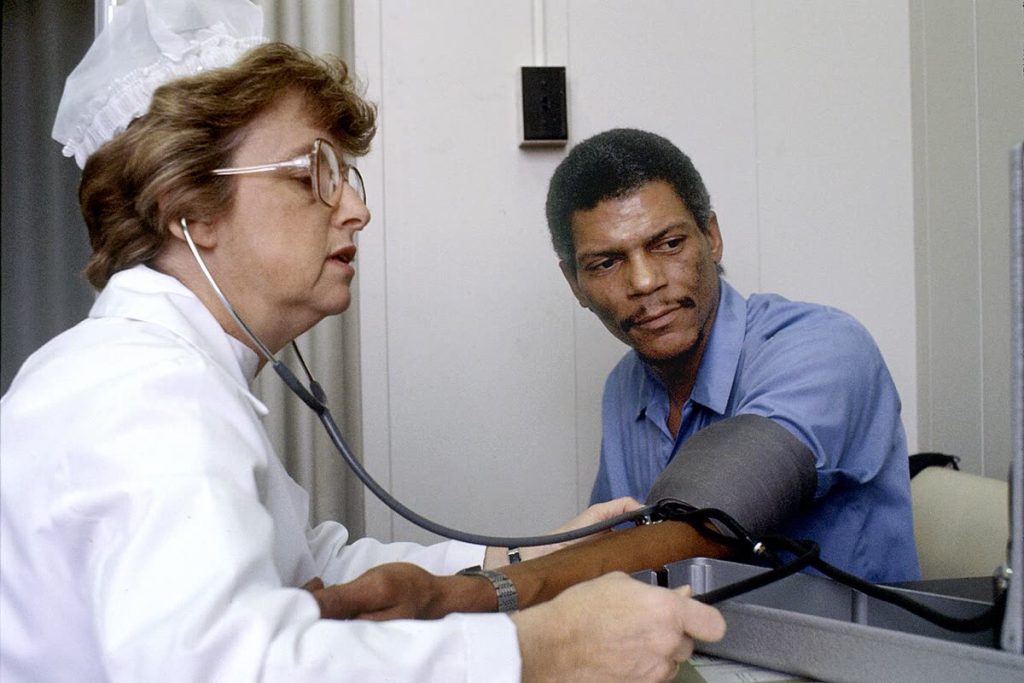
Understanding the RN vs LVN scope of practice starts with one idea: registered nurses (RNs) generally have a broader scope than licensed vocational nurses (LVNs), including independent assessment, care planning and supervising others. LVNs, called licensed practical nurses (LPNs) in most states, provide skilled bedside care under the direction of an RN, physician or other authorised provider. Exact rules depend on the state.
Key takeaways
- RNs have longer education and a wider scope, including assessment and care planning.
- LVNs and LPNs are the same role under different titles; LVN is used in California and Texas.
- Each state’s nursing board sets the legal scope, so always check local rules.
- Employers can limit tasks further than the law allows.
- This article is general information, not legal or career advice.
The basic difference
Both RNs and LVNs provide direct patient care, but the depth of training and the authority they hold differ. LVN programmes are usually shorter, often around one year to eighteen months, and are commonly offered at community colleges and technical schools. RN programmes lead to an associate degree, a diploma or a bachelor’s degree and take longer. They place more emphasis on critical thinking, leadership and the theory behind care decisions.
Graduates sit different national licensing exams: the NCLEX-PN for practical or vocational nurses and the NCLEX-RN for registered nurses. Licensing is then granted by each state’s board of nursing, which is why the scope of practice varies across the country. The National Council of State Boards of Nursing provides information on licensing and nurse practice acts.
Typical tasks side by side
| Area | RN | LVN / LPN |
|---|---|---|
| Patient assessment | Performs comprehensive assessments | Collects data and contributes to assessment |
| Care planning | Develops and updates the plan of care | Follows and helps implement the plan |
| Medications | Administers a wide range, including complex routes | Gives many routine medications; limits vary |
| IV therapy | Usually allowed, including many IV medicines | May need extra certification; state-dependent |
| Supervision | Can delegate and supervise | May supervise aides; works under an RN or provider |
| Patient education | Plans and delivers teaching | Reinforces teaching |
What RNs commonly do
- Complete initial and ongoing health assessments.
- Create and revise nursing care plans.
- Coordinate care with doctors, therapists and other staff.
- Manage complex or unstable patients.
- Delegate tasks and supervise LVNs, LPNs and nursing assistants.
- Educate patients and families, and plan discharge.
What LVNs and LPNs commonly do
- Take vital signs and monitor patient condition.
- Help patients with hygiene, mobility and comfort.
- Give routine medications and injections, where permitted.
- Change dressings and care for wounds.
- Collect samples and record observations.
- Report changes in a patient’s condition to the RN or provider.
Why the scope varies by state
Each state has a nurse practice act and a board of nursing that defines what each licence may do. For example, whether an LVN may start intravenous therapy, perform certain assessments or give particular drugs is different in different states. In California, there is more detail in our guide to LVN scope of practice in California. In some states, LVNs may take on more responsibility in long-term care or home health than in busy hospital units.
Work setting also matters
Employers can restrict duties beyond what the law allows. Hospitals tend to use RNs more heavily for acute care, while nursing homes, clinics and home care agencies often employ many LVNs and LPNs. Job descriptions, facility policy and staffing models all shape the daily work.
How the two roles work together in practice
In a typical ward, an RN may complete the admission assessment, review the doctor’s orders and set priorities for the shift. An LVN on the same team might then take vital signs, give scheduled medicines, perform wound care and report any changes to the RN. If a patient’s condition suddenly worsens, the LVN alerts the RN or provider, who decides how to respond.
Delegation and accountability
Delegation is the process of handing a task to someone else while remaining accountable for the outcome. RNs can generally delegate to LVNs and nursing assistants, but they must consider the task, the patient’s needs and the skills of the person receiving it. LVNs are accountable for their own actions within their licence and should decline any task outside their legal scope or training. Raising concerns early protects both patients and nurses.
Common grey areas
- Initial patient assessments in some settings.
- Starting or monitoring IV lines and blood products.
- Triage by phone.
- Writing or changing the formal care plan.
In these areas, rules differ widely. Never assume that practice in one state or workplace matches another.
How to check what an LVN or RN can do in your state
- Find your state board of nursing website.
- Search for the nurse practice act and the section on LVN/LPN or RN scope.
- Look for any position statements or decision-making tools the board publishes.
- Check your employer’s policy and procedure manuals.
- If in doubt, contact the board directly for written guidance.
Pay, career steps and bridge programmes
RNs usually earn more than LVNs and LPNs, reflecting their longer education and broader responsibilities, though pay depends on location, setting and experience, so check up-to-date data from official labour statistics. Many LVNs move up through LVN-to-RN bridge programmes, which credit earlier training and allow them to qualify for the NCLEX-RN more quickly. RNs can continue to a bachelor’s or master’s degree and specialise as nurse practitioners, educators or managers.
For a wider background on the role, see the Wikipedia article on licensed practical nurses.
Frequently asked questions
Is an LVN the same as an LPN?
Yes, the roles are essentially the same. LVN is used in California and Texas, and LPN elsewhere.
Can an LVN supervise an RN?
No. LVNs work under the direction of an RN, physician or other authorised provider, though they may direct nursing assistants in some settings.
Can LVNs give IV medications?
It depends on the state and employer. Some require additional certification, and some restrict certain IV tasks to RNs.
Which is better, RN or LVN?
Neither is better in a general sense. An LVN route is faster and cheaper, while an RN route offers wider scope and more career options.
How long does it take to become an RN or LVN?
LVN programmes commonly take about a year to eighteen months, and RN programmes usually take two to four years, depending on the pathway.
Conclusion
The RN and LVN roles complement each other in a care team. RNs carry wider responsibility for assessment, planning and supervision, while LVNs provide essential hands-on care. Because laws vary, use your state’s board of nursing as the final authority and talk to employers or educators when planning a career.
Key takeaways about rn vs lvn scope of practice
Here is a short summary of rn vs lvn scope of practice so you can find the main points quickly.
- Understanding the RN vs LVN scope of practice starts with one idea: registered nurses (RNs) generally have a broader scope than licensed vocational nurses (LVNs), including independent assessment, care planning and supervising others.
- Both RNs and LVNs provide direct patient care, but the depth of training and the authority they hold differ.
- Graduates sit different national licensing exams: the NCLEX-PN for practical or vocational nurses and the NCLEX-RN for registered nurses.
- Each state has a nurse practice act and a board of nursing that defines what each licence may do.
Check official sources before acting on anything related to rn vs lvn scope of practice, because details can change over time.
Questions about rn vs lvn scope of practice are common, so it helps to compare more than one trustworthy source.
Use this page as a starting point for rn vs lvn scope of practice and come back to it when your situation changes.
Good decisions about rn vs lvn scope of practice come from checking the facts, comparing your options and taking your time.
Save this guide to rn vs lvn scope of practice so you can find it again whenever you need a quick reminder.
If you only remember one thing about rn vs lvn scope of practice, make it the practical steps covered in this guide.
Related reading:
- Can Borscht Be Frozen? How to Freeze and Reheat It Properly
- Murdoch’s Scottsbluff: Store Guide for Ranch and Farm Supplies
For general background, you can look up rn vs lvn scope of practice on Wikipedia.