The best shallot.substitute for most recipes is a yellow or white onion, used in about the same quantity and chopped finely. Shallots are milder and a touch sweeter than ordinary onions, with a faint garlicky edge, so the right swap depends on whether your dish is raw, lightly cooked or slow-cooked. Below you will find ratios, a quick-reference table and tips for each cooking style, so you can finish dinner without a dash to the shops.
Key takeaways
- Swap shallots for an equal volume of finely chopped yellow, white or sweet onion in cooked dishes.
- For raw dishes, red onion, spring onion or chives give a gentler flavour than yellow onion.
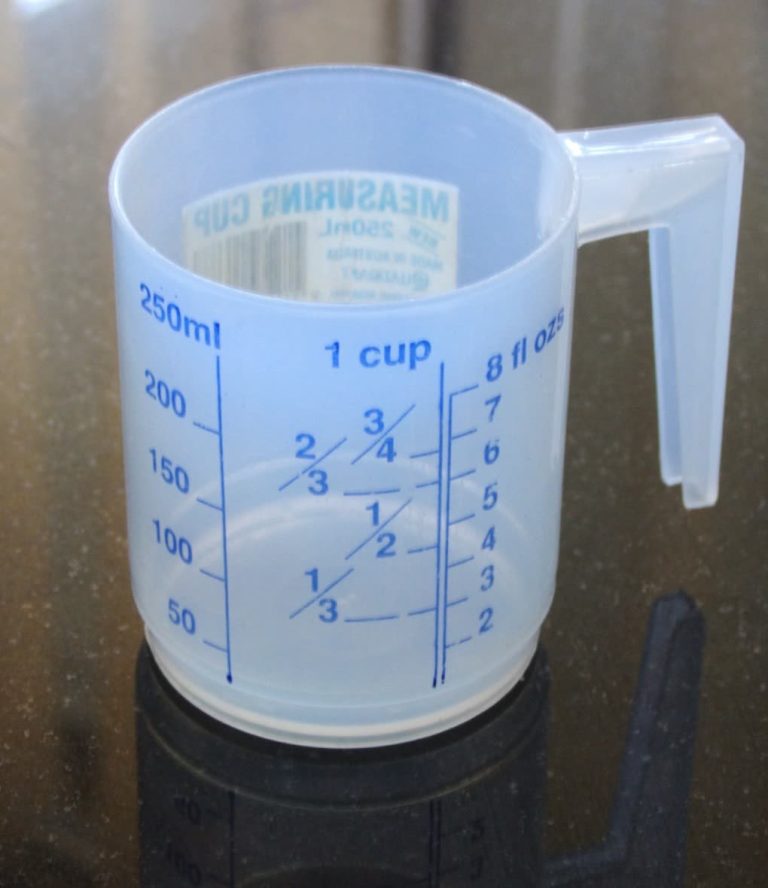
- One medium shallot gives roughly three tablespoons chopped, about a quarter to a third of a small onion.
- A tiny pinch of garlic can recreate the shallot’s subtle garlic note in dressings and sauces.
What makes a shallot different
Shallots belong to the same family as onions, garlic and leeks. You can read more about the plant on the shallot Wikipedia page. They grow in clusters of small bulbs with copper or pinkish skins, and the flesh is finer and more tender than a standard onion. When cooked, shallots melt into sauces and turn sweet without overpowering other ingredients, which is why they are popular in French cooking, vinaigrettes and delicate pan sauces.
That is the quality you are trying to copy: softness, mild sweetness and a gentle bite. Any substitute is judged on how close it gets to those three things.
Shallot substitute options at a glance
| Swap | Amount for 1 medium shallot | Best for | Notes |
|---|---|---|---|
| Yellow onion | About 3 tablespoons finely chopped | Soups, stews, sauces, risotto | Cook a little longer to soften and sweeten |
| White onion | About 3 tablespoons finely chopped | Salsas, light sauces | Crisper and slightly sharper |
| Sweet onion | About 3 tablespoons finely chopped | Raw and quick-cooked dishes | Closest in mildness |
| Red onion | About 3 tablespoons finely chopped | Salads, pickles, dressings | Adds colour; soak to tone it down |
| Spring onion (scallion) | 3 to 4 thin stalks, white and pale green parts | Dressings, omelettes, stir-fries | Fresh and mild |
| Leek, white part | About a quarter of a medium leek | Sauteed dishes, quiche, creamy sauces | Gentle and sweet when softened |
| Chives | 2 to 3 tablespoons snipped | Finishing, garnish, cold sauces | Add at the end; no real body |
Using onion as a shallot substitute
Yellow onion is in nearly every kitchen, and it works well when you cook it. Chop it as finely as you can, because larger pieces will feel coarse where a shallot would have melted away. Start it on a gentle heat with butter or oil and give it two to three minutes longer than you would a shallot, until it turns translucent and soft. Cooking it slowly drives off the harshness and brings out its natural sugars.
If the recipe uses the shallot raw, a yellow onion can taste too sharp. A simple fix is to soak the chopped pieces in cold water for ten minutes, then drain and pat dry. This washes away some of the sulphur compounds that cause the bite. A sweet onion or a red onion needs no such step in most cases.
The garlic trick
Shallots taste faintly of garlic. If you are making a vinaigrette or a wine sauce, add a very small pinch of finely grated or crushed garlic to the onion. Go carefully, since too much will dominate the dish, and let it sit in the dressing for a few minutes before tasting.
Best swaps for raw dishes
In salads, salsas, tartare and dressings, you want something gentle. Spring onions are an excellent choice: slice the white and pale green parts very thinly. Red onion works too, particularly if you slice it thinly and let it sit in a little vinegar or lemon juice for ten minutes, which softens the flavour and turns it a pretty pink. Chives give a delicate onion note with no harshness, though they lack the sweetness and crunch of a bulb.
Best swaps for sauteed and braised dishes
For pan sauces, risotto, soups and braises, yellow onion is a reliable swap. Leeks are a lovely alternative where you want a sweeter, softer base, such as in a cream sauce or a quiche. Use only the white and pale green part, wash it thoroughly because grit hides between the layers, and slice it thinly. If you only have shallots in the recipe for a delicate fish dish, avoid very strong onions and lean towards leeks or spring onions.
Roasted and pickled uses
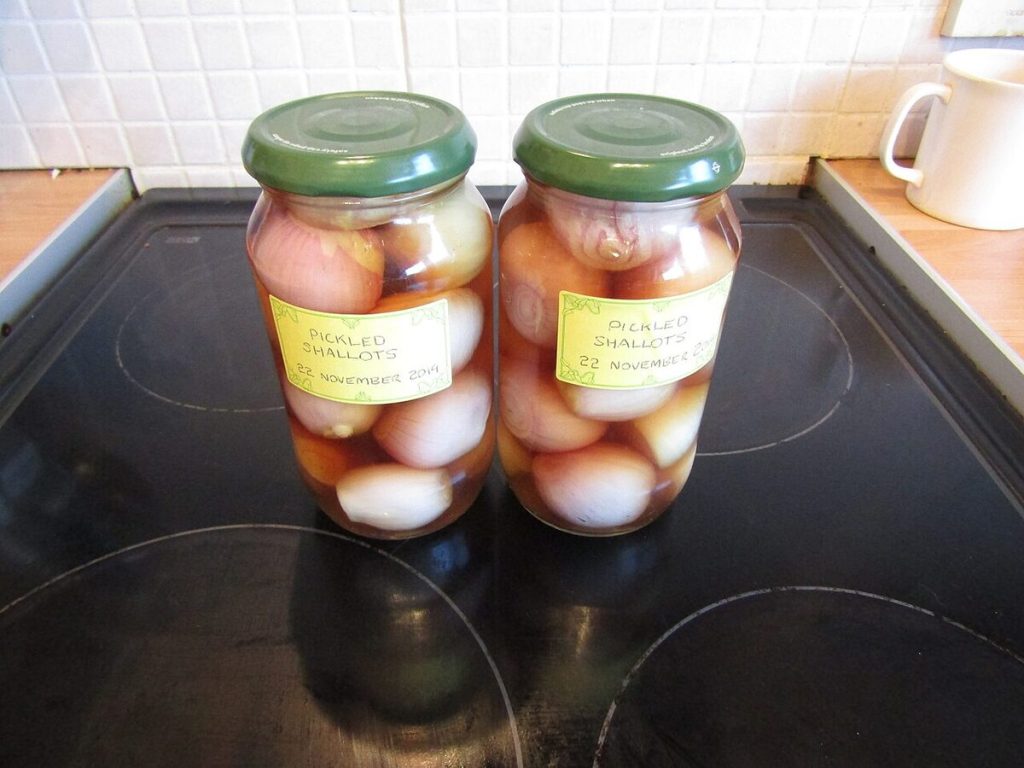
Whole roasted shallots are served as a side or tossed through salads. For a similar result, use small pearl or cipollini onions where available, or cut a small onion into wedges and roast them at a moderate heat until golden and soft. For pickling, red onion is easily the best stand-in, since it takes up vinegar well and keeps a bright colour.
Common mistakes to avoid
- Using too much. A large onion has far more volume than a shallot. Measure in tablespoons rather than counting bulbs.
- Chopping too coarsely. Big pieces cook unevenly and taste harsher.
- Browning rather than sweating. Shallot flavour is gentle, so keep the heat moderate unless the recipe says otherwise.
- Skipping the soak for raw dishes. A short soak in cold water makes strong onions far more pleasant.
If you enjoy troubleshooting your kitchen measurements, you may like our guide to choosing a civilization in Rise of Kingdoms for a completely different kind of planning, or the step-by-step help with Cintas portal sign-in if you manage a work account.
Frequently asked questions
Can I use a regular onion instead of a shallot?
Yes. Use a similar volume of finely chopped yellow or white onion, cook it slightly longer, and soak it first if the dish is raw.
How much onion equals one shallot?
One medium shallot is roughly three tablespoons chopped, which equals about a quarter to a third of a small onion.
What is the mildest shallot substitute?
Sweet onion, spring onion and chives are the mildest options, with leeks close behind when sauteed.
Can I use garlic instead of shallot?
Not as a one-for-one swap. Garlic is far more pungent and lacks the bulk and sweetness. Use a pinch alongside onion if you want the extra note.
What can I use in a vinaigrette?
Finely minced red onion that has been soaked in cold water, or finely sliced spring onion, both work well. Let the mix rest in the dressing for a few minutes.
Conclusion
You rarely need a special trip for a shallot.substitute: finely chopped onion, spring onion, leek or chives will do the job once you match the amount and the cooking method. Chop small, cook gently, and soak strong onions for raw dishes to keep the delicate flavour a shallot brings.
Key takeaways about shallot.substitute
Here is a short summary of shallot.substitute so you can find the main points quickly.
- The best shallot.substitute for most recipes is a yellow or white onion, used in about the same quantity and chopped finely.
- Shallots belong to the same family as onions, garlic and leeks.
- That is the quality you are trying to copy: softness, mild sweetness and a gentle bite.
- Yellow onion is in nearly every kitchen, and it works well when you cook it.
Save this guide to shallot.substitute so you can find it again whenever you need a quick reminder.
If you only remember one thing about shallot.substitute, make it the practical steps covered in this guide.
Check official sources before acting on anything related to shallot.substitute, because details can change over time.
Questions about shallot.substitute are common, so it helps to compare more than one trustworthy source.
Use this page as a starting point for shallot.substitute and come back to it when your situation changes.
Related reading:
- What Did Vikings Wear in Winter? Cold-Weather Clothing
- SEC Network DirecTV Stream: How to Watch and Check Access
For general background, you can look up shallot.substitute on Wikipedia.