This guide on food to avoid for leaky gathers the main facts, common questions and practical tips in one place.
“Leaky gut” describes increased intestinal permeability, where the lining of the gut lets more than it should pass through. It is a topic of ongoing research and is not a formal diagnosis in most medical systems, so see your doctor before making big diet changes. That said, certain foods are commonly reduced by people looking to ease digestive symptoms.
Foods often limited
- Ultra-processed foods: packaged snacks, sugary cereals and ready meals are high in additives, refined starch and sugar, and low in fibre.
- Added sugar and sweetened drinks: high intake is linked to poorer gut bacteria balance.
- Alcohol: heavy drinking is known to irritate and damage the gut lining.
- Fried and very fatty foods: can worsen bloating and discomfort.
- Artificial sweeteners: some people notice digestive upset, and research on gut effects is mixed.
Foods that may trigger individual symptoms
- Gluten: essential to avoid with coeliac disease, but only helpful for others if they are sensitive.
- Dairy: a problem if you are lactose intolerant.
- High-FODMAP foods: onions, garlic, some fruits and beans can cause gas in people with IBS.
The best way to find your triggers is a food and symptom diary kept for two to four weeks, ideally with a dietitian.
What to eat more of
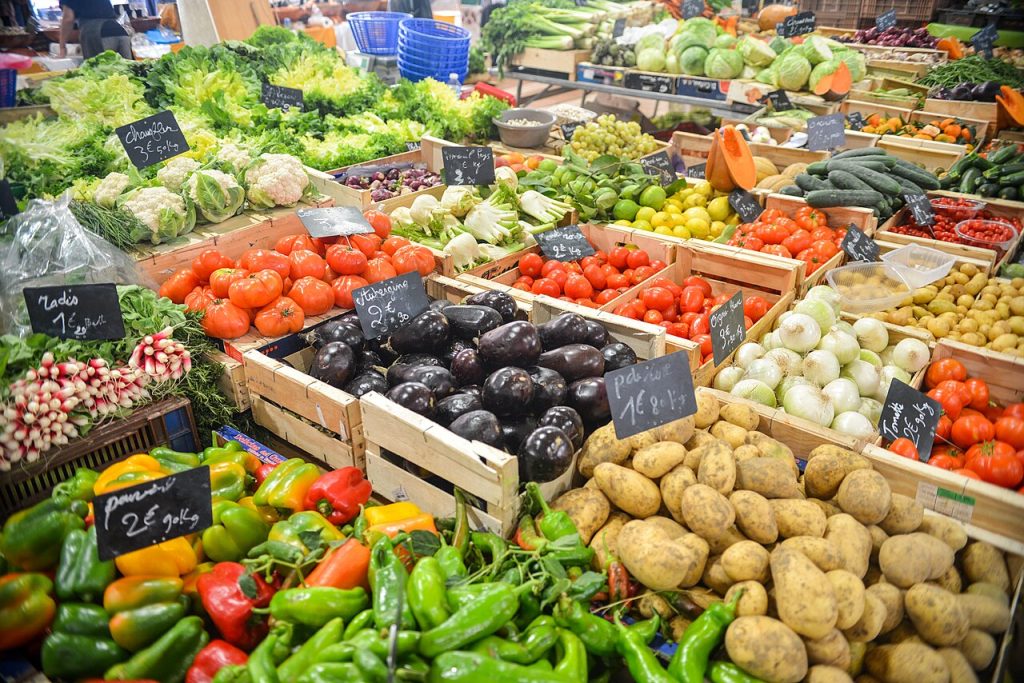
- Fibre from vegetables, oats, lentils and whole grains.
- Fermented foods such as live yoghurt, kefir and sauerkraut.
- Oily fish, olive oil and nuts.
- Plenty of water.
A sensible approach
Cutting out many foods at once can leave you short of nutrients and make eating stressful. Remove one suspect group at a time, note any change, and reintroduce it to see whether it matters.
When to see a doctor
Persistent diarrhoea, blood in the stool, unexplained weight loss or severe pain need medical assessment. These are not problems to treat with diet alone, and they can signal conditions such as coeliac disease or inflammatory bowel disease that need proper testing.
Lifestyle factors
Diet is only part of gut health. Poor sleep, high stress and some medicines such as long-term anti-inflammatories can also affect the digestive system. Talk to your doctor if you take these regularly.
Key takeaways about food to avoid for leaky
Here is a short summary of food to avoid for leaky so you can find the main points quickly.
- "Leaky gut" describes increased intestinal permeability, where the lining of the gut lets more than it should pass through.
- The best way to find your triggers is a food and symptom diary kept for two to four weeks, ideally with a dietitian.
- Cutting out many foods at once can leave you short of nutrients and make eating stressful.
- Persistent diarrhoea, blood in the stool, unexplained weight loss or severe pain need medical assessment.
Check official sources before acting on anything related to food to avoid for leaky, because details can change over time.
Questions about food to avoid for leaky are common, so it helps to compare more than one trustworthy source.
Use this page as a starting point for food to avoid for leaky and come back to it when your situation changes.
Good decisions about food to avoid for leaky come from checking the facts, comparing your options and taking your time.
Save this guide to food to avoid for leaky so you can find it again whenever you need a quick reminder.
If you only remember one thing about food to avoid for leaky, make it the practical steps covered in this guide.
Related reading:
For general background, you can look up food to avoid for leaky on Wikipedia.