What is a pint equal to? A pint is half a quart and one eighth of a gallon. In the US, that works out as 16 fluid ounces, while in the UK a pint is larger at 20 imperial fluid ounces. This guide places the pint on the ladder of larger units and then looks at how it appears in pubs, shops and freezers.
Key takeaways
- 2 pints make a quart, 4 quarts make a gallon, so 8 pints make a gallon in both systems.
- The gallons differ (about 3.79 litres US, 4.55 litres imperial), so the pints differ too.
- To convert US pints to imperial pints, multiply by about 0.833; to go the other way, multiply by 1.2.
- A pint measures volume, not weight, so what it weighs depends on what is in it.
The pint as part of a ladder
Both American and British measures grow from the same pattern, and that shared pattern is the easiest thing to memorise.
- 2 cups (US) = 1 pint
- 2 pints = 1 quart
- 4 quarts = 1 gallon
- Therefore 8 pints = 1 gallon
The trouble is that the gallon at the top of the ladder is not the same size on each side of the Atlantic. A US liquid gallon is about 3.785 litres, whereas an imperial gallon is about 4.546 litres. Divide each by eight and you get the two pints: roughly 473 ml and 568 ml. The pint is, in each system, simply one eighth of the local gallon.
A tidy way to picture it
Imagine a gallon jug as a stack of eight equal bottles. Each bottle is a pint. Pair them up and you have four quarts. If you prefer to think from small to large, double the cup, double again, and you are at the quart, then a final doubling to two quarts gives the half gallon. That is why the US system feels so tidy for cooks.
Three pints compared
| Type | Millilitres | Fluid ounces | Typical use |
|---|---|---|---|
| US liquid pint | about 473 ml | 16 US fl oz | Cream, ice cream tubs, beer in some bars |
| US dry pint | about 551 ml | not normally quoted in fl oz | Berries, cherry tomatoes |
| UK imperial pint | 568 ml | 20 imperial fl oz | Pub beer, milk, older recipes |
These are not interchangeable. A US recipe for stock that asks for a pint means two cups. A British recipe asking for a pint of stock needs nearly 2.4 US cups. In sauces the difference might only change thickness, but in baking it can ruin the texture.
Where you meet a pint in daily life
In the pub
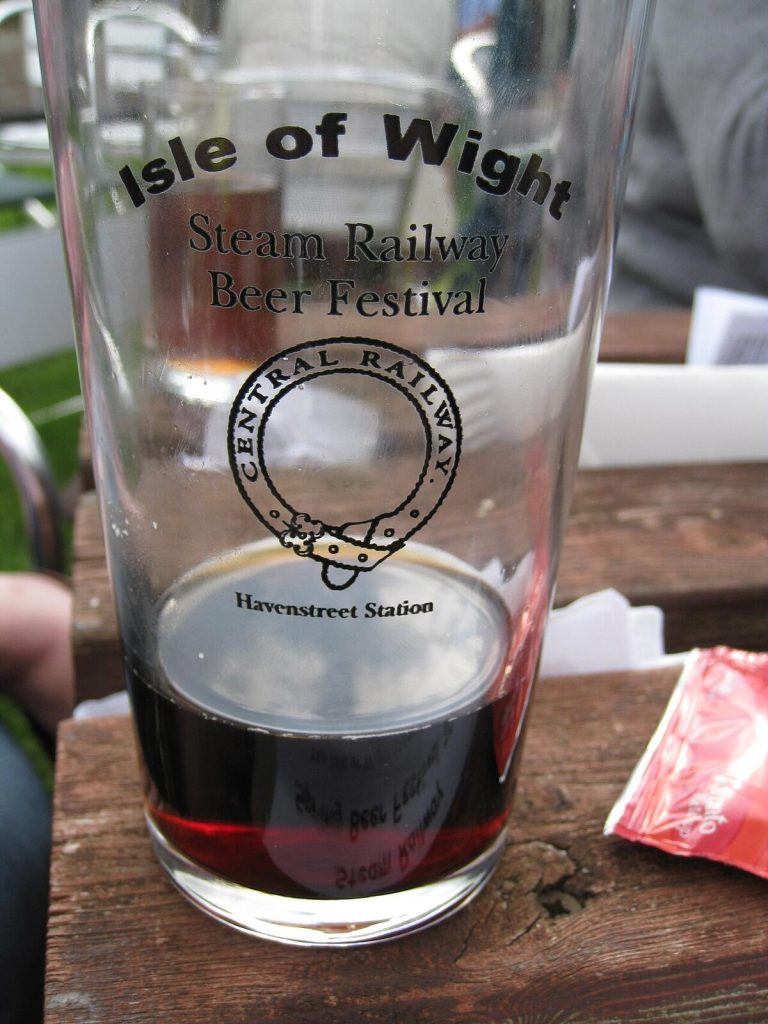
In Britain, draught beer sold by the pint must be served in a legally defined measure of 568 ml, and that is why the glass often has a line marking the fill. In the US, a pint glass is traditionally 16 ounces, but some bars use tapered shaker glasses or tulip glasses that are not true pints. If you want to see how a beer pint looks in metric, our page on a pint of beer in millilitres has the numbers.
On the doorstep and in the fridge
British milk is still commonly sold in pint bottles and cartons, and delivery rounds use returnable glass pints. In the US, milk comes in half-pint school cartons, quarts, half-gallons and gallons.
In the freezer
American ice cream tubs marked as a pint hold 16 US fluid ounces by volume. Since ice cream is full of air, the tub weighs less than the same volume of water would.
In the market
Strawberries, blueberries and cherry tomatoes in American stores are sold in dry pint baskets, a measure for produce volume rather than weight.
How to convert a pint, step by step
- Decide whether you are dealing with a US liquid pint, a US dry pint or an imperial pint.
- For fluid ounces, multiply US pints by 16, or imperial pints by 20.
- For millilitres, multiply US pints by about 473, or imperial pints by about 568.
- For litres, multiply US pints by about 0.473, or imperial pints by about 0.568.
- To switch between US and imperial, multiply US pints by 0.833 to get imperial pints, or imperial pints by 1.2 to get US pints.
As a quick example, 3 imperial pints come to roughly 1.7 litres, whereas 3 US pints come to roughly 1.42 litres. Going the other way, one litre is about 2.11 US pints or 1.76 imperial pints. For the smaller side of the scale, our guide to a fluid ounces in one pint covers the US-versus-UK difference in detail.
Volume is not weight
People often ask how much a pint weighs. The honest answer is that it depends on what is in it. A US pint of water weighs a little over a pound, and an imperial pint of water weighs about a pound and a quarter. Honey and syrup are heavier than water, oil is lighter, and whipped cream or ice cream is lighter still because of trapped air. If a recipe needs precise weight, use kitchen scales rather than a jug.
Quick sanity checks
If a result looks odd, run a rough test. A pint is a little under half a litre in the US and a little over half a litre in Britain, so two pints of either kind should land close to one litre. If your answer for four pints comes out near 4 litres, you have multiplied when you should have divided. Another handy check is the gallon: eight pints should equal roughly 3.8 litres in the US or 4.5 litres in the UK. Spending ten seconds on this saves a ruined batch of soup or an embarrassing order at a bar.
Why the two systems drifted apart
The imperial system was standardised in Britain in the early nineteenth century, using a gallon based on a defined weight of water. The American gallon descended from an older English wine gallon that was already in use in the colonies, so it stayed smaller. The two traditions have been out of step ever since. If you would like the background, the Wikipedia entry on the pint gives a full history.
Frequently asked questions
Is a pint a quarter of a gallon?
No. A quart is a quarter of a gallon, and a pint is one eighth.
How many pints are in a litre?
About 2.11 US pints, or about 1.76 imperial pints.
Why is a UK pint bigger than a US pint?
Britain defined a larger gallon in the imperial system, and every unit that divides the gallon is larger as a result.
How many pints are in a gallon?
Eight, in both the US and imperial systems, though the gallons themselves differ in size.
Does a pint always mean liquid?
Usually, but a dry pint exists for produce in the US. Check which one a recipe or label is using.
Conclusion
A pint sits neatly between the cup and the quart, always one eighth of its local gallon. Remember that the US and UK versions differ by about a fifth, check which one you are dealing with, and convert to millilitres when in doubt.
Key takeaways about what is a pint equal to
Here is a short summary of what is a pint equal to so you can find the main points quickly.
- Both American and British measures grow from the same pattern, and that shared pattern is the easiest thing to memorise.
- The trouble is that the gallon at the top of the ladder is not the same size on each side of the Atlantic.
- Imagine a gallon jug as a stack of eight equal bottles.
- In Britain, draught beer sold by the pint must be served in a legally defined measure of 568 ml, and that is why the glass often has a line marking the fill.
Save this guide to what is a pint equal to so you can find it again whenever you need a quick reminder.
If you only remember one thing about what is a pint equal to, make it the practical steps covered in this guide.
Check official sources before acting on anything related to what is a pint equal to, because details can change over time.
Questions about what is a pint equal to are common, so it helps to compare more than one trustworthy source.
Use this page as a starting point for what is a pint equal to and come back to it when your situation changes.
Good decisions about what is a pint equal to come from checking the facts, comparing your options and taking your time.
Related reading:
- Funeral Card Messages Examples: What to Write in a Sympathy Card
- Are There Poisonous Crabs? The Most Toxic Crabs Explained
For general background, you can look up what is a pint equal to on Wikipedia.