Is super glue safe for cuts? Household super glue is not recommended for wounds, because it is not made or tested for use on skin injuries. Doctors do use a medical-grade skin adhesive that is chemically related, but it is a different product, applied to suitable, clean wounds by trained staff. This article is general information, not medical advice. If you are unsure about a wound, ask a doctor, pharmacist or the NHS 111 service.
Key takeaways
- Household super glue and medical skin glue are related but not interchangeable.
- Gluing a dirty wound can trap bacteria and raise the risk of infection.
- Clean, press and cover minor cuts the standard way, and use plasters or sterile strips.
- Seek medical help for deep, gaping, bleeding, dirty or bite wounds, or wounds on the face or joints.
Why people think of using it
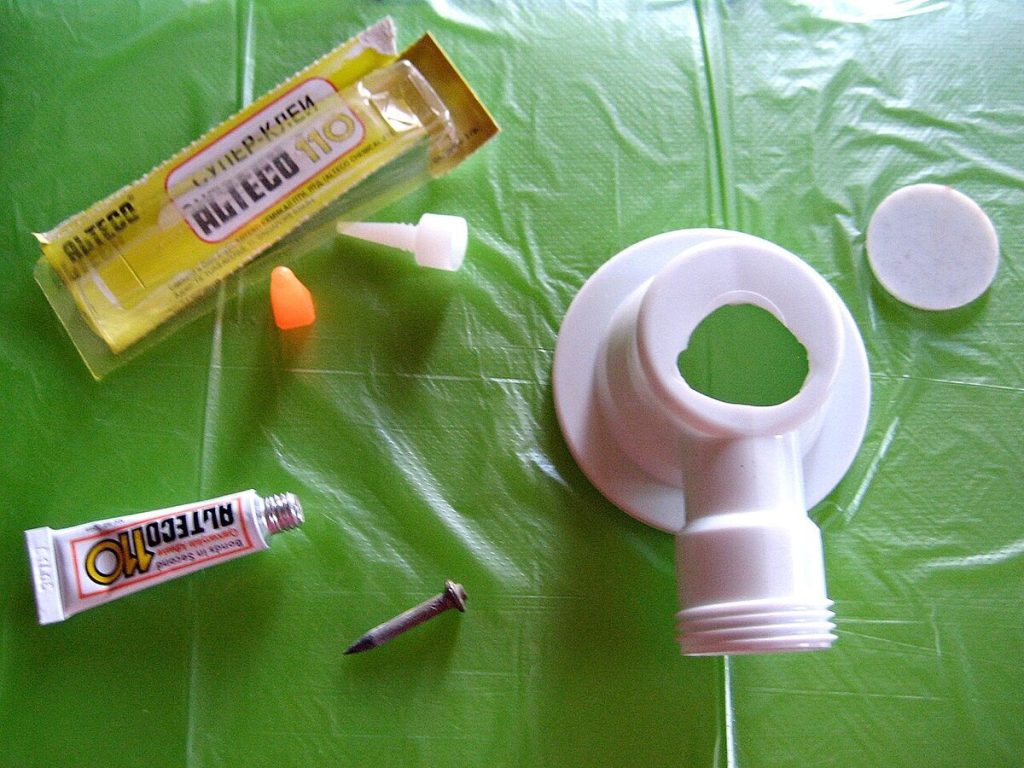
Super glue is based on cyanoacrylate, the same chemical family as some surgical skin adhesives. Stories of it being used to close small cuts in the kitchen, on the trail or in the workshop are common, which is why so many people search for the answer. But the two are not the same product. Medical adhesives are formulated to be used on skin and tested accordingly, whereas household glue may contain additives, set harder, release more heat and irritate tissue.
Risks of using household glue on a cut
- Irritation or burns. The glue can give off heat as it cures, which may sting or burn skin.
- Trapped bacteria. Sealing in dirt or germs makes infection more likely.
- Poor healing. A stiff, brittle layer can crack and reopen the wound when you move.
- Allergic reactions. Some people react to the ingredients, giving rashes or blisters.
- Accidental bonding. It can stick fingers, eyelids or other surfaces together.
- Hidden problems. A glued-over deep cut may need stitches or other care that gets delayed.
Medical skin glue versus household glue
| Feature | Medical skin adhesive | Household super glue |
|---|---|---|
| Made for skin | Yes, tested for wounds | No, intended for objects |
| Applied by | Trained clinician after cleaning and assessment | Anyone, often without cleaning |
| Heat when setting | Designed to minimise | Can be noticeable |
| Flexibility | Formulated to flex with skin | Can set hard and brittle |
| Suitable wounds | Clean, straight, low-tension cuts | Not recommended |
Better first aid for a minor cut
- Wash your hands with soap and water, or use clean gloves.
- Press a clean cloth or sterile dressing on the cut to control bleeding. Raise the limb if possible.
- Once bleeding eases, rinse the cut under clean running water to remove dirt.
- Pat dry around the wound with clean gauze.
- Cover with a plaster or sterile dressing. Sterile adhesive strips can help hold the edges of a small, shallow cut together.
- Change the dressing daily or when it gets wet or dirty.
- Watch for signs of infection over the next few days.
When to get medical help
Seek urgent help or call emergency services for heavy bleeding that will not stop after about 10 minutes of firm pressure, or if you suspect a deep wound, damage to tendons or nerves, or something stuck in the cut. Get medical advice promptly for:
- Cuts that are deep, long or have gaping edges.
- Wounds on the face, near the eyes, over a joint or on the hands.
- Animal or human bites.
- Wounds contaminated with soil, rust or other dirt, since tetanus protection may need checking.
- Cuts that show redness spreading, increasing pain, swelling, pus or fever.
- Any wound in someone with diabetes, a weak immune system or poor circulation.
The NHS provides clear guidance on cuts and grazes at nhs.uk, and a pharmacist can advise on dressings and when a wound needs more care.
What if you have already used super glue?
If you have glued a minor cut and it is clean, small and not bleeding, do not panic, but do not add more. Keep the area clean and dry and watch for redness, swelling, heat or pain. Do not pick at the glue; it will wear off as skin renews. If you are unsure, the wound is deep or you notice signs of infection, ask a medical professional to look at it. Do not try to peel off glue that has stuck skin together. Soak the area in warm, soapy water and gently roll it apart, and get medical advice if that fails, especially near the eyes.
Super glue stuck to skin in general
Glue on intact skin is a different problem from glue in a cut. Warm soapy water, time and gentle rubbing usually loosen it. Acetone-based products are sometimes used on skin to dissolve cyanoacrylate but can irritate, so patch-test cautiously or ask a pharmacist. Never force eyelids or lips apart. If you handle sharp tools regularly, such as when you work out how to sharpen clippers, keep a basic first aid kit at hand so you do not need to improvise.
Practical points for parents and for workshop accidents
Children collect cuts constantly, and parents often wonder whether a quick fix is acceptable. The same rules apply: wash gently, press to stop bleeding, cover with a child-friendly plaster, and avoid adhesives not intended for skin. Keep a small first aid kit at home, in the car and wherever you do DIY, with sterile dressings, adhesive strips, antiseptic wipes and clean gauze. In workshops, store glue away from children and keep the lid tightly on, since cyanoacrylate fuses skin and eyelids quickly. If glue gets in an eye, do not force it open; rinse gently with water and seek urgent medical help. Check that tetanus vaccination is up to date, because a deep or dirty cut is the moment when it matters.
Frequently asked questions
Can I use super glue on a small cut?
It is not advised. Household glue is not designed for wounds. Clean the cut and use a plaster or sterile strip instead.
What is the difference between super glue and medical glue?
Both involve cyanoacrylate, but medical glue is formulated and tested for use on skin, and is applied by trained staff to suitable wounds.
Does super glue burn the skin?
It can generate warmth as it cures and may irritate or burn, especially in larger amounts or on sensitive skin.
How do I remove super glue from skin?
Soak in warm soapy water and gently rub or peel it away. Do not force skin apart. See a pharmacist or doctor if it will not shift or it is near your eyes or mouth.
When should a cut get stitches or medical glue?
Deep, long, gaping or heavily bleeding cuts, and wounds in sensitive places, should be checked by a healthcare professional, who will decide on stitches, strips or medical adhesive.
Conclusion
Keep the super glue for the broken mug and treat cuts with proper first aid. Clean the wound, cover it, and ask a doctor or pharmacist whenever you are unsure, especially if the cut is deep, dirty or showing signs of infection.
Key takeaways about is super glue safe for cuts
Here is a short summary of is super glue safe for cuts so you can find the main points quickly.
- Super glue is based on cyanoacrylate, the same chemical family as some surgical skin adhesives.
- Seek urgent help or call emergency services for heavy bleeding that will not stop after about 10 minutes of firm pressure, or if you suspect a deep wound, damage to tendons or nerves, or something stuck in the cut.
- The NHS provides clear guidance on cuts and grazes at nhs.uk, and a pharmacist can advise on dressings and when a wound needs more care.
- If you have glued a minor cut and it is clean, small and not bleeding, do not panic, but do not add more.
Questions about is super glue safe for cuts are common, so it helps to compare more than one trustworthy source.
Use this page as a starting point for is super glue safe for cuts and come back to it when your situation changes.
Good decisions about is super glue safe for cuts come from checking the facts, comparing your options and taking your time.
Save this guide to is super glue safe for cuts so you can find it again whenever you need a quick reminder.
If you only remember one thing about is super glue safe for cuts, make it the practical steps covered in this guide.
Check official sources before acting on anything related to is super glue safe for cuts, because details can change over time.
Related reading:
- Autobahn No Speed Limit Map: Where Germany Has No Limit
- All That Glitters Tigard: Checking Reviews and Shopping Local
For general background, you can look up is super glue safe for cuts on Wikipedia.