If you are searching for a Helena car crash, the most reliable sources are official ones: local police and sheriff’s offices, the Montana Highway Patrol and the Montana Department of Transportation. Social media posts about crashes spread fast and are often wrong, so agency updates and confirmed local reporting are far better than rumours.
This guide does not describe any specific incident. It explains where to look for information, how to get a crash report, and what to do if you are ever involved in a collision in or around Helena, Montana.
Key takeaways
- Use official agencies and verified local news to confirm any crash, not unverified posts.
- Road closures and conditions are published by the Montana Department of Transportation.
- If you are in a crash, check for injuries, call 911 and exchange details before you leave the scene.
- Request your official crash report from the investigating agency, and keep copies of everything.
- Names are usually withheld until families have been informed.
Where to find reliable information
Which agency responded depends on where the crash happened:
- Montana Highway Patrol: handles many crashes on state highways and the interstate.
- Helena Police Department: covers city streets within Helena.
- Lewis and Clark County Sheriff’s Office: covers county roads and areas outside city limits.
- Montana Department of Transportation: publishes road closures, construction and weather-related conditions through its travel information service at mdt.mt.gov.
- Local news outlets: report notable incidents once details are confirmed.
Agencies often post updates on official websites and social media accounts for major incidents, and they may keep names confidential until next of kin are told. If you are trying to find out about a particular crash, a call to the non-emergency number of the relevant agency is usually more productive than scrolling online. Never call 911 for information; keep that line free for emergencies.
Road and weather conditions around Helena
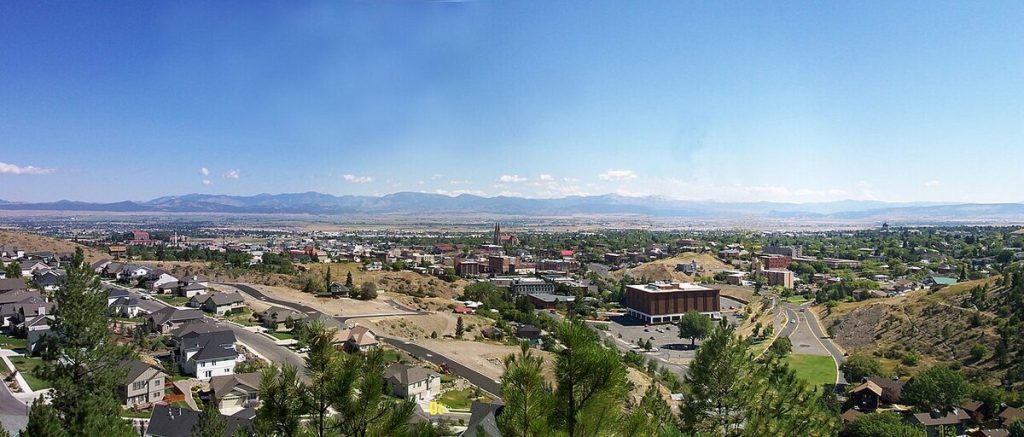
Helena is the capital of Montana and lies in a valley close to the Rocky Mountains. You can read general background on the city in the Wikipedia article on Helena. For drivers, the main points are the weather and the terrain. Winter brings snow, black ice and sudden changes in visibility, and mountain passes can close quickly. Summer has its own hazards, including wildlife on the road at dawn and dusk, road works and heavy holiday traffic.
Before a longer drive:
- Check the state travel information service for closures and conditions.
- Look at the weather forecast, including temperatures overnight.
- Make sure your tyres, wipers, lights and brakes are in good condition.
- Carry an emergency kit with a blanket, torch, water, snacks, a charger and a shovel in winter.
- Slow down, increase your following distance and avoid sudden braking on icy surfaces.
What to do if you are in a crash
At the scene
- Check for injuries. Call 911 immediately if anyone is hurt, if the road is blocked or if there is a hazard such as fuel leaking.
- Move to safety. If the vehicles can be driven and it is safe, move them out of traffic. Otherwise, stay in a safe place away from the road, and turn on your hazard lights.
- Do not admit fault. Share facts with the other driver and the officers, but leave decisions about fault to the investigation.
- Exchange information. Get names, phone numbers, insurance details, licence plate numbers and vehicle descriptions.
- Take photos. Record vehicle positions, damage, skid marks, road signs and weather conditions. Note any witnesses and get their contact details.
- Ask about the report. Get the officer’s name, agency and report or case number.
Afterwards
- See a doctor even if you feel fine. Some injuries, such as whiplash, may not show up for hours or days.
- Notify your insurer promptly, and follow their instructions for claims.
- Keep records of medical visits, repair estimates, lost work time and any conversations with other parties.
- Be careful about posting details online, since your posts can be used in disputes.
Getting a copy of a crash report
Crash reports are generally filed by the agency that responded. Contact that agency’s records department, and give them the date, location, names of those involved and the case number if you have it. Some agencies charge a fee or limit who can request the report, often drivers, owners, insurers and legal representatives. Processing times differ, so ask when it is likely to be ready.
| What you need | Where to ask |
|---|---|
| Report for a city street crash | Helena Police Department records |
| Report for a county road crash | Lewis and Clark County Sheriff’s Office |
| Report for a highway or interstate crash | Montana Highway Patrol |
| Road closure or condition updates | Montana Department of Transportation |
| Claim and repair guidance | Your insurer |
Check each agency’s official website for the current process and contact details, since procedures and fees can change.
Searching responsibly
When news of a collision breaks, it is natural to look up details, particularly if someone you know might be involved. Try to avoid sharing unconfirmed names or photographs, because families may not have been told. Wait for official information and let emergency services do their work.
If you are looking into public records more broadly, be sure to use official sources. Our guide to finding arrest records safely sets out the same cautious approach for another kind of public information. And if the crash left you with a dead battery or you are helping another driver, read our article on whether it is bad to jump start another car, which explains the risks and safe steps.
Frequently asked questions
Where can I find news about a recent Helena car crash?
Check official agency announcements, the Montana Department of Transportation for closures, and confirmed reports from established local news outlets.
Which agency do I contact for my crash report?
The agency that responded: Helena Police Department, the Lewis and Clark County Sheriff’s Office or the Montana Highway Patrol, depending on the location.
Should I call the police for a minor collision?
If anyone is hurt, the road is blocked, or there is a dispute, call 911. For minor crashes, check local rules on reporting requirements and notify your insurer.
How do I check road conditions before I drive?
Use the Montana Department of Transportation’s travel information service, and check the weather forecast before you set off.
Should I see a doctor after a minor crash?
Yes. Some injuries are delayed, and a medical record also helps if you make an insurance claim.
Conclusion
When you need information about a Helena car crash, go to official agencies and confirmed news, not rumours. If you are involved in one yourself, put safety first, document the scene, get the report and speak to your insurer and a doctor as soon as you can.
Key takeaways about helena car crash
Here is a short summary of helena car crash so you can find the main points quickly.
- If you are searching for a Helena car crash, the most reliable sources are official ones: local police and sheriff's offices, the Montana Highway Patrol and the Montana Department of Transportation.
- This guide does not describe any specific incident.
- Which agency responded depends on where the crash happened:
- Agencies often post updates on official websites and social media accounts for major incidents, and they may keep names confidential until next of kin are told.
Save this guide to helena car crash so you can find it again whenever you need a quick reminder.
If you only remember one thing about helena car crash, make it the practical steps covered in this guide.
Check official sources before acting on anything related to helena car crash, because details can change over time.
Questions about helena car crash are common, so it helps to compare more than one trustworthy source.
Related reading:
- How Far Is the Moon From Earth? Distance in Miles and km
- Bundt Pan Meaning: What It Is and How to Bake in One
For general background, you can look up helena car crash on Wikipedia.