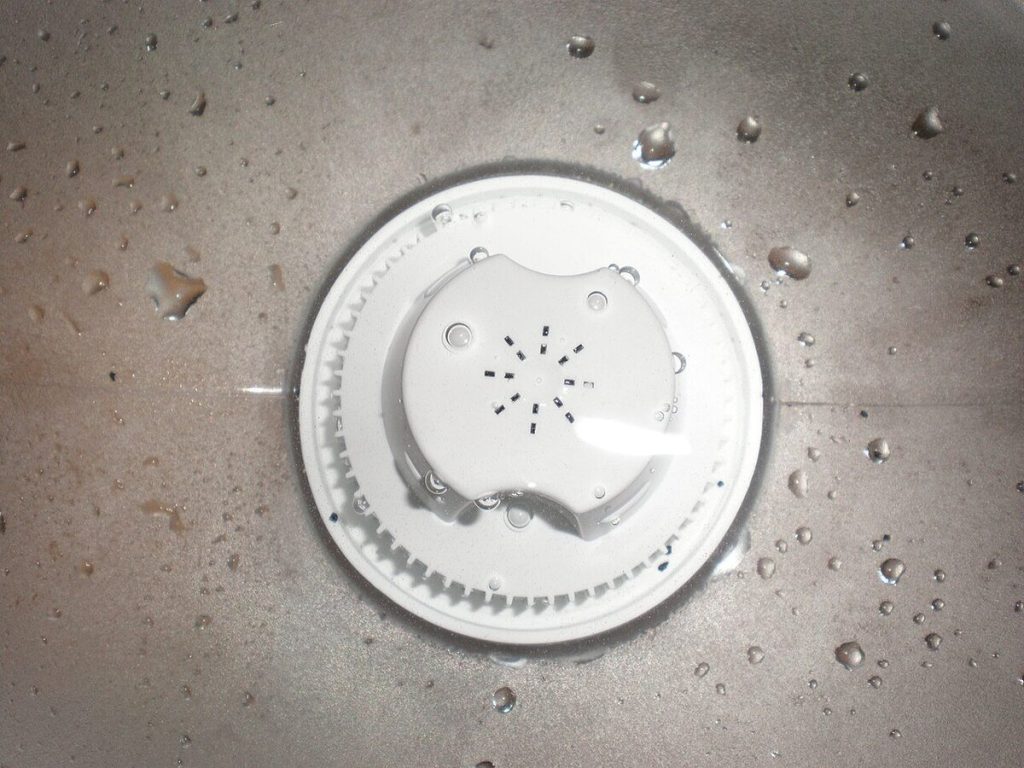
If you are asking how does brita pitcher work, the short answer is that tap water drains slowly through a replaceable filter cartridge that contains activated carbon and ion-exchange resin. The carbon traps chlorine and some organic compounds that affect taste and smell, while the resin swaps certain dissolved metals and hardness minerals for harmless ions. The result is water that usually tastes cleaner, though it is not a complete purifier. Here is how each part works, what the filter does not remove and how to look after it.
Key takeaways
- Gravity pulls water from the top reservoir through the filter into the jug below.
- Activated carbon improves taste and odour; ion-exchange resin reduces certain metals and limescale-forming minerals.
- A jug filter does not make unsafe water safe to drink, and it does not remove bacteria.
- Replace the cartridge on schedule and keep the jug clean.
The parts of a pitcher
A typical filter jug has two chambers. The upper reservoir is the one you fill from the tap. At its base, the filter cartridge sits in a socket. Below is the main jug, where filtered water collects, and a lid with a flap for filling. Nothing is powered; gravity does all the work. Because the water must pass through a bed of tightly packed filter material, the flow is slow, and a full reservoir may take a few minutes to drain. This contact time is important, because the filter media needs time to do their job.
What is inside the filter cartridge?
Activated carbon
Activated carbon is charcoal that has been treated to make it extremely porous. A tiny amount has a huge internal surface area, onto which molecules stick, a process called adsorption. This is what removes chlorine, which gives tap water a swimming-pool smell, as well as many organic compounds that cause unpleasant tastes. You can read about the material on the Wikipedia page for activated carbon.
Ion-exchange resin
The resin consists of tiny beads that hold ions. As water passes over them, the beads capture positively charged ions such as calcium, magnesium and some metals including copper, lead and zinc, and release hydrogen or other ions in exchange. This helps reduce limescale, which is why filtered water often leaves less scum in the kettle. See the Wikipedia article on ion exchange for the science. The exact contaminants a given cartridge is certified to reduce vary by model, so read the product details and test claims on the packaging.
Mesh and filter housing
Fine mesh or a non-woven layer keeps carbon granules from escaping into your water, and may catch small particles. Some cartridges have a wrap that traps loose carbon dust. When you first use a new filter, you may see a few black specks; flushing the filter as instructed usually clears them.
| Component | What it does | Helps with |
|---|---|---|
| Activated carbon | Adsorbs molecules | Chlorine taste, odour, some organics |
| Ion-exchange resin | Swaps ions | Limescale, some metals |
| Mesh/screen | Holds media in place | Prevents granules escaping |
What a Brita-style filter does not remove
A basic jug filter is designed to improve taste and reduce certain contaminants. It is not a water purifier. In general, you should not rely on it to remove bacteria, viruses or protozoa, and it does not turn unsafe water into safe water. It typically does not remove most dissolved salts, nitrates or fluoride either, although the exact performance depends on the cartridge. If your water supply has a boil-water notice, follow your local water supplier’s instructions: boil the water instead of relying on a jug.
If you are worried about lead in old pipes, contact your water company or local health department about testing, and use a filter certified for that purpose. Check which standards a cartridge meets, rather than assuming.
How to set up and use a pitcher
- Wash the jug, lid and reservoir with warm soapy water and rinse well.
- Soak the new cartridge in cold water for the time stated in the instructions, usually a few minutes, to wet the media.
- Fit the cartridge firmly into the socket so water cannot bypass it.
- Fill the reservoir with cold tap water and let it filter through. Throw away the first one or two jugfuls, as the instructions suggest.
- Use cold water only. Hot water can damage the filter and release trapped contaminants.
- Keep the jug in the fridge for a refreshing drink and to slow bacterial growth.
When to replace the filter
Filters wear out, because the carbon becomes saturated and the resin runs out of ions to swap. Many models are rated for about a month or two of typical use, or a given volume, with some longer-life versions. Many jugs have an electronic indicator or a manual dial. If you cannot see one, mark the date on your calendar. A neglected filter can stop working effectively and, in a warm kitchen, may harbour bacteria.
Signs it is time for a new cartridge include slower or faster flow than usual, a change in taste or odour, more limescale in the kettle and, of course, a reminder from the jug. If you are going away for a long period, empty the jug and keep the cartridge in the fridge or follow the manufacturer’s advice.
Cleaning and care tips
- Wash the jug and lid regularly, ideally weekly, with mild detergent. Avoid abrasive cleaners that scratch plastic.
- Do not wash the cartridge with soap.
- Change the water in the jug daily if it is not being used up.
- Do not put the jug in the dishwasher unless the instructions say it is safe.
- Recycle used cartridges where a scheme is available, as some manufacturers offer take-back programmes.
Timekeeping matters with filters, and our explainer on the actual days in a year may help when planning replacement dates. For something quite different, see the life cycle of a tiger.
Frequently asked questions
Does a Brita pitcher make water safe to drink?
No. It improves taste and reduces some contaminants but is not designed to disinfect unsafe water.
Why does my filter jug water look cloudy?
Tiny air bubbles often cause cloudiness and clear after a minute. Carbon dust can also cause specks in a new filter, which a thorough flush usually fixes.
Can I use hot water in a Brita?
No. Use cold water only, as hot water can damage the cartridge.
How often should I change the filter?
Follow the instructions for your model. Many standard filters are replaced roughly every month or two, and longer-life ones less often.
Is filtered water better than tap water?
Many people prefer the taste, and it can reduce scale. Tap water in many countries is already tested for safety, so a filter is a matter of preference.
Conclusion
Knowing how does brita pitcher work helps you use it properly: carbon improves taste, resin tackles scale and some metals, and gravity does the rest. Keep expectations realistic, change the cartridge on time and keep the jug clean, and it will quietly improve your everyday drinking water.
Key takeaways about how does brita pitcher work
Here is a short summary of how does brita pitcher work so you can find the main points quickly.
- If you are asking how does brita pitcher work, the short answer is that tap water drains slowly through a replaceable filter cartridge that contains activated carbon and ion-exchange resin.
- Activated carbon is charcoal that has been treated to make it extremely porous.
- The resin consists of tiny beads that hold ions.
- Fine mesh or a non-woven layer keeps carbon granules from escaping into your water, and may catch small particles.
Save this guide to how does brita pitcher work so you can find it again whenever you need a quick reminder.
If you only remember one thing about how does brita pitcher work, make it the practical steps covered in this guide.
Check official sources before acting on anything related to how does brita pitcher work, because details can change over time.
Questions about how does brita pitcher work are common, so it helps to compare more than one trustworthy source.
Use this page as a starting point for how does brita pitcher work and come back to it when your situation changes.
Good decisions about how does brita pitcher work come from checking the facts, comparing your options and taking your time.
Related reading:
- Air Fryer Ribs Reheat: Juicy Leftovers in 15 Minutes
- Grams in Half a Pound: Converting a Pound Explained
For general background, you can look up how does brita pitcher work on Wikipedia.