Is eating tripe good for you? In moderation, often yes. Tripe, the edible lining of an animal’s stomach, is a source of protein and some minerals, and it is relatively low in fat, but it also contains cholesterol and must be cleaned and cooked carefully. It suits many people as an occasional dish, though not everyone should eat it freely.
Key takeaways
- Tripe is a low-fat, protein-rich offal that provides minerals such as zinc, selenium and some B vitamins.
- It contains dietary cholesterol and often comes with salty sauces or added fat, so portion and preparation matter.
- People with gout, high cholesterol or kidney problems should ask a doctor or dietitian first.
- Always buy from a reputable source, cook thoroughly and refrigerate leftovers promptly.
What tripe is
Tripe is most commonly taken from the stomach of cattle, though sheep and pigs are also used. Several types exist, including honeycomb, blanket and book tripe, named for their texture. It features in many traditional dishes worldwide, such as menudo in Mexico, trippa alla fiorentina in Italy, and tripe and onions in northern England. You can read more about its cultural background on Wikipedia.
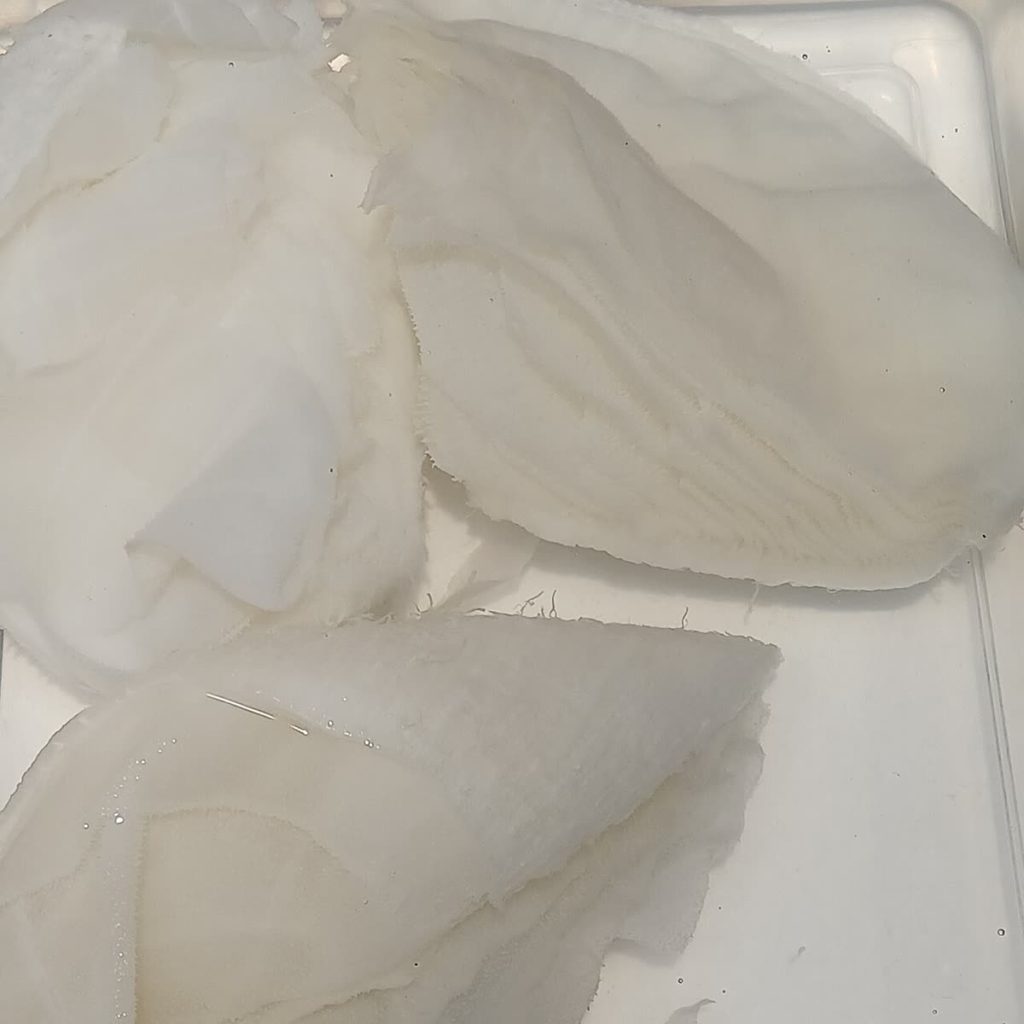
In the UK, butchers typically sell tripe that has been cleaned, bleached and partly boiled, often described as dressed tripe. It is pale and rubbery until it is cooked further.
Is eating tripe good for you? Nutrition basics
Exact values depend on the animal, the type of tripe and how it is prepared, so check labels or a trusted nutrition database for specifics. In general terms:
| Nutrient | What tripe generally offers | Why it matters |
|---|---|---|
| Protein | A decent amount for its calories | Supports muscle and repair |
| Fat | Relatively low in plain, cooked tripe | Helps keep calories modest |
| Zinc and selenium | Useful amounts | Immunity and antioxidant systems |
| Vitamin B12 | Present | Nerve function and red blood cells |
| Cholesterol | Contains dietary cholesterol | Relevant for those told to limit it |
| Sodium | Depends on preparation | Canned or sauced versions can be salty |
Tripe is not a superfood. It is simply an inexpensive, nutrient-dense cut that fits into a varied diet. If you are thinking about claims for other foods, our piece on what lychee can and cannot do for skin takes a similar balanced view.
Possible benefits
- Protein for few calories: helpful when you want filling food without much fat.
- Budget-friendly: offal is often cheaper than steak or chicken breast.
- Reduces food waste: using more of the animal is more sustainable.
- Cultural and culinary variety: it brings flavours and traditions from many cuisines.
Cautions and who should be careful
Cholesterol and heart health
Tripe has dietary cholesterol, though for most people, saturated fat intake affects blood cholesterol more than dietary cholesterol does. If you have been advised to manage cholesterol, ask your GP or dietitian how much offal fits your plan.
Gout and purines
Offal is generally high in purines, which can raise uric acid and trigger gout flare-ups in susceptible people. If you have gout, check with your doctor before eating tripe regularly.
Sodium
Canned tripe, pickled tripe and rich sauces can add a lot of salt. Compare labels and choose lower-sodium options where possible.
Pregnancy, young children and medical conditions
Follow official advice for your situation. The NHS website has general guidance on diet and food safety, and a pharmacist or doctor can advise on conditions such as kidney disease.
How to buy and prepare tripe safely
- Buy from a reputable butcher or supermarket. Look for fresh, clean-smelling tripe with no sliminess or off odours.
- Check the label. Note whether it is dressed or raw, and follow storage instructions and use-by dates.
- Rinse under cold water. Raw offal needs careful handling. Use a separate board and wash hands, knives and surfaces afterwards.
- Cut into strips or pieces. Smaller pieces cook more evenly.
- Simmer until tender. Dressed tripe typically needs one to two hours in a seasoned liquid, while raw tripe takes much longer. It should be tender with no rubbery bite.
- Cool and chill leftovers within two hours. Eat them within a few days and reheat until piping hot.
Popular ways to cook tripe
- Tripe and onions: simmered in milk with onions, a classic British comfort dish.
- Menudo: a Mexican soup with chillies and hominy.
- Trippa alla fiorentina: cooked in tomato sauce with herbs and cheese.
- Stir-fries and soups: common across Asian cuisines, often with ginger and garlic.
Like other tough cuts, tripe benefits from slow cooking. If you enjoy learning cooking methods, see our guide on how to tenderise pork for ideas that carry over to other meats.
How often can you eat it?
There is no official portion rule specific to tripe, but treating it as an occasional meal within a varied diet is sensible. Balance it with vegetables, whole grains and pulses, and watch added salt and fat in sauces.
Buying tips and storage
Tripe is best bought fresh from a butcher, or in sealed, chilled packs from a supermarket. Keep it at fridge temperature, below 5 C in the UK, and use it by the date on the label. If you freeze it, wrap it tightly and label it, and defrost in the fridge, not on the worktop. Once cooked, cool quickly and store in a covered container.
Making tripe dishes healthier
- Choose simple cooking liquids such as stock, tomatoes or water rather than cream or heavy fat.
- Add plenty of vegetables, such as onions, carrots, celery and peppers, to improve fibre and balance.
- Use herbs, garlic, chilli and lemon for flavour instead of extra salt.
- Serve with potatoes, beans or whole grains, and a green side.
These small changes help the dish fit a balanced eating pattern while keeping the traditional flavours that make tripe so popular in so many food cultures.
Frequently asked questions
Is tripe healthy?
It can be, in moderation. It offers protein and minerals with relatively little fat, but it contains cholesterol and can be salty depending on preparation.
Does tripe taste strong?
Plain tripe has a mild flavour and a chewy texture, so most of the taste comes from the seasoning and sauce.
Is tripe safe to eat?
Yes when bought from a reputable source, handled hygienically and cooked thoroughly.
Can people with gout eat tripe?
Offal is high in purines, so ask a doctor or dietitian before including it in your diet.
How long does cooked tripe keep?
Refrigerate promptly and eat within about three to four days, reheating until steaming hot. Freeze for longer storage.
Conclusion
Tripe can be a nutritious, affordable and traditional food when eaten sensibly. Buy it from a trusted source, cook it well, watch the salt, and talk to a doctor or dietitian if you have gout, high cholesterol or other health concerns. Visit the NHS website for general healthy eating guidance.
Key takeaways about is eating tripe good for you
Here is a short summary of is eating tripe good for you so you can find the main points quickly.
- Tripe is most commonly taken from the stomach of cattle, though sheep and pigs are also used.
- In the UK, butchers typically sell tripe that has been cleaned, bleached and partly boiled, often described as dressed tripe.
- Exact values depend on the animal, the type of tripe and how it is prepared, so check labels or a trusted nutrition database for specifics.
- Tripe has dietary cholesterol, though for most people, saturated fat intake affects blood cholesterol more than dietary cholesterol does.
Check official sources before acting on anything related to is eating tripe good for you, because details can change over time.
Questions about is eating tripe good for you are common, so it helps to compare more than one trustworthy source.
Use this page as a starting point for is eating tripe good for you and come back to it when your situation changes.
Good decisions about is eating tripe good for you come from checking the facts, comparing your options and taking your time.
Save this guide to is eating tripe good for you so you can find it again whenever you need a quick reminder.
If you only remember one thing about is eating tripe good for you, make it the practical steps covered in this guide.
Related reading:
- Organs in the Lower Back, Left Side: What Lies Behind the Pain
- What Is Burnt Rice Called? Socarrat, Tahdig, Nurungji and More
For general background, you can look up is eating tripe good for you on Wikipedia.