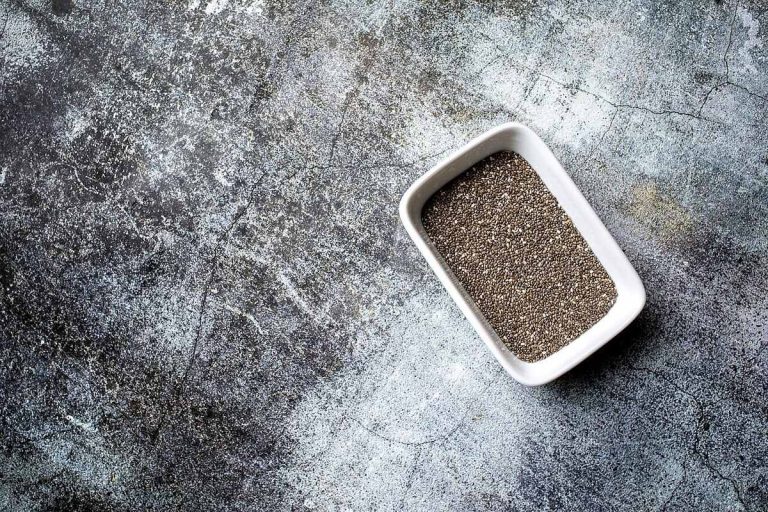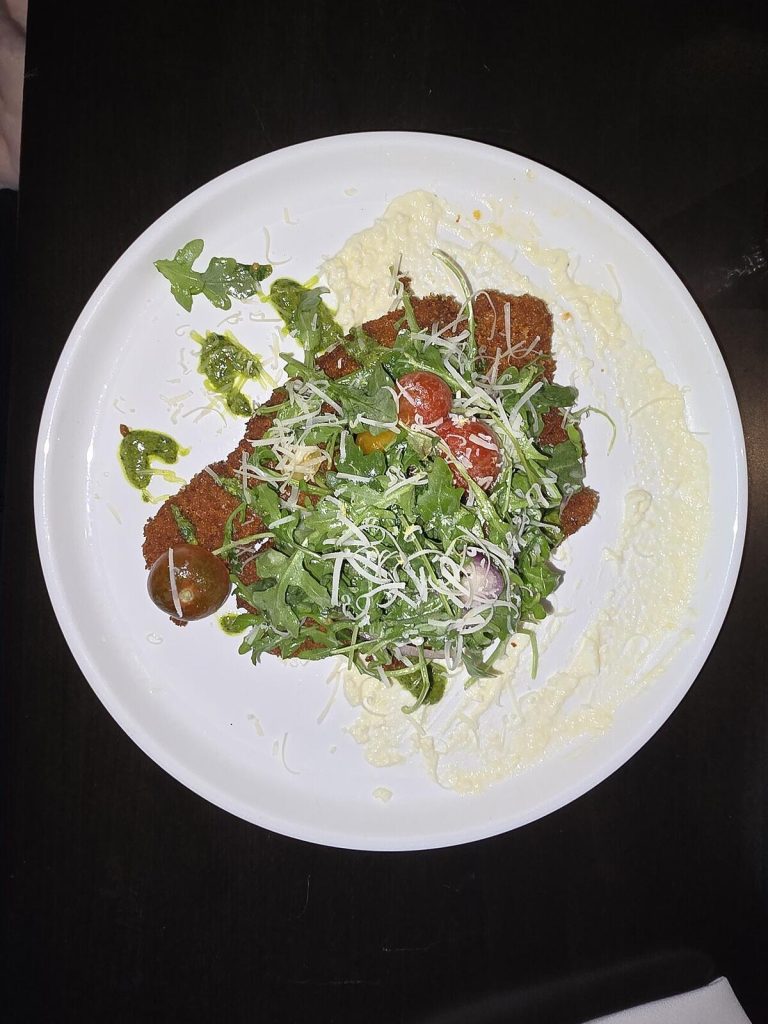
Short answer: do panko breadcrumbs go bad? Yes, eventually, but they last a long time if you keep them dry. Panko rarely becomes unsafe overnight. It gets stale, loses crunch, and can eventually develop an off smell, a musty taste or mould if moisture gets in.
Key takeaways
- Unopened panko usually stays good well past its best-before date if kept cool and dry, but quality slowly drops.
- Once opened, reseal tightly, and use within a few months for best crunch.
- Throw it away if it smells musty, looks damp, clumps or shows mould.
- Freezing extends life, and you can crisp up stale panko in a dry pan or oven.
What panko is and why it behaves differently
Panko is a Japanese-style breadcrumb made from crustless bread that is processed into light, airy flakes, and it fries up much crunchier than standard fine crumbs. You can read more about it on Wikipedia. The same airy structure that makes it so crisp also makes it quick to absorb moisture and odours from the air, so storage matters more than the calendar.
How long panko breadcrumbs last
The figures below are practical guidelines, not guarantees. Always follow the best-before date on your pack as a baseline, then use your senses.
| Storage | Typical quality window | Notes |
|---|---|---|
| Unopened, pantry | Until the best-before date, and often a while beyond | Keep away from heat and humidity |
| Opened, pantry, sealed well | A few months for best crunch | Use an airtight container or clip the bag shut |
| Opened, fridge | Several months | Risk of condensation if not sealed |
| Freezer | Many months | Best for long-term storage, and flakes stay loose |
| Cooked or seasoned mixtures | Treat as a perishable food | Follow food safety guidance for the other ingredients |
A best-before date is about quality rather than safety. Dry foods can be perfectly safe after that date, though the flavour and texture may be disappointing.
Signs that panko has gone bad
Look, smell and feel before you use it.
- Smell: Fresh panko smells faintly of bread. A sour, musty, stale-oil or chemical smell means throw it out.
- Appearance: Any fuzzy spots, green, blue or black specks, or a pink or grey tinge are mould.
- Texture: Clumps, damp patches or a soft, chewy feel mean moisture has got in.
- Pests: Tiny webbing, moths or beetles in the bag mean it is time to bin it.
- Taste: A bitter or rancid flavour means it should not be used.
If the panko is dry, smells normal and just seems a bit less crisp, it is probably safe, and you can revive it as described below.
Do panko breadcrumbs go bad faster once opened?
Yes, because air, humidity and the odd stray crumb of moisture start working on the flakes. Fats in the bread can also oxidise over time and give a stale flavour. To slow this down, close the bag as tightly as you can, and consider moving the crumbs to a jar or tub with a tight lid once the pack is open.
Best ways to store it
- Pour panko into an airtight container, preferably with a rubber seal.
- Store it in a cool cupboard away from the hob, oven and sink.
- Label the container with the date you opened it.
- Use a clean, dry spoon, not a damp one.
- For long storage, freeze it in a freezer bag with the air squeezed out.
Freezing and reviving panko
Frozen panko does not clump much, so you can scoop out what you need straight from the bag. Let it come to room temperature for a few minutes to avoid condensation, then use it as normal.
To restore crunch to stale but not spoiled panko, spread it on a baking tray and bake at around 160 degrees Celsius, 325 Fahrenheit, for five to eight minutes, stirring once. You can also toast it in a dry frying pan over medium heat with a small amount of butter or oil, stirring until golden. This has the bonus of adding flavour, and toasted panko is great sprinkled over pasta bakes, soups or vegetables.
Using up panko before it is stale
If a pack is sitting open in the cupboard, use it in more recipes than just cutlets.
- Coat chicken, pork, fish or aubergine slices, either fried or baked.
- Sprinkle toasted panko over mac and cheese or a vegetable gratin.
- Mix with herbs and parmesan for a topping on baked tomatoes.
- Use as a binder in meatballs or crab cakes.
- Add crunch to salads, soups and roast vegetables.
If you are cooking with other leftovers or pantry staples, you may also like our guides to reheating risotto the next day, how long mushrooms last in the fridge and the best way to toast pine nuts, which all follow the same principle: store carefully, check your senses and cook properly.
Food safety notes
Dry breadcrumbs are low-risk food, but raw meat coated in crumbs must be cooked all the way through. Never reuse crumbs that have touched raw chicken or eggs. If someone in your household has coeliac disease or a wheat allergy, remember that standard panko is made from wheat, so look for a gluten-free version and store it separately. For general food safety advice, the Food Standards Agency is a good starting point.
Frequently asked questions
Do panko breadcrumbs go bad if unopened?
Eventually, yes, but an unopened pack kept cool and dry can stay good for a long time, often past its best-before date. Check smell and appearance.
How can I tell if panko has gone off?
Musty or sour smell, clumps, damp patches, mould or insects are all warning signs.
Is it safe to eat panko past its best-before date?
If it is dry, smells normal and shows no mould or pests, it is usually safe, but the crunch may be reduced.
Can I freeze panko?
Yes. Freeze it in an airtight bag and use it straight from frozen or after a few minutes at room temperature.
How do I make stale panko crunchy again?
Bake it on a tray at about 160 C for five to eight minutes or toast it in a dry pan, stirring until golden.
Conclusion
So, do panko breadcrumbs go bad? They do, but slowly, and good storage extends their life. Keep them dry, sealed and away from heat, check by sight and smell, and toast stale crumbs back to life rather than waste them.
Key takeaways about do panko breadcrumbs go bad
Here is a short summary of do panko breadcrumbs go bad so you can find the main points quickly.
- Panko is a Japanese-style breadcrumb made from crustless bread that is processed into light, airy flakes, and it fries up much crunchier than standard fine crumbs.
- The figures below are practical guidelines, not guarantees.
- A best-before date is about quality rather than safety.
- Look, smell and feel before you use it.
Save this guide to do panko breadcrumbs go bad so you can find it again whenever you need a quick reminder.
If you only remember one thing about do panko breadcrumbs go bad, make it the practical steps covered in this guide.
Check official sources before acting on anything related to do panko breadcrumbs go bad, because details can change over time.
Related reading:
- Plaid With Venmo: How Bank Linking and Verification Works
- Mugshots St Augustine: How Public Arrest Records Work
For general background, you can look up do panko breadcrumbs go bad on Wikipedia.