What does a pint equal? In the US, a liquid pint equals 16 US fluid ounces, 2 cups or about 473 millilitres. In the UK, an imperial pint is bigger: 20 imperial fluid ounces, or about 568 millilitres. Which of those you need depends on where your recipe, drink or container comes from, so the first job is to find out the country.
Key takeaways
- US liquid pint = 16 US fl oz = 2 US cups = about 473 ml.
- UK imperial pint = 20 imperial fl oz = about 568 ml, roughly 20 per cent larger.
- A US dry pint (used for berries) is about 551 ml and is not interchangeable with a liquid pint.
- When the source is unclear, convert everything to millilitres and weigh ingredients where you can.
A US pint in kitchen units
American recipes and measuring jugs lean heavily on cups and spoons, so this table covers the conversions most often needed at the worktop.
| One US liquid pint equals | Amount |
|---|---|
| Fluid ounces | 16 fl oz |
| Cups | 2 cups |
| Tablespoons | 32 tbsp |
| Teaspoons | 96 tsp |
| Millilitres | about 473 ml |
| Litres | about 0.47 L |
| Quarts | half a quart |
So if a recipe asks for a pint of cream, measure two cups. A half pint is one cup, or 8 fluid ounces, and a quarter pint is half a cup. That is helpful when your jug is marked in cups but the carton, or the recipe, speaks in pints. For half-pint questions in particular, see our separate guide on how many ounces are in a half pint.
The British pint is a different size
A pint in Britain, whether it is beer in a pub or milk on the doorstep, is the imperial pint: 20 imperial fluid ounces, about 568 ml. It is one eighth of an imperial gallon. Because an imperial fluid ounce is slightly smaller than a US fluid ounce (about 28.4 ml against about 29.6 ml), the numbers do not line up neatly. Overall, the imperial pint is about 20 per cent larger than the US pint, which explains why a British pub pint looks generous to an American visitor.
Modern UK recipes mostly use metric, so you may see 570 ml in place of a pint. That is just a rounded imperial pint. Older British cookbooks, on the other hand, may use pints and fluid ounces without telling you, and they assume the imperial version.
Dry pints and why they are separate
American supermarkets sell cherry tomatoes, blueberries and strawberries in dry pint baskets. A US dry pint is about 551 ml, which is a little larger than the liquid pint, and it measures volume of produce, not weight. A dry pint of blueberries does not weigh the same as a dry pint of cherry tomatoes. If a recipe says one pint of berries, a punnet of roughly that size is fine, but if you are baking and want accuracy, a scale gives a better answer. Our article on the US dry pint in ounces goes into this further.
Scaling a recipe between pints, cups and millilitres
If you need to adapt a recipe from another country, this simple routine avoids most errors.
- Work out the origin of the recipe: US, UK, Australian or something else. Look at the spelling, the oven temperature units and the measures used.
- Convert each liquid measure to millilitres using the table above or the factors 473 ml (US pint) and 568 ml (imperial pint).
- Multiply or divide for the number of servings you want.
- Measure in a clear jug on a flat surface, reading the level at eye height.
- Taste and adjust. Sauces and soups are forgiving, but bread dough and sponge batters are not.
Take a worked case: a US soup recipe wants 3 pints of stock. That is 3 x 473 = 1,419 ml, or about 1.4 litres. Reading it as British pints would give 1,704 ml, almost 300 ml too much, and the soup would come out thin.
Memory tricks
- Two cups to a pint, two pints to a quart, four quarts to a gallon.
- The old rhyme “a pint’s a pound the world around” works roughly for water in US measure, where a pint of water weighs a little over one pound. It does not hold for the imperial pint, or for liquids such as honey and oil.
- For a rough metric answer, think “half a litre” for either pint, while remembering that the imperial one is just over.
Reading labels and glassware
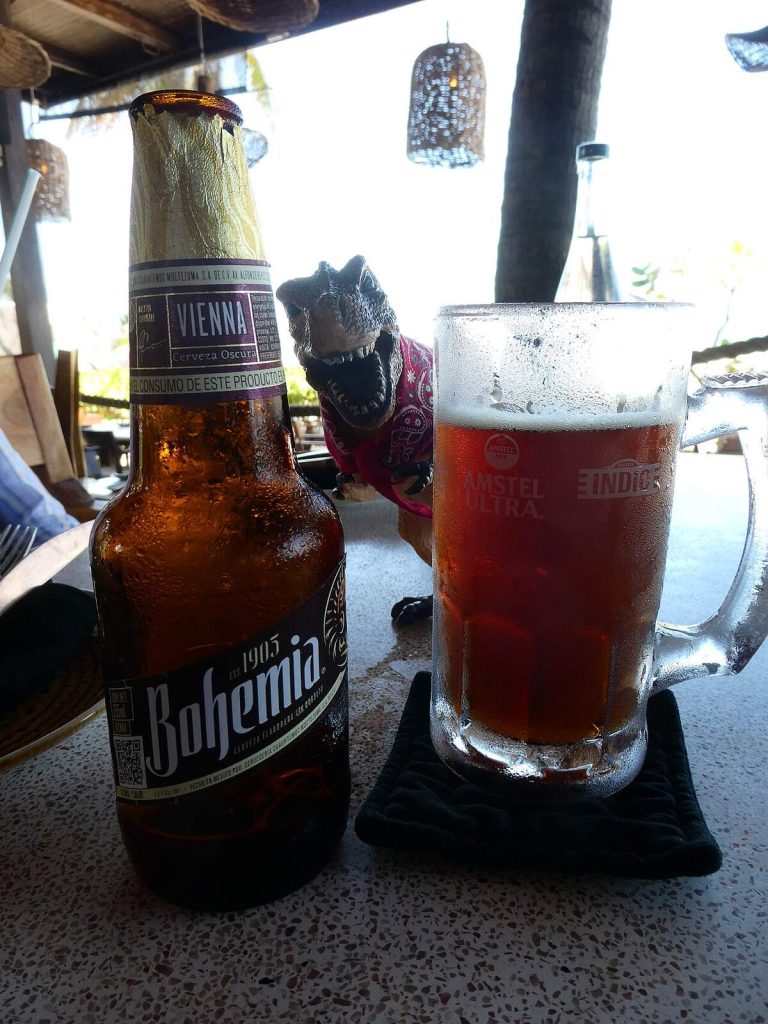
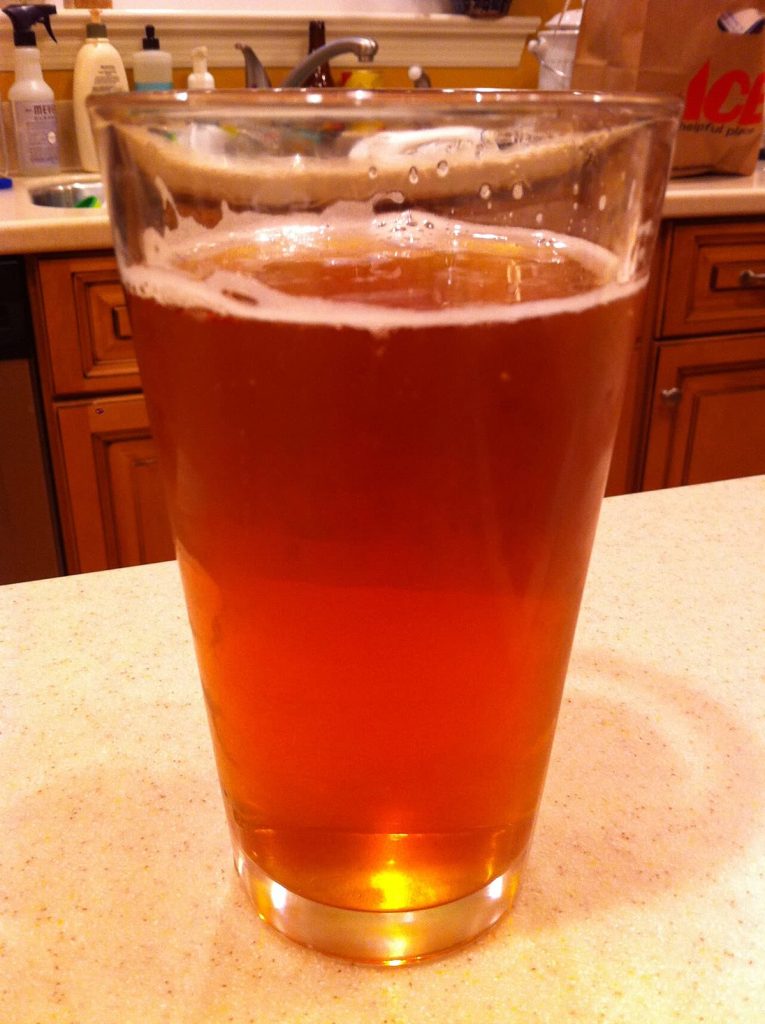
Packaging can add to the confusion. A bottle marked 473 ml is a US pint, while one marked 568 ml or 570 ml is an imperial pint. Pub glasses in the UK carry a line or a crown stamp showing the measure, but American pint glasses are not regulated in the same way, so a “pint” of beer may fall short of 16 ounces once you allow for the foam. Cocktail shakers and pint-style tumblers often hold more than 16 ounces when brimful, which is another reason to rely on a measuring jug in the kitchen and not on a glass you happen to have to hand.
When accuracy really matters
For stew or lemonade, a few millilitres either way will not matter. For baking, canning, brewing and anything involving safety margins, use the proper unit and a good measuring tool. Weighing ingredients on a kitchen scale beats volume measures every time. Never use kitchen measures for children’s liquid medicine; use the dosing syringe or cup that comes with it and follow the instructions from a pharmacist or doctor.
For official definitions of units, the US National Institute of Standards and Technology publishes reference material at nist.gov, and there is a clear overview of the unit at Wikipedia’s pint page.
Frequently asked questions
How many ounces are in a pint?
There are 16 fluid ounces in a US pint and 20 imperial fluid ounces in a UK pint.
Is a pint two cups?
In US measure, yes. A UK pint is roughly 2.4 US cups, so do not use the cup rule for British recipes.
Is a pint of ice cream the same as a pint of milk?
By volume they are both 16 US fluid ounces, but the tub of ice cream contains air and different solids, so the weights differ.
How many millilitres are in a pint?
About 473 ml for a US liquid pint and about 568 ml for an imperial pint. Many people round the latter to 570 ml.
Can I use a US pint in place of an imperial pint?
Not without adjusting. A recipe designed for 568 ml will be about a fifth short if you use 473 ml, so scale it or convert to millilitres first.
Conclusion
A pint is only a reliable measure once you know whose pint it is. Remember 16 ounces and 473 ml for the American one, 20 ounces and 568 ml for the British one, and convert to millilitres whenever the source is unclear.
Key takeaways about what does a pint equal
Here is a short summary of what does a pint equal so you can find the main points quickly.
- American recipes and measuring jugs lean heavily on cups and spoons, so this table covers the conversions most often needed at the worktop.
- So if a recipe asks for a pint of cream, measure two cups.
- A pint in Britain, whether it is beer in a pub or milk on the doorstep, is the imperial pint: 20 imperial fluid ounces, about 568 ml.
- Modern UK recipes mostly use metric, so you may see 570 ml in place of a pint.
Good decisions about what does a pint equal come from checking the facts, comparing your options and taking your time.
Save this guide to what does a pint equal so you can find it again whenever you need a quick reminder.
If you only remember one thing about what does a pint equal, make it the practical steps covered in this guide.
Check official sources before acting on anything related to what does a pint equal, because details can change over time.
Questions about what does a pint equal are common, so it helps to compare more than one trustworthy source.
Use this page as a starting point for what does a pint equal and come back to it when your situation changes.
Related reading:
- Stanford Transfer Acceptance Rate: What to Expect
- RN vs LVN Scope of Practice: Key Differences Explained
For general background, you can look up what does a pint equal on Wikipedia.