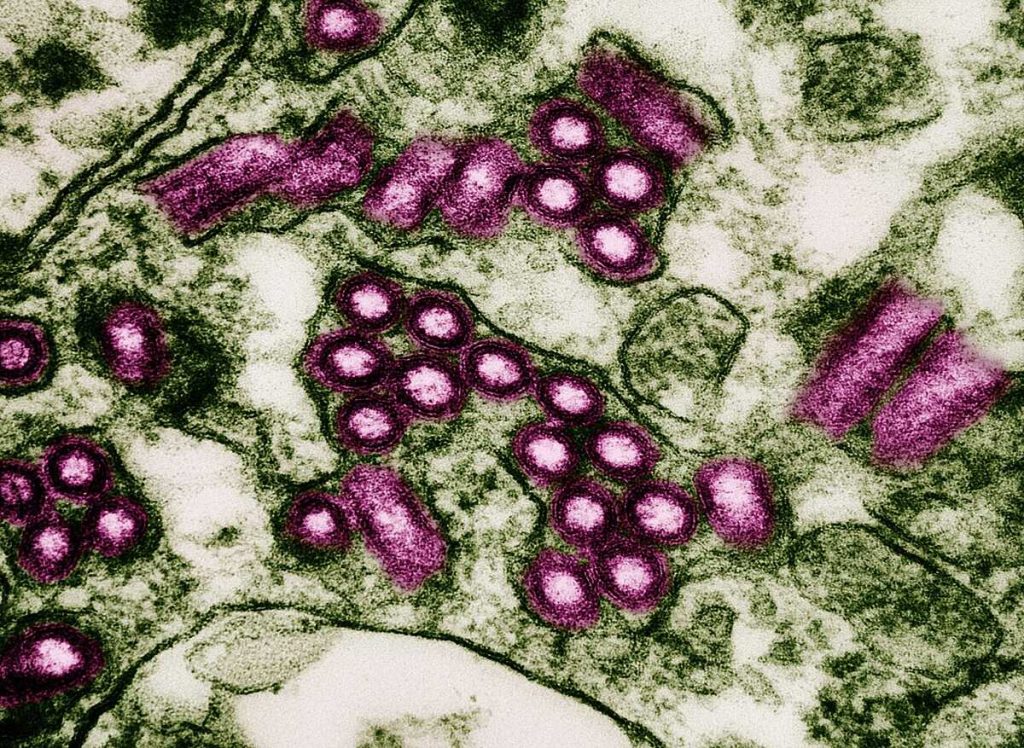
Is rabies airborne? In ordinary life, no. Rabies spreads almost entirely when the saliva of an infected animal gets into a wound or onto the moist lining of the eyes, nose or mouth, most often through a bite. It does not drift through the air like flu. If you think you may have been exposed, though, seek medical advice straight away, because rabies is preventable after exposure but almost always fatal once symptoms appear.
Key takeaways
- Rabies is spread mainly through bites and scratches from infected mammals, not through the air.
- Airborne transmission has been reported only in extreme settings, such as dense bat caves or laboratory accidents.
- Any bite, scratch or saliva contact from a possibly rabid animal needs urgent medical advice.
- Prompt wound washing and post-exposure treatment are highly effective when started in time.
How rabies is usually transmitted
Rabies is caused by a virus that attacks the nervous system. It is carried in the saliva of infected mammals. The most common route by far is a bite that breaks the skin and carries saliva into the wound. Scratches contaminated with saliva and licks on broken skin, or on the eyes, nose or mouth, can also pose a risk.
Dogs are the main source of human rabies in many parts of the world, including parts of Asia and Africa. In other regions, wildlife such as bats, foxes, raccoons and skunks are more important. The exact picture depends on the country, so local health authorities are the best source for what applies where you live or travel.
So, is rabies airborne in any situation?
The honest answer is that airborne spread is extremely rare and not a concern for ordinary people. There are a very small number of documented or suspected cases linked to unusual conditions, such as exploring caves where huge numbers of bats roost, or laboratory work that produced fine aerosols of the virus. These are exceptions, not how people catch rabies day to day.
You will not catch rabies from being in the same room as an infected person, from touching intact skin, from a cough or sneeze, or from sharing a meal. Person-to-person transmission is exceptionally rare, with a handful of cases linked to organ or tissue transplants from infected donors.
What counts as a rabies exposure?
Health services tend to sort exposures by risk. This table is a simplified guide for understanding, not a substitute for medical advice.
| Type of contact | Risk level | What to do |
|---|---|---|
| Bite that breaks the skin | High | Wash the wound and get urgent medical advice |
| Scratch that draws blood | Moderate to high | Wash and seek advice |
| Saliva on broken skin | Moderate to high | Wash thoroughly and seek advice |
| Saliva in eyes, nose or mouth | Moderate to high | Rinse and seek advice |
| Touching an animal on intact skin | Very low | Wash hands, no treatment usually needed |
| Bat in the room with no known contact | Uncertain | Ask a health professional, especially if you were asleep |
Bats deserve a special mention. Their teeth are tiny, and a bite can be hard to notice, particularly if someone was asleep or a child could not report it. If a bat was found in a bedroom, health authorities often advise a medical review.
What to do after a bite or scratch
- Wash the wound immediately. Use soap and running water for at least 15 minutes. This simple step reduces the amount of virus in the wound.
- Apply an antiseptic such as iodine solution or another product recommended locally, if available.
- Seek medical help promptly. A health professional will assess your risk and may start post-exposure treatment, which usually includes a series of rabies vaccine doses and, in some cases, rabies immunoglobulin.
- Note details about the animal. Where it happened, what animal it was, whether it was a pet, and if its owner is known. Do not try to capture a wild or aggressive animal yourself.
- Report the incident to local animal control or public health authorities where appropriate.
Do not wait for symptoms. Once rabies symptoms begin, the disease is nearly always fatal, whereas treatment started soon after exposure is highly effective.
Symptoms and incubation
The time between exposure and symptoms can range from a few weeks to several months, and occasionally longer. It depends on factors such as where the bite is and how much virus entered. Early signs may include fever, headache, tingling or itching at the bite site and general malaise. Later signs can include anxiety, confusion, agitation, fear of water and excess saliva. The NHS rabies page gives a plain-English overview of symptoms and treatment.
Prevention for travellers and pet owners
If you are travelling to a country where rabies is present in dogs or other animals, speak to a travel health clinic well before you go. Pre-exposure vaccination can simplify treatment if you are later bitten, though you would still need medical care. Avoid petting stray animals, particularly dogs and monkeys, and teach children not to approach unfamiliar animals.
For pets, keep vaccinations up to date where they are recommended or required, and supervise dogs and cats outdoors in regions where wildlife rabies exists. For background on how the virus is classified and distributed, Wikipedia’s rabies article is a useful overview, though local health guidance should always take priority.
If you are interested in other topics where common beliefs are a bit off, our explainer on convex lens examples takes a similar approach: clear answers first, details after.
Frequently asked questions
Can you get rabies from the air in a house with a bat?
Airborne spread is not a realistic concern in a normal home. The concern is a bite or scratch you might not have noticed. If you woke up with a bat in the room, ask a health professional for advice.
Can rabies spread through unbroken skin?
Generally not. The virus needs a way in, such as a break in the skin or contact with mucous membranes like the eyes, nose or mouth.
Can rabies spread from person to person?
This is exceptionally rare. The recorded cases have been mostly linked to organ or tissue transplants from infected donors.
Is there a cure once symptoms start?
Rabies is almost always fatal once symptoms develop, which is why treatment after exposure and before symptoms is so important.
How soon should I get treatment after a bite?
As soon as possible. Wash the wound at once and contact a doctor, urgent care or emergency service the same day. Do not wait to see whether the animal seems ill.
Conclusion
So, is rabies airborne? Not in any way that affects normal life. It spreads through saliva entering the body, mostly via bites, and it is dangerous but preventable if treated in time. Wash any wound thoroughly, get medical advice quickly and rely on official health services for the guidance that applies where you are.
Key takeaways about is rabies airborne
Here is a short summary of is rabies airborne so you can find the main points quickly.
- Rabies is caused by a virus that attacks the nervous system.
- Dogs are the main source of human rabies in many parts of the world, including parts of Asia and Africa.
- The honest answer is that airborne spread is extremely rare and not a concern for ordinary people.
- You will not catch rabies from being in the same room as an infected person, from touching intact skin, from a cough or sneeze, or from sharing a meal.
Save this guide to is rabies airborne so you can find it again whenever you need a quick reminder.
If you only remember one thing about is rabies airborne, make it the practical steps covered in this guide.
Check official sources before acting on anything related to is rabies airborne, because details can change over time.
Questions about is rabies airborne are common, so it helps to compare more than one trustworthy source.
Use this page as a starting point for is rabies airborne and come back to it when your situation changes.
Related reading:
For general background, you can look up is rabies airborne on Wikipedia.