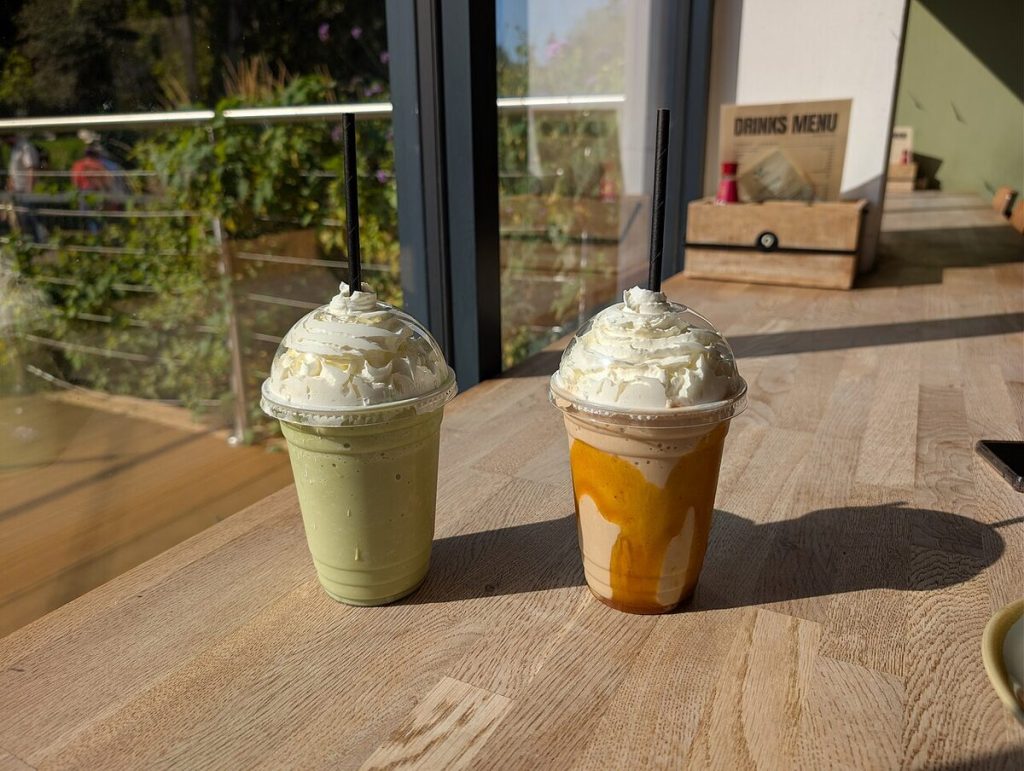
The amount of caffeine in large mocha frappe drinks is not one fixed number: it depends on the recipe, the country, the cup size and the coffee base the chain uses. A mocha frappe gets its caffeine from coffee and from chocolate, so the total can be noticeably higher than a plain milkshake but usually lower than a large brewed coffee. The reliable way to get the real figure is to check the official nutrition or allergen information from the seller. This guide shows you how to find it and how to judge whether a drink suits your own limits.
Key takeaways
- Caffeine content differs by chain, country, size and recipe, so look up the official figure instead of trusting a rumour.
- Coffee is the main source in a mocha frappe, with a smaller contribution from chocolate or cocoa.
- The NHS advises that most adults can have up to 400 mg of caffeine a day, and less during pregnancy.
- Decaf bases, smaller sizes and fewer drinks per day all cut intake.
Where the caffeine comes from
A frappe is a blended, chilled drink usually made from a coffee base, milk, ice and flavouring. A mocha version adds chocolate syrup or cocoa. There are two caffeine sources.
- Coffee: the main contributor. Some chains use brewed coffee, others use instant coffee extract or a pre-made frappe base, which changes the total.
- Chocolate: cocoa contains caffeine and a related compound called theobromine, though in a syrup the amount is small compared with the coffee.
Because recipes are proprietary and sometimes updated, a number quoted in a forum post from years ago may no longer apply. A large cup also holds more of every ingredient than a small one, but it is not always a simple multiple, since some chains use a fixed pump or scoop count per size.
How to find the official figure
- Open the seller’s official website or app and look for a nutrition, allergen or “nutritional information” section. Many chains publish a downloadable PDF or interactive menu.
- Choose the correct country site. Recipes and sizes differ, so a US figure may not match a UK or Australian drink.
- Find the exact drink and the size you want (small, medium or large). Note that sizes in millilitres or fluid ounces differ by market.
- Look for a caffeine line. If it is not listed, the company might not publish it. In that case use the contact page or customer service to ask directly.
- If the figure is shown per serving or per 100 ml, work out the amount for your cup size carefully.
When the caffeine is not published, an estimate is only an estimate. It is better to say “I do not know” than to rely on a made-up figure.
How it compares with other drinks
Caffeine amounts in everyday drinks vary widely, so the table below gives only general relationships rather than exact numbers.
| Drink | General caffeine level | Why it varies |
|---|---|---|
| Large brewed filter coffee | High | Bean type, brew strength, cup size |
| Espresso-based latte | Moderate to high | Number of shots |
| Mocha frappe | Moderate | Coffee base and chocolate |
| Cola or energy drink | Low to high | Brand and can size |
| Tea | Low to moderate | Type and steeping time |
| Hot chocolate | Low | Cocoa content |
The point is that “coffee-flavoured” does not always mean “strong”. A frappe often contains less actual coffee than its size suggests, because much of the volume is milk, ice and sugar.
How much caffeine is sensible?
Guidance depends on your health and situation. The NHS says most adults can have up to 400 mg of caffeine a day without it causing harm, and it advises pregnant women to limit intake to 200 mg a day. You can read more on the NHS website, which has pages on caffeine and pregnancy. Children and teenagers are more sensitive, and some medicines and conditions, such as anxiety, heart rhythm problems or sleep disorders, mean you may need to be more careful. If you are unsure, speak to a pharmacist or GP.
Signs you have had too much caffeine include a racing heart, jitters, headaches, stomach upset and poor sleep. These vary from person to person, so your tolerance may be lower than the general guideline.
Ways to cut the caffeine
- Choose a smaller size. This lowers both caffeine and sugar.
- Ask whether a decaf or reduced-caffeine base is available, though many frappe bases are premixed.
- Order a chocolate-only drink if a coffee-free option exists.
- Have your frappe earlier in the day, since caffeine can affect sleep for many hours.
- Count the rest of your day: tea, cola, energy drinks, pre-workout and some painkillers all contain caffeine.
- Drink water between cups to avoid relying on caffeine for energy.
Beyond caffeine: sugar and calories
Large blended drinks can also be high in sugar, saturated fat and calories, especially when topped with whipped cream and sauce. If you are watching your intake, the nutrition panel will usually list energy, sugars and fat next to the caffeine line. A smaller size or skimmed or plant-based milk can bring the numbers down, but ask the seller what is available since options vary.
The same principle of going to the primary source applies elsewhere online. Our guide to finding race results at Aqueduct shows how to use official data, and our piece on finding reliable facts about Cherry Seaborn’s age applies it to biography questions.
Frequently asked questions
Does a mocha frappe have more caffeine than a regular coffee?
Usually less than a large brewed coffee, but this depends on the recipe and cup size. Check the official figure for your exact drink.
Is there caffeine in a frappe with no coffee?
A chocolate-only frappe has a small amount from cocoa. A “creme” or caffeine-free base may be offered, so ask the seller.
Why do I find different caffeine numbers online?
Recipes differ by country, change over time and may be calculated differently. Unofficial sites often copy each other, so use the seller’s official data.
Can children drink a mocha frappe?
Children are more sensitive to caffeine and sugar, so a small size, or a caffeine-free option, is usually safer. Ask your pharmacist or GP if you are worried.
How can I track my daily caffeine?
Note each drink and check the official figures where available. Apps and spreadsheets can help, but treat them as estimates unless the numbers come from the seller.
Conclusion
The caffeine in large mocha frappe drinks depends on where you buy it, so the best answer comes from the seller’s own nutrition information. Compare it with the 400 mg daily guideline for most adults, adjust for your own sensitivity, and use smaller sizes or decaf options if you want to cut back.
Key takeaways about caffeine in large mocha frappe
Here is a short summary of caffeine in large mocha frappe so you can find the main points quickly.
- The amount of caffeine in large mocha frappe drinks is not one fixed number: it depends on the recipe, the country, the cup size and the coffee base the chain uses.
- A frappe is a blended, chilled drink usually made from a coffee base, milk, ice and flavouring.
- Because recipes are proprietary and sometimes updated, a number quoted in a forum post from years ago may no longer apply.
- When the caffeine is not published, an estimate is only an estimate.
Save this guide to caffeine in large mocha frappe so you can find it again whenever you need a quick reminder.
If you only remember one thing about caffeine in large mocha frappe, make it the practical steps covered in this guide.
Check official sources before acting on anything related to caffeine in large mocha frappe, because details can change over time.
Questions about caffeine in large mocha frappe are common, so it helps to compare more than one trustworthy source.
Use this page as a starting point for caffeine in large mocha frappe and come back to it when your situation changes.
Related reading:
- Where Did Momos Originate? Tibet, Nepal and the Himalayas
- What’s a Praline? Ingredients and Types Explained
For general background, you can look up caffeine in large mocha frappe on Wikipedia.