“Psilocybin ovoid” is not the name of a recognised mushroom species. It is a search phrase that combines psilocybin, the psychoactive compound found in some fungi, with “ovoid”, a descriptive word meaning egg-shaped. Because the phrase mixes a drug with a shape, it is worth being careful: this article explains what the words most likely mean, why guessing at mushroom identity is dangerous, and where the law stands, without giving any guidance on finding or using these mushrooms.
Key takeaways
- Psilocybin ovoid is not a formal species or product name; “ovoid” simply describes a rounded, egg-like shape.
- Shape alone can never tell you whether a mushroom is safe, and wild mushroom misidentification can be fatal.
- Psilocybin is a controlled substance in many countries, including the UK and under US federal law, with some local and research exceptions.
- If you or someone else feels unwell after eating a wild fungus, seek urgent medical help immediately.
What does “psilocybin ovoid” mean?
Psilocybin is a naturally occurring compound produced by certain mushroom species, often called “magic mushrooms”. After ingestion the body converts it into psilocin, which affects perception, mood and thinking. You can read a neutral overview on the Wikipedia page on psilocybin.
“Ovoid” is a general descriptive term used in biology and mycology for things that are egg-shaped. It can describe the shape of a cap in young mushrooms, the form of a spore under a microscope, or a bulb at the base of a stem. People searching for the phrase may be looking for any of several things: a description of a mushroom’s shape, an identification question, a product listing, or an academic term. None of those makes “psilocybin ovoid” a defined species, and any website that treats it as a specific, standard variety should be viewed with caution.
Why shape is a dangerous way to identify a mushroom
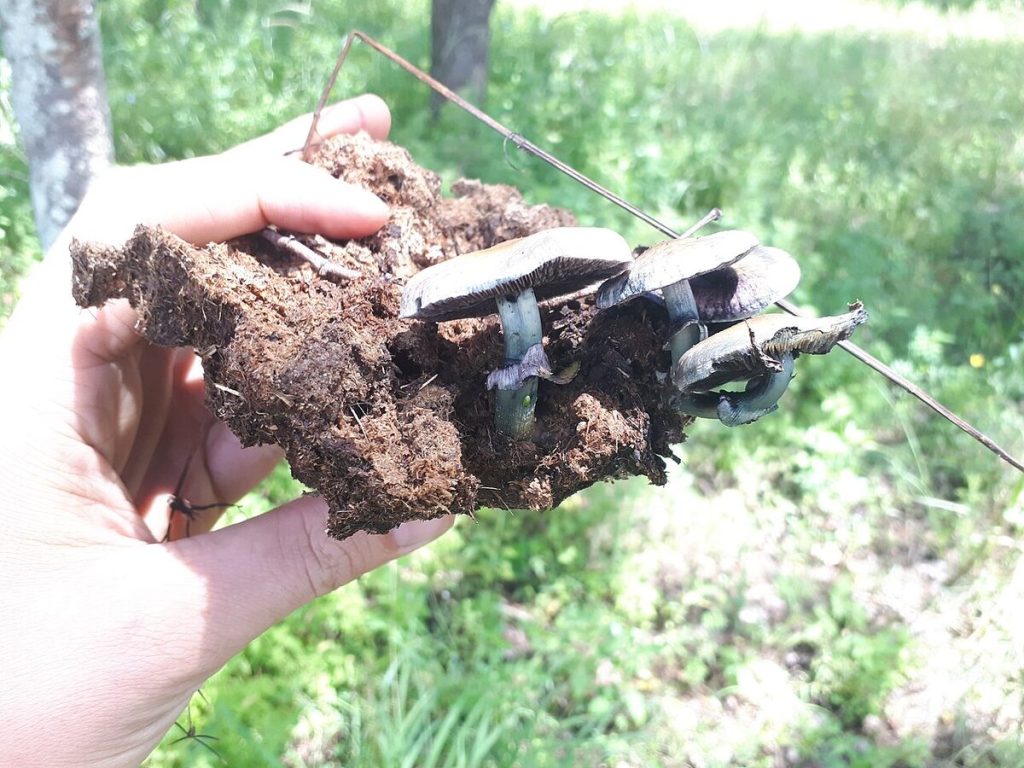
Many mushrooms look similar at different stages of growth. A young mushroom can appear rounded or egg-shaped before the cap opens, and several edible, harmless and deadly species share this phase. Experienced foragers use a combination of features, such as spore print colour, gills, stem ring, smell, habitat, season and sometimes microscopic details, and even experts disagree or make mistakes.
The risk is real. Some poisonous fungi, including certain Amanita and Galerina species, can cause severe liver or kidney damage, and symptoms may be delayed by many hours, meaning a person can feel fine initially and then become seriously ill. Never eat any wild mushroom on the basis of a photo, a forum post or an app guess. This applies to foraging for food as much as to any other reason.
Legal status: what to know before going further
Laws differ by country and, in some places, by region or city, and they change over time, so check the official source for your location. As a general outline:
| Place | General position | Where to check |
|---|---|---|
| United Kingdom | Psilocybin is a controlled drug; possession, supply and production are offences | GOV.UK and the Home Office |
| United States | Federally controlled; a few states and cities have decriminalised or created regulated programmes, while federal law still applies | State government sites and the DEA |
| Other countries | Wide variation, from strict prohibition to limited tolerance or research pathways | National health or justice departments |
In the UK, GOV.UK is the place to confirm current drug classification and penalties. Nothing here is legal advice, and if you have a legal question, speak with a qualified solicitor.
Research and clinical interest
Psilocybin has attracted serious scientific attention. Researchers in several countries have been studying it under tightly controlled conditions for conditions such as depression, though results are still being evaluated and it is not an approved everyday treatment in most places. Clinical trials involve screening, trained clinicians, a safe setting and follow-up care, which is very different from picking mushrooms or buying unregulated products. If you are interested in this research, look for peer-reviewed publications and the websites of recognised universities and health regulators rather than commercial sellers.
Risks people should know about
- Misidentification. The most serious danger with wild fungi is mistaking a toxic species for another.
- Unpredictable effects. Strength varies between mushrooms, batches and individuals, so effects can be far more intense than expected, including anxiety, confusion and frightening perceptions.
- Mental health. People with a personal or family history of psychosis or certain other conditions may be at greater risk of harm.
- Medication interactions. Some prescription drugs, including certain antidepressants and mood stabilisers, can interact in unpredictable ways.
- Unsafe situations. Impaired judgement can lead to accidents, and driving under the influence of drugs is a criminal offence in the UK.
- Counterfeit products. Online sweets, chocolates or powders sold as containing psilocybin may be mislabelled or contain other substances.
What to do in an emergency
If someone has eaten a wild mushroom and feels unwell, or is seriously distressed or unresponsive after taking any drug, do not wait for symptoms to settle.
- In the UK call 999 (or your local emergency number elsewhere) if the person is very ill, unconscious, having a seizure or in danger.
- For non-emergencies, call NHS 111 in England for advice, or use your local poison information service.
- Keep a sample or photo of the mushroom, plus any packaging, so clinicians can identify what was eaten.
- Stay with the person, keep them calm and do not leave them alone.
The FRANK service at talktofrank.com offers confidential, non-judgemental UK information about drugs and their effects. Our guide on pulling your own tooth follows the same spirit of putting safety first before any do-it-yourself attempt.
How to read online claims about psilocybin
Be sceptical of any page that offers precise strengths, shopping links or identification shortcuts. Look for a named author, references to medical or scientific sources, and clear information about the law. If a site is mainly trying to sell something, treat its claims as marketing rather than evidence.
Frequently asked questions
Is “psilocybin ovoid” a real mushroom species?
No. It is not a recognised scientific name. “Ovoid” just means egg-shaped, and “psilocybin” names the compound found in certain fungi.
Can I identify a mushroom from its shape?
No. Shape varies with age, and many safe and toxic species look alike. Only expert examination of multiple features is reliable, and even then mistakes happen.
Is psilocybin legal?
In many countries it is controlled, including in the UK and under US federal law, though some places allow research or have changed local enforcement. Check official government sources for your area.
Is psilocybin used in medicine?
It is being studied in clinical trials, but it is not a routine approved treatment in most countries. Research use is highly supervised.
Where can I get help or information about drugs?
In the UK, FRANK and the NHS provide confidential advice, and your GP can discuss any concerns. In an emergency call 999.
Conclusion
“Psilocybin ovoid” is a loose phrase rather than a named species, and the safest approach is to treat it as such. Never rely on shape to judge a mushroom, understand that the law is strict in many countries, and turn to official health and government sources for reliable information.
Key takeaways about psilocybin ovoid
Here is a short summary of psilocybin ovoid so you can find the main points quickly.
- "Psilocybin ovoid" is not the name of a recognised mushroom species.
- Psilocybin is a naturally occurring compound produced by certain mushroom species, often called "magic mushrooms".
- "Ovoid" is a general descriptive term used in biology and mycology for things that are egg-shaped.
- Many mushrooms look similar at different stages of growth.
Questions about psilocybin ovoid are common, so it helps to compare more than one trustworthy source.
Related reading:
- Resultados Aqueduct: Where to Find Race Results Today
- Bacteria in Yogurt: Which Cultures Make It and What They Do
For general background, you can look up psilocybin ovoid on Wikipedia.