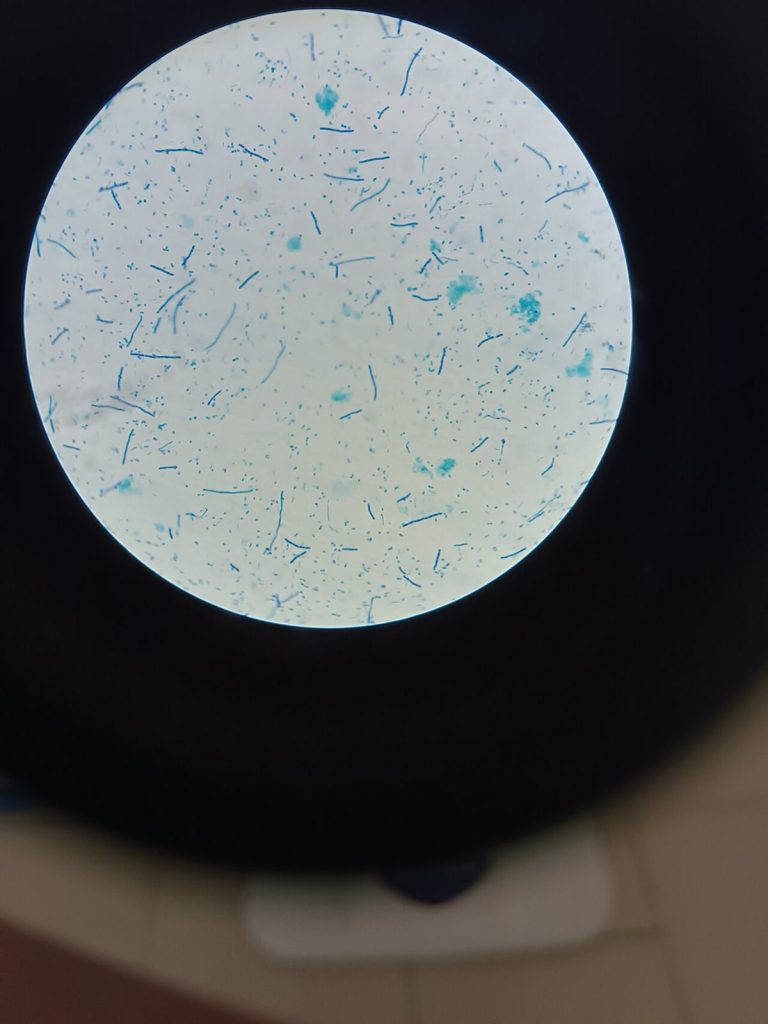
The bacteria in yogurt are mainly two species, Lactobacillus delbrueckii subsp. bulgaricus and Streptococcus thermophilus, which ferment the natural sugar in milk into lactic acid. That acid thickens the milk, gives yogurt its tang and keeps unwanted microbes in check. Many brands add further “probiotic” strains on top, so the label is worth reading if you want specific cultures.
Key takeaways
- Traditional yogurt is defined by two starter cultures: L. bulgaricus and S. thermophilus.
- They turn lactose into lactic acid, which sets the proteins and creates the sour taste.
- Extra strains such as Lactobacillus acidophilus or Bifidobacterium are added by some makers.
- Heat-treated yogurt after fermentation no longer contains live bacteria.
- Check the label for “live” or “active” cultures rather than assuming every pot has them.
The two starter cultures
Across much of the world, a product can only be sold as yogurt if it has been fermented with these two organisms working together. They have a friendly relationship, which scientists call protocooperation.
Streptococcus thermophilus
This round bacterium gets going first. It grows quickly in warm milk, produces some acid and releases compounds that help its partner. It also contributes to the smooth texture and mild flavour.
Lactobacillus delbrueckii subsp. bulgaricus
This rod-shaped species breaks down milk proteins into small pieces that feed S. thermophilus. It then produces most of the lactic acid that gives yogurt its characteristic sharpness, along with flavour compounds such as acetaldehyde, which is partly responsible for the “yogurty” aroma.
How fermentation turns milk into yogurt
- Milk is heated, commonly to around 80 to 90C, and held there. This changes the whey proteins so the final yogurt is thicker and smoother.
- The milk is cooled to a warm incubation temperature, typically between 40 and 45C.
- The starter cultures are stirred in.
- The mixture is kept warm for several hours. Bacteria consume lactose and release lactic acid.
- As the pH falls, casein proteins clump into a network that traps water, and the milk sets.
- The yogurt is chilled to slow fermentation and prevent it from becoming too sour.
The process also makes yogurt a little easier to digest for some people with lactose sensitivity, because part of the lactose has already been consumed. It is not lactose free, though.
Other bacteria you may see on the label
Beyond the two core cultures, manufacturers sometimes add strains chosen for gut health claims or taste. Common names include:
- Lactobacillus acidophilus, often written as L. acidophilus.
- Bifidobacterium species, such as B. lactis or B. animalis.
- Lacticaseibacillus (formerly Lactobacillus) casei or L. rhamnosus.
Taxonomy has been updated in recent years, so you may notice the same organism listed under an older or newer genus name. That does not mean the product has changed.
Quick reference: what is in different yogurts
| Type | Typical cultures | Notes |
|---|---|---|
| Plain set or natural yogurt | L. bulgaricus, S. thermophilus | The traditional baseline |
| Greek-style or strained | Same starter, then strained | Thicker and higher in protein per spoonful |
| Probiotic yogurt | Starters plus extra strains | Strains are named on the pack |
| Skyr | Similar cultures, strained | Very thick; often rennet is used |
| Kefir (not yogurt) | Many bacteria and yeasts | A different fermented milk drink |
| Heat-treated yogurt | Cultures killed after fermenting | Longer shelf life, no live bacteria |
Does the bacteria in yogurt survive in your gut?
Partly. Stomach acid and bile kill many bacteria, though some strains cope better than others. Research on probiotics is ongoing, and results depend on the strain, the dose and the person. The starter cultures are generally not thought to colonise the gut permanently, but they may pass through and interact with it briefly. If you rely on yogurt for a specific health aim, speak to a pharmacist, dietitian or doctor rather than relying on packaging claims. For general nutrition guidance in the UK, the NHS website at nhs.uk is a trustworthy place to start, and the Wikipedia article on yogurt gives a useful scientific overview.
How to choose a yogurt with live cultures
- Look for the words “live cultures”, “live bacteria” or “active cultures” on the pack.
- Check the ingredients list for named strains, not just “cultures”.
- Avoid products labelled “heat treated after culturing” if you want live bacteria.
- Pick plain yogurt and add fruit yourself to control sugar.
- Check the date and keep it chilled; the cultures decline over time.
Making yogurt at home
You need milk, a spoonful of live plain yogurt as the starter, and a way to keep things warm. Heat the milk, cool it to about 43C, whisk in a tablespoon or two of starter per litre, and hold the mix warm for six to twelve hours in an oven with the light on, a thermos or a yogurt maker. Longer incubation gives a tangier result. Keep your equipment very clean, because stray microbes can compete with the cultures. Reserve a little of each batch to start the next, though the culture can weaken after several generations, so refresh it with a shop-bought pot from time to time.
Food safety notes
Yogurt is safe because the acid makes it hostile to most harmful bacteria, but it is not invincible. Discard any pot with pink or green mould, a fizzy or alcoholic smell, or a bulging lid. Clear liquid on top is whey and is perfectly normal; stir it back in. People who are immunocompromised should ask their clinician before taking high-dose probiotics. If you enjoy exploring how everyday food works, our article on whether rolled oats expire covers another pantry staple, and if you ever want a general knowledge refresher, try which US military branch is the oldest.
Frequently asked questions
What bacteria is in yogurt?
The defining ones are Lactobacillus delbrueckii subsp. bulgaricus and Streptococcus thermophilus. Many products contain extra probiotic strains as well.
Is all yogurt probiotic?
Not necessarily. Yogurt with live cultures contains bacteria, but “probiotic” usually means specific strains shown to offer a benefit, and not every pot makes that claim.
Does cooking yogurt kill the bacteria?
Yes. Heating it to high temperatures kills the cultures, although the food remains safe to eat.
Can I eat yogurt if I am lactose intolerant?
Many people tolerate it better than milk, but it varies. Lactose-free versions are available.
How long do the bacteria stay alive?
They remain viable until the use-by date if kept cold, but numbers gradually decline over time.
Conclusion
Knowing which bacteria in yogurt do the work makes shopping easier and home fermentation less mysterious. Two humble cultures turn milk into a tangy, set food, and any extra strains are a bonus you can check for on the label.
Key takeaways about bacteria in yogurt
Here is a short summary of bacteria in yogurt so you can find the main points quickly.
- The bacteria in yogurt are mainly two species, Lactobacillus delbrueckii subsp.
- Across much of the world, a product can only be sold as yogurt if it has been fermented with these two organisms working together.
- This rod-shaped species breaks down milk proteins into small pieces that feed S.
- The process also makes yogurt a little easier to digest for some people with lactose sensitivity, because part of the lactose has already been consumed.
If you only remember one thing about bacteria in yogurt, make it the practical steps covered in this guide.
Check official sources before acting on anything related to bacteria in yogurt, because details can change over time.
Questions about bacteria in yogurt are common, so it helps to compare more than one trustworthy source.
Use this page as a starting point for bacteria in yogurt and come back to it when your situation changes.
Related reading:
- Lake County IL Mugshots: Recent Arrests and Jail Booking
- Hazel Eyes at Birth: What Newborn Eye Colour Means
For general background, you can look up bacteria in yogurt on Wikipedia.