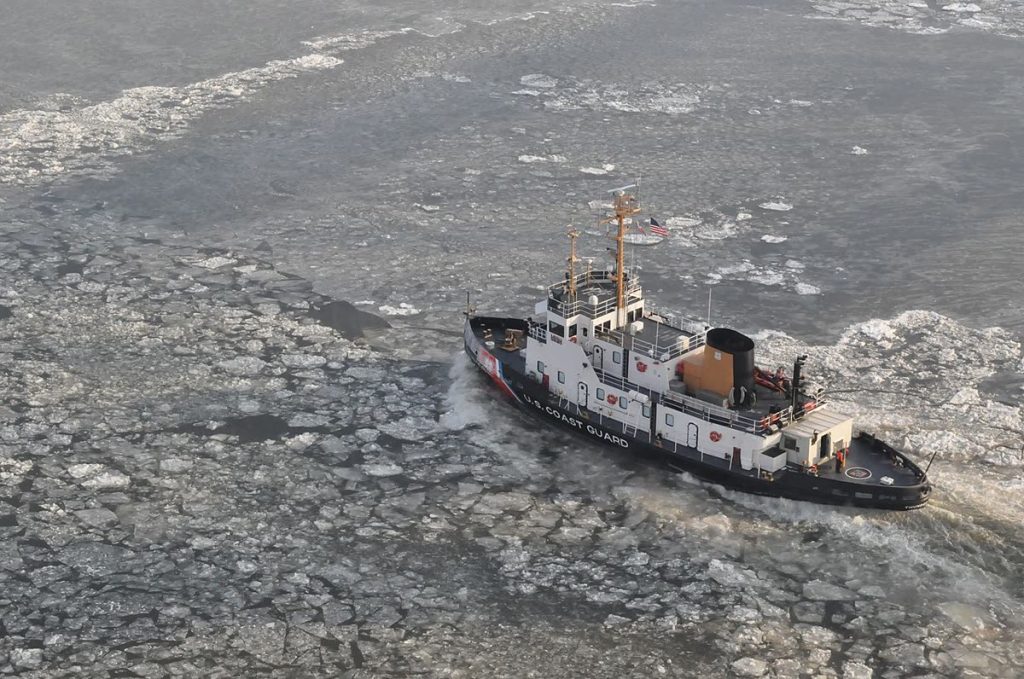
The USCG rules of the road test checks that a mariner understands the navigation rules used to prevent collisions on the water. Passing it is part of the process for many US Coast Guard merchant mariner credentials, so the best approach is to study the official Navigation Rules, practise with sample questions and learn the key ideas of right of way, lights, shapes and sound signals.
Key takeaways
- The test is based on the Navigation Rules, which include the International Rules (COLREGS) and the US Inland Rules.
- Download the official rules from the US Coast Guard Navigation Center and study them directly.
- Focus on steering and sailing rules, lights and shapes, sound signals and restricted visibility.
- Check current exam requirements with the Coast Guard, as procedures and test formats change.
What the USCG rules of the road test covers
The Rules of the Road are the legal framework that tells vessels how to behave around each other. In the United States, there are two main sets. The International Regulations for Preventing Collisions at Sea, known as COLREGS or the International Rules, apply on the high seas and connected waters. The Inland Rules apply on US inland waters, such as many harbours, rivers and bays. Many differences are small but important, so you must know which applies where. For background, see the COLREGs Wikipedia page.
The exam is part of the credentialing process through the National Maritime Center, and the Rules of the Road topic can appear in different forms depending on the credential, such as a licence for operating vessels. Requirements differ by credential and have changed over time, so always confirm the current rules with the Coast Guard before you plan your study.
Main topics to master
The Navigation Rules are organised into parts. These are the areas most candidates need to know well.
| Topic | What to know |
|---|---|
| General rules (Rules 1 to 3) | Application, responsibility and definitions |
| Steering and sailing (Rules 4 to 19) | Lookout, safe speed, risk of collision, action to avoid, overtaking, head-on and crossing situations, restricted visibility |
| Lights and shapes (Rules 20 to 31) | Navigation lights and day shapes for different vessels |
| Sound and light signals (Rules 32 to 37) | Whistle signals, manoeuvring signals and distress signals |
| Inland-specific rules | Differences from COLREGS, such as some signals and the vessel hierarchy |
Right of way and responsibilities
The rules do not give anyone an absolute right of way. Instead, they talk about “give-way” and “stand-on” vessels. The give-way vessel must take early and substantial action to keep clear, and the stand-on vessel should maintain course and speed but can act if the other vessel does not. Learn the standard situations: overtaking, head-on and crossing. Also learn the hierarchy of responsibility, in which vessels that are less manoeuvrable generally get priority over more manoeuvrable ones.
Lights and shapes
This is the area where many people make mistakes, because there are many combinations. Learn what a power-driven vessel, sailing vessel, vessel at anchor, vessel towing and vessel restricted in her ability to manoeuvre display, both at night and by day.
A step-by-step study plan
- Get the official text. Download the current Navigation Rules from the US Coast Guard Navigation Center at navcen.uscg.gov, which publishes the International and Inland Rules.
- Read through once. Do a first pass without memorising, just to understand the structure.
- Study by part. Take one part at a time: steering and sailing first, then lights, then sound signals.
- Draw diagrams. Sketch lights and crossing scenarios on paper, since seeing the picture helps memory.
- Practise with sample questions. Use reputable study guides or course materials that match the current exam. Treat any question bank as a practice aid rather than a guarantee.
- Test yourself on scenarios. Imagine what you would do, then check against the rule.
- Review weak spots. Revisit the areas you get wrong until they are comfortable.
Study tips that work
- Use flash cards for light patterns and sound signals.
- Learn the “why” behind each rule, as it helps you reason through unfamiliar questions.
- Study a little every day rather than all at once.
- Practise with a friend or in a class, asking each other scenario questions.
- Learn the differences between Inland and International Rules, since exam questions often target them.
- Take timed practice tests to get used to the pace.
Studying regulations has a lot in common with learning other rule-based topics, such as shipping requirements. For an example of how shipping rules are explained in plain English, see our guide on whether you can ship wine via FedEx.
On the day of the exam
Preparation for the day itself matters too. Make sure you have the identification and paperwork that the examination centre requires, arrive early and read every question carefully. Pay attention to words such as “inland”, “international”, “restricted visibility” and “power-driven”, because they change the correct answer. If you are unsure, eliminate the clearly wrong options first, and then choose the best remaining answer. Do not leave questions unanswered unless the instructions say that wrong answers are penalised.
Keep learning after you pass
The rules do not stop being useful once the exam is over. Real watchkeeping depends on keeping a proper lookout, using all available means to judge risk of collision, and communicating clearly. Re-read the rules every year or two, especially before moving between inland and offshore operations, and keep an up-to-date copy aboard if your vessel requires it. Good habits on the water are the real goal of the test.
Frequently asked questions
What are the Rules of the Road?
They are the navigation rules that govern how vessels behave around each other, to prevent collisions. In the US they include the International Rules (COLREGS) and the Inland Rules.
Where can I find the official rules?
The US Coast Guard Navigation Center publishes the official Navigation Rules on its website, and you can also find them in printed publications.
What score do I need to pass?
Passing requirements depend on the credential and exam format, and they have changed over time. Check with the Coast Guard National Maritime Center for current standards.
Are Inland and International Rules the same?
They are similar but not identical. Some lights, signals and procedures differ, so learn both and note where they diverge.
How long should I study?
It varies by experience. Many candidates spend several weeks studying regularly, but experienced mariners may need less. Take practice tests to judge your readiness.
Conclusion
Passing the USCG rules of the road test comes down to understanding the official Navigation Rules rather than memorising answers. Get the current text, build a steady study routine, practise scenarios and check the latest exam requirements with the Coast Guard. That preparation makes you a better test taker and a safer mariner.
Key takeaways about uscg rules of the road test
Here is a short summary of uscg rules of the road test so you can find the main points quickly.
- The USCG rules of the road test checks that a mariner understands the navigation rules used to prevent collisions on the water.
- The Rules of the Road are the legal framework that tells vessels how to behave around each other.
- The exam is part of the credentialing process through the National Maritime Center, and the Rules of the Road topic can appear in different forms depending on the credential, such as a licence for operating vessels.
- The rules do not give anyone an absolute right of way.
Check official sources before acting on anything related to uscg rules of the road test, because details can change over time.
Questions about uscg rules of the road test are common, so it helps to compare more than one trustworthy source.
Use this page as a starting point for uscg rules of the road test and come back to it when your situation changes.
Good decisions about uscg rules of the road test come from checking the facts, comparing your options and taking your time.
Related reading:
- August 8 Zodiac Sign: Leo Traits and Personality
- Countries in the Western Hemisphere: A Clear List and Explanation
For general background, you can look up uscg rules of the road test on Wikipedia.