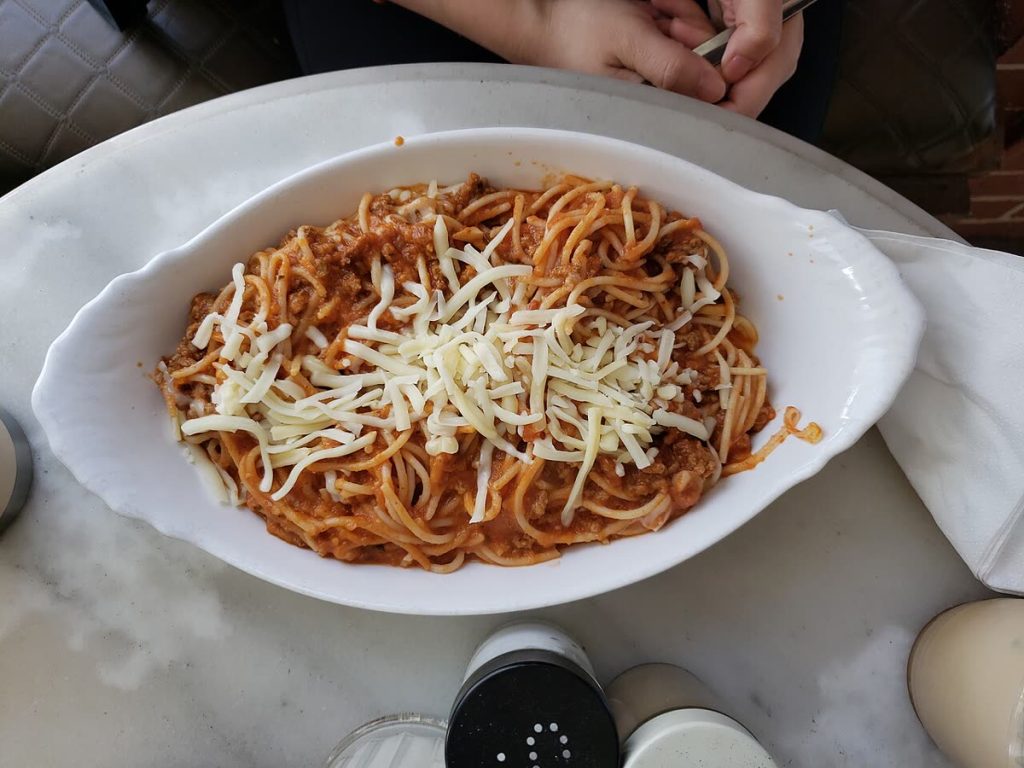
So, what is bolognese pasta? Strictly speaking, there is no such pasta: Bolognese is a slow-cooked meat sauce, called ragu alla bolognese in Italy, that is served with pasta, traditionally fresh egg tagliatelle. When people say “bolognese pasta” they usually mean spaghetti with that sauce. This guide covers its origins, authentic ingredients, how to cook it properly, and how the traditional version differs from the one most people make at home.
Key takeaways
- Bolognese is the sauce, not the pasta; it comes from the city of Bologna.
- The traditional match is tagliatelle or other flat egg pasta, and it is also used in lasagne.
- The sauce is mostly meat and soffritto with a modest amount of tomato, simmered for hours.
- Spaghetti bolognese is a popular international adaptation rather than a classic Bologna dish.
What is bolognese pasta, really?
The word “bolognese” simply means “from Bologna”, the food-loving city in Emilia-Romagna in northern Italy. The sauce is a ragu, meaning a meat-based sauce cooked slowly until rich and thick. The classic dish is tagliatelle al ragu, and the same sauce layers lasagne verdi alla bolognese and fills baked pasta. You can read more about its history on Wikipedia. For the origin of the word itself, see our explainer on what bolognese means.
Traditional ingredients
Recipes differ from family to family, and Bologna’s chamber of commerce has even registered a version of the classic recipe. Typical elements include:
- Soffritto: finely chopped onion, carrot and celery
- Meat: beef mince, often with pork, and sometimes pancetta
- Fat: butter and/or olive oil
- Liquid: a little white or red wine, stock or milk
- Tomato: passata or concentrated paste, used sparingly
- Seasoning: salt and pepper, sometimes a pinch of nutmeg
Notice what is missing. Authentic versions do not usually include garlic, lots of herbs or large amounts of tomato. The flavour comes from browning the meat well and a long, gentle cook.
Bolognese vs the spaghetti version
| Feature | Traditional Bolognese | Common home version |
|---|---|---|
| Pasta | Fresh tagliatelle, or in lasagne | Dried spaghetti |
| Tomato | Small amount | Large amount, often a tomato-forward sauce |
| Aromatics | Onion, carrot, celery | Onion, garlic, herbs |
| Cooking time | 2 to 3 hours or longer | 30 to 60 minutes |
| Dairy | Milk or cream added for tenderness | Often none |
Neither is wrong; they are simply different dishes. Spaghetti bolognese became popular outside Italy because spaghetti is widely available and familiar.
How to cook a classic bolognese
This serves four to six.
Ingredients
- 1 onion, 1 carrot and 1 celery stick, very finely chopped
- 50 g pancetta, diced (optional but traditional)
- 2 tablespoons olive oil and a knob of butter
- 500 g minced beef, or half beef and half pork
- 100 ml dry white wine
- 2 tablespoons tomato paste, or 200 g passata
- 200 ml whole milk
- 200 to 300 ml stock
- Salt and pepper
Method
- Heat the oil and butter in a heavy pan and cook the pancetta until it releases its fat.
- Add the soffritto and cook gently for 10 minutes until soft and sweet, not browned.
- Add the mince and brown it well, breaking it up. Let it catch and colour; this builds flavour.
- Pour in the wine and let it bubble until almost gone.
- Stir in the tomato, then the milk. Simmer until the milk is absorbed.
- Add stock, cover partly and simmer on very low heat for 2 to 3 hours, adding splashes of stock when it looks dry.
- Season at the end. The sauce should be thick, not watery.
Serve with tagliatelle or another wide pasta, tossed with a few spoonfuls of the sauce and a little pasta water so it clings. A grating of Parmigiano Reggiano is traditional.
Tips for better results
- Chop the vegetables very fine so they melt into the sauce.
- Use a wide, heavy pan for even browning.
- Do not rush; a slow simmer gives a silky texture.
- Make a big batch; it freezes well in portions for up to three months.
- Use more sauce with wide pasta and less with thin strands.
Serving and leftover ideas
Bolognese is perfect for lasagne, baked pasta, stuffed peppers or a topping for jacket potatoes. Cool leftovers quickly, refrigerate in a sealed container and use within two days, or freeze. Reheat until piping hot. If you like exploring dishes by their ingredients, you might also enjoy our explainers on what pepperoni is made of and what gyros is made of.
Pasta shapes that suit bolognese
Thick, clingy sauces need pasta with surface area. Flat ribbons such as tagliatelle and pappardelle hold the ragu well, as do tubes with ridges, like rigatoni. Fresh egg pasta has a rough texture that grabs the sauce. Thin spaghetti is the least suited, because the sauce slides off, which is one reason Italians eat it with lighter sauces. If you do serve spaghetti bolognese, toss it with the sauce in the pan rather than ladling it on top.
| Pasta | Why it works |
|---|---|
| Tagliatelle | The classic match; ribbons hold chunky sauce |
| Pappardelle | Wide and silky, ideal for rich ragu |
| Rigatoni | Ridges and tubes catch the meat |
| Lasagne sheets | Layer with besciamella for a baked dish |
Frequently asked questions
Is bolognese a type of pasta?
No. It is a meat sauce. Pasta types served with it include tagliatelle, pappardelle and lasagne sheets.
Is spaghetti bolognese authentic?
It is an international adaptation. In Bologna, the sauce is typically served with flat egg pasta.
Does bolognese contain milk?
Many traditional recipes include milk, which helps tenderise the meat and soften acidity.
How long should bolognese simmer?
At least two hours is ideal for depth of flavour, although a quicker version can be ready in an hour.
Can I freeze bolognese?
Yes. Cool it fully, freeze in portions and use within about three months.
Conclusion
So, what is bolognese pasta? It is a pasta dish built around a rich, slow-cooked meat sauce from Bologna. Take your time with the soffritto and the simmer, choose a wide pasta if you want to be authentic, and enjoy one of Italy’s great comfort dishes.
Key takeaways about what is bolognese pasta
Here is a short summary of what is bolognese pasta so you can find the main points quickly.
- The word "bolognese" simply means "from Bologna", the food-loving city in Emilia-Romagna in northern Italy.
- Recipes differ from family to family, and Bologna's chamber of commerce has even registered a version of the classic recipe.
- Neither is wrong; they are simply different dishes.
- Serve with tagliatelle or another wide pasta, tossed with a few spoonfuls of the sauce and a little pasta water so it clings.
Check official sources before acting on anything related to what is bolognese pasta, because details can change over time.
Questions about what is bolognese pasta are common, so it helps to compare more than one trustworthy source.
Use this page as a starting point for what is bolognese pasta and come back to it when your situation changes.
Good decisions about what is bolognese pasta come from checking the facts, comparing your options and taking your time.
Related reading:
- Car Porches: Types, Costs to Consider and Planning Tips
- Jasmine Rice Water to Rice Ratio: Stove, Cooker and Tips
For general background, you can look up what is bolognese pasta on Wikipedia.