Most healthy adults tolerate chia beans well, but they can cause side effects in some people, mainly digestive discomfort and, if eaten dry, a real choking risk. “Chia beans” is simply a common name for chia seeds, which are not true beans. This page covers the possible side effects, who should be careful, and how to enjoy chia safely. It is general information and not medical advice.
Key takeaways
- Chia is very high in fibre, so too much too soon can cause bloating, gas or loose stools.
- Dry seeds swell fast, so soak them and drink fluids to lower choking risk.
- Chia can interact with some blood pressure, blood sugar and blood-thinning medicines.
- Allergic reactions are uncommon but possible.
What are chia beans?
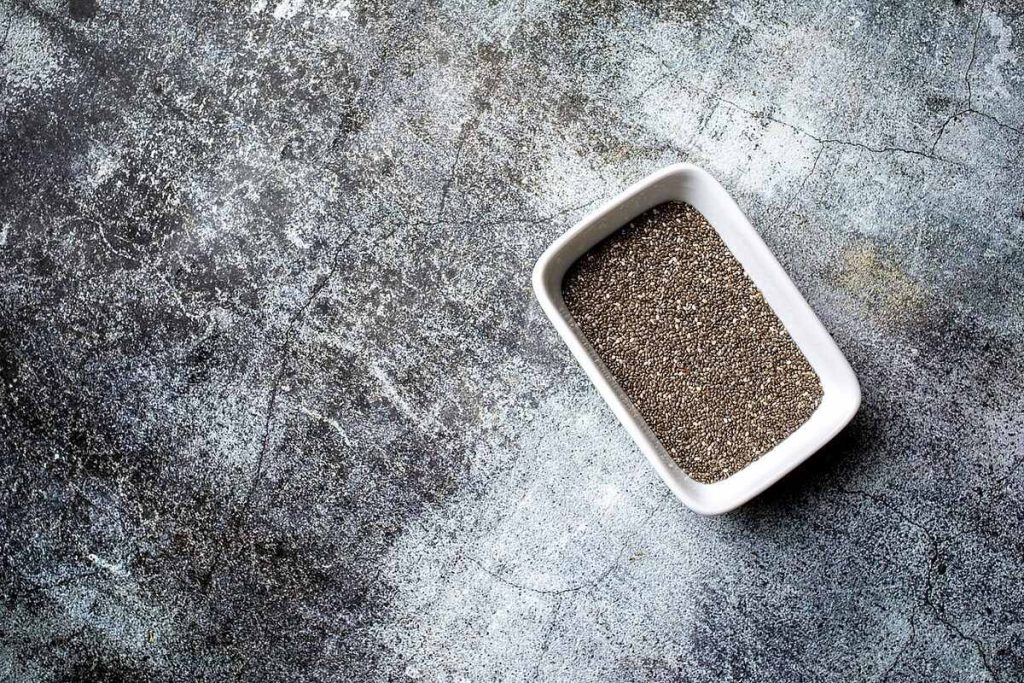
Chia seeds come from Salvia hispanica, a flowering plant in the mint family native to Central America. The seeds are tiny, mild in flavour and can absorb many times their weight in liquid, forming a gel. That property makes them popular in puddings, smoothies, baked goods and as a topping on porridge or yoghurt. Calling them “beans” is a common misunderstanding, but the nutrition profile is what people are really asking about: fibre, plant omega-3 fats, protein and minerals.
Common chia beans side effects
Digestive discomfort
Two tablespoons of chia can supply a large share of the fibre many adults eat in a day. If your diet is usually low in fibre, adding a lot at once can lead to bloating, wind, cramps, constipation or loose stools. Increase gradually and drink plenty of water.
Choking risk with dry seeds
Chia absorbs liquid quickly and can form a sticky mass. There are published case reports of dry seeds swelling in the throat, especially in people with swallowing problems. Do not eat a spoonful of dry seeds followed by water. Soak them first, or stir them into food and drinks.
Allergic reactions
Allergy to chia is uncommon, but symptoms can include itching, hives, swelling or stomach upset. People with allergies to related plants, such as mustard or sesame, may wish to be careful. Seek urgent medical help for any breathing difficulty or swelling of the face or throat.
Effects on blood pressure and blood sugar
Chia may mildly lower blood pressure and slow sugar absorption. That is helpful for many people, but if you take medicines for blood pressure or diabetes, your doctor may need to monitor you when you change your diet significantly.
Blood-thinning effects
Omega-3 fats can have a mild blood-thinning effect. If you take anticoagulants or antiplatelet medicines, or have a surgery planned, ask your doctor or pharmacist whether regular chia is suitable.
Who should be extra careful?
| Group | Why caution helps |
|---|---|
| People with swallowing difficulties | Higher risk of the seeds swelling in the throat |
| Those with bowel conditions such as strictures or severe IBS | High fibre can worsen symptoms |
| People on blood pressure, diabetes or blood-thinning medicines | Possible additive effects |
| Anyone with seed or plant allergies | Risk of cross-reaction |
| Young children | Whole seeds in thick gels can pose a choking risk, so use small amounts in well-soaked food |
How to eat chia safely
- Start small. Try one teaspoon a day for a week, then build up to one or two tablespoons if you feel fine.
- Soak first. Mix one part seeds with around six parts liquid and leave for at least 10 to 15 minutes, or overnight for pudding.
- Drink water. Fibre needs fluid to move through the gut comfortably.
- Spread through the day. Splitting portions across meals is gentler than one large dose.
- Stop if symptoms persist. Pause chia and speak with your doctor if you notice ongoing discomfort.
Simple ways to use chia
- Chia pudding made with milk or a plant drink and a little fruit.
- Stirred into smoothies and left for a few minutes to thicken.
- Mixed into overnight oats.
- Used as an egg replacer: one tablespoon with three tablespoons of water makes a gel for baking.
- Sprinkled, after soaking or inside moist foods, on salads and yoghurt.
If you like pairing high-fibre foods, you might also read about whether guacamole has fibre or whether pearled barley is healthy. Another interesting herb to explore is covered in our piece on the health benefits of lovage.
Chia in pregnancy and for specific health conditions
Chia is generally considered a food rather than a supplement, and moderate amounts are common in diets worldwide. If you are pregnant, breastfeeding, managing a long-term condition or taking regular medicines, discuss big dietary changes with a doctor, midwife or dietitian. For general guidance on healthy eating, the NHS Eat Well pages are a reliable starting point.
Chia compared with other seeds
Chia is often grouped with flax and hemp seeds, but they behave a little differently. Chia gels easily without grinding, while flaxseed needs to be ground for the body to absorb its nutrients. Hemp seeds are softer and do not swell. Because chia is so absorbent, it is the one most likely to cause throat problems if eaten dry, so the soaking advice matters more for chia than for the others.
| Seed | Texture when wet | Main caution |
|---|---|---|
| Chia | Forms a thick gel | Soak before eating |
| Flax | Mucilaginous when ground | Grind for absorption |
| Hemp | Stays soft | Store cool to avoid rancid oils |
Whichever you choose, variety in the diet matters more than any single seed. If you notice persistent symptoms such as severe abdominal pain, vomiting or trouble swallowing, stop eating chia and seek medical advice promptly.
Frequently asked questions
Are chia beans the same as chia seeds?
Yes. “Chia beans” is an informal name, but the product is chia seeds.
How much chia is safe per day?
Many people eat one to two tablespoons a day. Start smaller if you are not used to fibre, and ask a professional for personalised advice.
Can chia cause constipation?
It can if you eat a lot without enough fluid. With enough water, fibre usually helps regularity.
Is it safe to eat chia dry?
It is better not to. Dry seeds absorb liquid and swell, so soak them or mix them into moist food.
Can I eat chia with medication?
Often yes, but chia may affect blood pressure, blood sugar or clotting. Check with your pharmacist or doctor if you take those medicines.
Conclusion
For most people, chia beans are a nutritious, easy addition to meals, and side effects are mild and avoidable. Soak the seeds, build up slowly, drink water, and speak to a health professional if you have medical conditions or take regular medicines.
Key takeaways about chia beans
Here is a short summary of chia beans so you can find the main points quickly.
- Most healthy adults tolerate chia beans well, but they can cause side effects in some people, mainly digestive discomfort and, if eaten dry, a real choking risk.
- Chia seeds come from Salvia hispanica, a flowering plant in the mint family native to Central America.
- Two tablespoons of chia can supply a large share of the fibre many adults eat in a day.
- Chia absorbs liquid quickly and can form a sticky mass.
Questions about chia beans are common, so it helps to compare more than one trustworthy source.
Related reading:
- The Hail Mary Prayer in Spanish: Ave Maria Text and Meaning
- What Is a Quotient? Meaning, Examples and How to Find It
For general background, you can look up chia beans on Wikipedia.