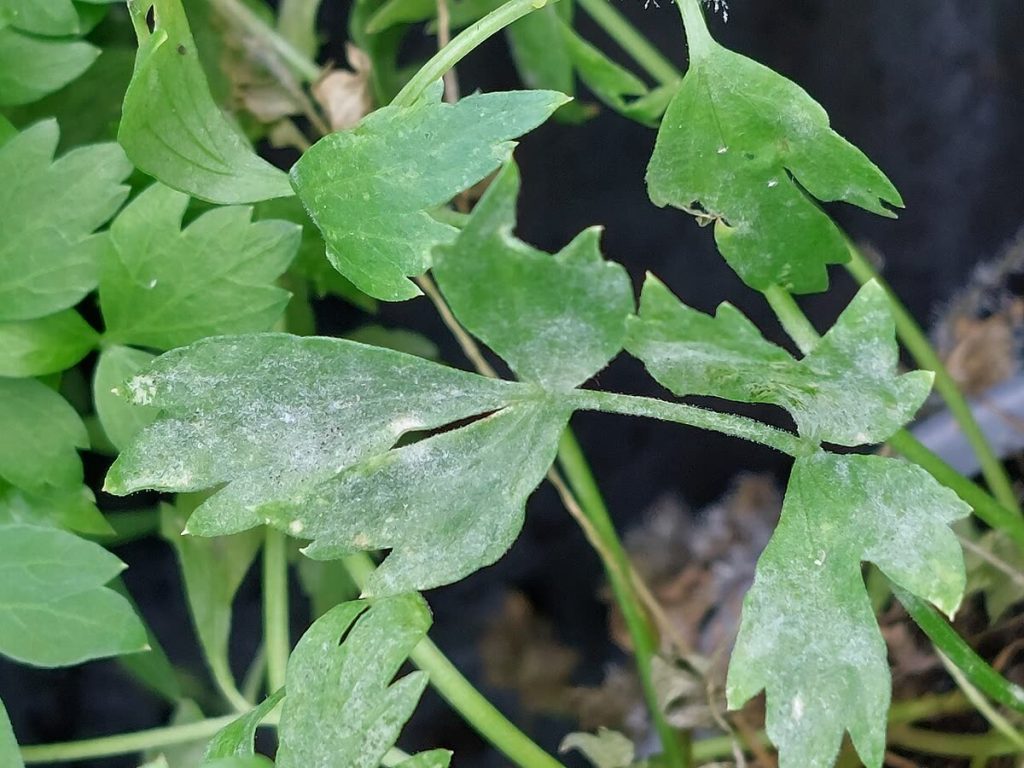
People searching for lovage tea benefits are usually curious whether this old kitchen-garden herb offers anything beyond its celery-like flavour. Lovage has a long history in European cooking and folk herbal traditions, where leaves, stems, seeds and roots were used in soups, drinks and home remedies. The honest picture is that there is limited modern research proving specific health effects, and some people should avoid it. This article explains what lovage is, what a cup of tea is usually claimed to do, how to make it and the safety points to know.
Key takeaways
- Lovage is an aromatic perennial herb with a flavour like strong celery.
- Traditional uses include digestion support and as a mild diuretic, but scientific evidence is limited.
- Avoid it if pregnant, if you have kidney problems or if you take certain medicines, unless a doctor agrees.
- Treat tea as a pleasant drink, not a treatment.
What is lovage?
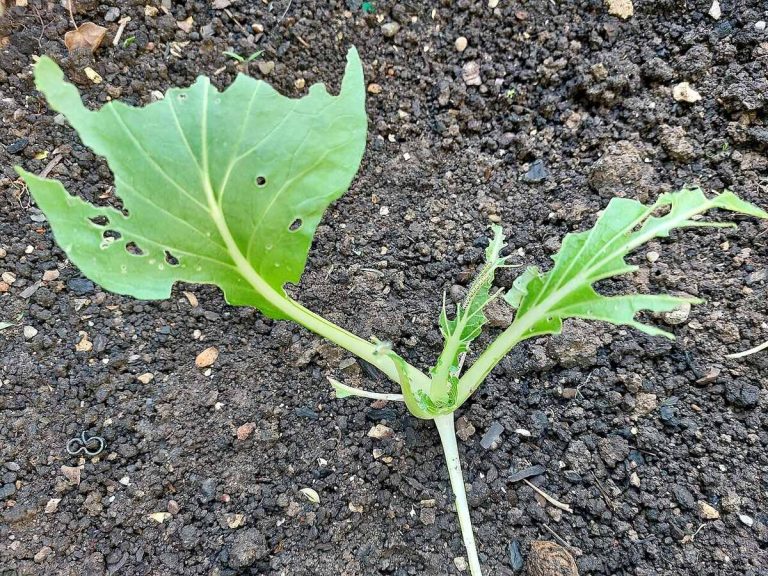
Lovage (Levisticum officinale) is a tall herb in the carrot family, the same family as celery, parsley and fennel. It grows easily in cool climates and returns every year, with glossy, deeply cut leaves and hollow stems. Cooks use the leaves in soups, stocks, salads and potato dishes, and the seeds in breads and pickles. You can read more in the Wikipedia article on lovage.
Traditional lovage tea benefits
In folk herbal traditions, lovage tea was used for several purposes. These are traditional claims, not proven medical benefits.
- Digestion: sipped after meals to ease bloating and wind.
- Fluid balance: used as a mild diuretic.
- Warming drink: taken in cold weather or during colds.
- Flavour boost: adds savoury notes to broths.
Laboratory studies have examined compounds in lovage, such as essential oils and phenolic compounds, with some antioxidant activity observed. However, lab results do not always translate to benefits in people, and strong clinical evidence is lacking. Be sceptical of any source promising cures.
What does it taste like?
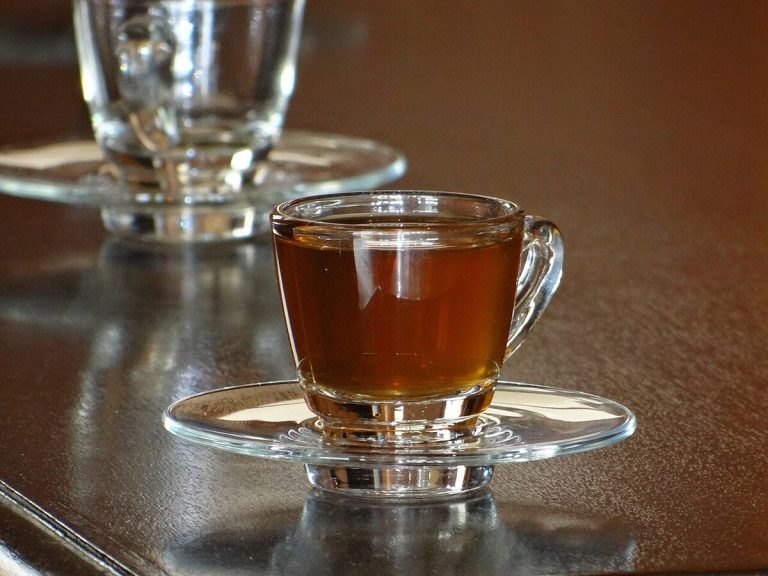
Lovage tea is savoury rather than sweet. Think of celery, parsley and a hint of anise or curry. A few leaves go a long way, and the flavour can be too strong for some people. Many drinkers add lemon, honey or a milder herb like mint or lemon balm to soften it.
How to make lovage tea
- Pick or buy fresh leaves, or use dried lovage from a reputable supplier.
- Rinse the leaves and pat them dry.
- Use about one teaspoon of chopped fresh leaves or half a teaspoon of dried per cup.
- Pour over freshly boiled water and cover.
- Steep for about five minutes.
- Strain and sip. Add lemon or honey if you wish.
Start with a weak cup to see how your body reacts. Do not drink large quantities, and avoid it as a daily habit without professional advice.
| Part of plant | Typical use | Notes |
|---|---|---|
| Leaves | Tea, soup, salads | Most common and mildest |
| Stems | Hollow; used as a flavouring or a straw | Strong taste |
| Seeds | Baking, pickling, tea | Concentrated |
| Roots | Traditional preparations | Avoid without guidance |
Who should be careful
Because herbs contain active compounds, some groups should talk to a doctor or pharmacist first.
- Pregnancy and breastfeeding: lovage has traditionally been avoided in pregnancy.
- Kidney conditions: diuretic herbs may be unsuitable.
- Medicines: people taking diuretics, blood pressure drugs or other regular medication should ask first.
- Allergies: if you react to celery, carrots or related plants, you could also react to lovage.
- Sun sensitivity: some plants in this family can make skin more sensitive to sunlight, so be careful with handling large amounts.
The NHS website at nhs.uk offers general advice on herbal remedies and talking to your pharmacist. This article is not medical advice.
Buying and growing lovage
Buy dried lovage from a trustworthy herb supplier and check the label for origin and best-before date. If you grow it, give it sun or partial shade, rich soil and room to grow because it can reach well over a metre tall. Harvest young leaves for the best flavour, and cut back after flowering to encourage new growth. Dry leaves in a dark, airy place and store in a jar.
Using lovage in the kitchen
- Add a few chopped leaves to soup or stock in place of celery.
- Stir into potato salad or scrambled eggs.
- Use the hollow stem as a stirrer for tomato juice.
- Dry seeds for bread or pickles.
If you like exploring kitchen and herb questions, take a look at our pieces on whether sage is bad for cats, how to dry cayenne peppers and what al dente means.
Lovage compared with similar herbs
| Herb | Flavour | Common tea use |
|---|---|---|
| Lovage | Strong celery and anise | Savoury infusion |
| Celery leaf | Milder celery | Occasional |
| Parsley | Fresh and grassy | Traditional mild diuretic tea |
| Fennel | Sweet aniseed | After-meal digestive tea |
| Peppermint | Cool and minty | Digestive and refreshing |
Storing dried lovage
Keep dried leaves in an airtight jar away from light and heat. They keep their aroma for several months, and then slowly fade. If the leaves smell musty or show any mould, throw them away.
Realistic expectations
If you are exploring lovage tea benefits, think of the tea as a gentle, flavourful ritual rather than a remedy. Any improvement in digestion or comfort could be due to the warm liquid itself, the pause in your day or a mild herbal effect. Keep a simple diary if you want to see whether a cup after dinner makes a difference, and stop if you notice any rash, stomach upset or unusual symptoms.
Frequently asked questions
What are the main lovage tea benefits?
Traditionally, digestion and mild fluid support, but scientific proof is limited.
Is lovage tea safe every day?
Not necessarily. Moderate, occasional use is more sensible, and some people should avoid it.
Can I drink lovage tea when pregnant?
It is usually advised to avoid it. Ask your midwife or doctor.
Does lovage taste like celery?
Yes, with a stronger, more savoury character.
Can I use the seeds for tea?
Yes, crushed lightly, but they are stronger so use less.
Conclusion
Lovage tea can be a pleasant savoury drink, but the lovage tea benefits are largely traditional rather than proven. Enjoy it in moderation, check whether it suits your health situation and speak to a professional if you take medicines or have a medical condition.
Key takeaways about lovage tea benefits
Here is a short summary of lovage tea benefits so you can find the main points quickly.
- People searching for lovage tea benefits are usually curious whether this old kitchen-garden herb offers anything beyond its celery-like flavour.
- Lovage (Levisticum officinale) is a tall herb in the carrot family, the same family as celery, parsley and fennel.
- In folk herbal traditions, lovage tea was used for several purposes.
- Laboratory studies have examined compounds in lovage, such as essential oils and phenolic compounds, with some antioxidant activity observed.
Check official sources before acting on anything related to lovage tea benefits, because details can change over time.
Related reading:
- How to Say Hi in Dubai: Arabic Greetings and Etiquette
- Distance From Sun to Saturn: How Far Is It, in Miles and Light?
For general background, you can look up lovage tea benefits on Wikipedia.