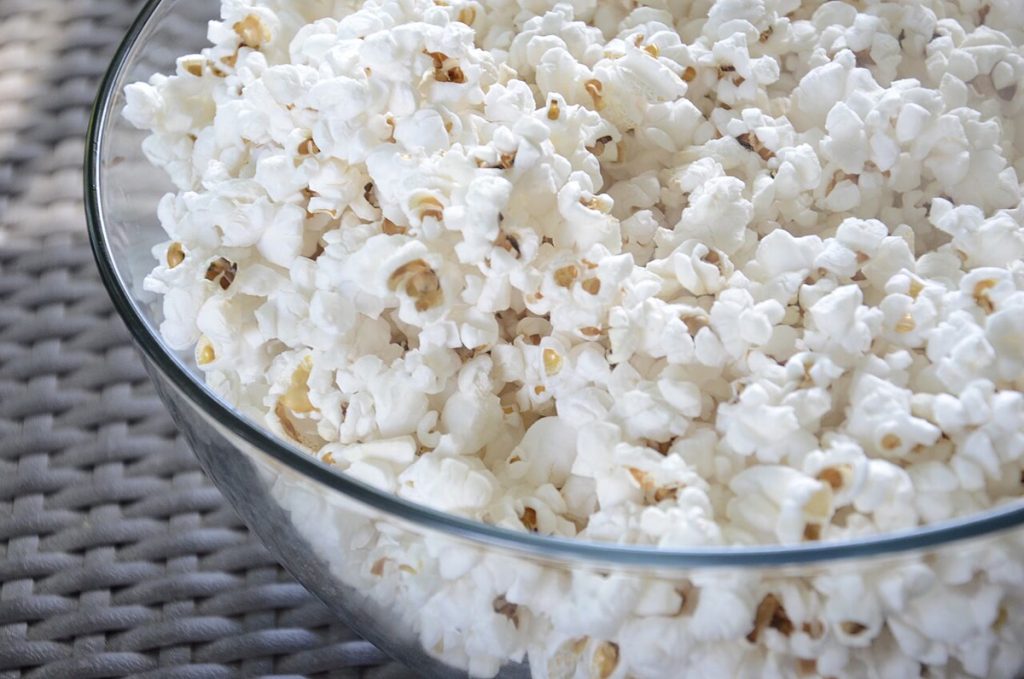
Where do kernels come from? A kernel is the seed of a plant, and in the case of popcorn it comes from a special variety of maize (corn), Zea mays var. everta, which grows on tall stalks as cobs covered in dozens of tightly packed seeds. Farmers harvest the cobs when the kernels are dry and hard, shell them from the cob and sell them as popping corn. Other kinds of kernels, such as nuts and cereal grains, come from different plants but follow the same idea: a kernel is the edible seed inside a protective layer.
Key takeaways
- Popcorn kernels are the dried seeds of a specific type of corn plant that has a hard, moisture-sealed shell.
- The kernels pop because a tiny amount of water inside turns to steam, builds pressure and bursts the hull.
- Most commercial popcorn is grown in large fields, then dried, cleaned, graded and packaged.
- Store kernels airtight and away from heat so they keep the right moisture level and pop well.
Where do kernels come from in general?
The word kernel simply means the inner part of a seed, nut or fruit stone, or the whole grain of a cereal. Wheat kernels are the seeds of the wheat plant, walnuts and almonds have kernels inside their shells, and corn kernels sit in rows on the cob. In the kitchen, we usually mean corn kernels, the golden dots on a cob that we eat boiled, grilled, canned or popped.
Each kernel is a complete seed, containing three main parts.
- **Pericarp (hull)**: the outer coat that protects the seed.
- **Endosperm**: the starchy food store that feeds the new plant, and which makes up most of the kernel.
- **Germ (embryo)**: the tiny part that grows into a new plant.
How popcorn kernels are grown
Popcorn is a type of maize, a plant first cultivated in the Americas thousands of years ago. It is related to sweet corn and field corn but is a distinct variety. Farmers plant the seeds in spring in warm soil, and the stalks grow tall over the summer, developing ears wrapped in husks. Popcorn is typically left in the field to dry on the stalk well after sweet corn would be picked, because it needs to lose moisture to the right level before harvesting.
In the United States, a large share of popcorn is grown in Midwestern states, though it is also produced in other parts of the world. For general background on the plant, see Wikipedia’s popcorn article.
From field to bag: step by step
- **Planting**: seeds are sown in warm soil after the last frost.
- **Growing**: the plants grow for several months, getting sunshine, water and nutrients.
- **Drying**: the ears dry on the stalk until the kernels are hard and low in moisture.
- **Harvesting**: combine harvesters pick the ears and strip the kernels.
- **Drying further and conditioning**: the kernels are dried or conditioned to about 13 to 14 percent moisture, which is the sweet spot for popping.
- **Cleaning and grading**: dust, broken kernels and debris are removed, and the kernels are sorted by size.
- **Packaging**: they are sold loose, in jars and bags, or as microwave packets with oil and seasoning.
Why popcorn kernels pop
Every popcorn kernel holds a small drop of water inside its starchy interior, sealed by a strong, almost airtight hull. When you heat the kernel to around 180 degrees Celsius (350 degrees Fahrenheit), the water turns to steam, and the pressure rises until the hull ruptures. The starch inside gelatinises and bursts out, then cools and sets into the fluffy white shape we recognise.
Kernels that fail to pop, called “old maids”, usually have too little moisture or a cracked hull, so the steam leaks out rather than building pressure.
Popcorn compared with other corn types
| Type | Used for | Kernel features |
|---|---|---|
| — | — | — |
| Popcorn | Snacks | Hard hull, small, sealed moisture |
| Sweet corn | Eating fresh, canned or frozen | Sugary, tender, picked early |
| Field (dent) corn | Animal feed, flour, ethanol, oil | Large, starchy, dried in the field |
| Flint corn | Decoration, meal, some foods | Very hard outer layer |
| Flour corn | Soft flour | Soft starch |
Popcorn is a whole grain, and when air-popped without butter or sugar it is a relatively low-calorie, high-fibre snack. Toppings change that profile, so look at labels on ready-made products.
Tips for the best popcorn
- Store kernels in an airtight container in a cool, dark cupboard. Avoid the fridge, which can make kernels too moist or dry.
- Use a heavy-bottomed pan with a lid and a tablespoon or two of oil with a high smoke point.
- Test with three kernels. When they pop, add the rest.
- Shake the pan and leave the lid slightly ajar so steam can escape, which keeps the popcorn crisp.
- Remove from the heat when the pops slow to a couple of seconds apart.
- Season while still warm with salt, grated cheese or spices.
Do not give whole popcorn kernels to young children, as unpopped kernels can be a choking hazard.
Other kernels you might mean
If you came here wondering about other kinds of kernels, the story is similar. Almond and apricot kernels come from stone fruits, and wheat kernels, also called wheat berries, are the whole seed of the wheat plant. Palm kernels are the seeds of the oil palm fruit and are processed into oil. A computer kernel is something different entirely, the core part of an operating system. It shares the name because it, too, sits at the heart of the system.
For more everyday food questions, you might like our articles about when Fritos were invented, what praline is made of and the ratio of rice to water for basmati.
Frequently asked questions
Where do popcorn kernels come from?
They come from a special variety of corn with a hard hull that traps moisture. The cobs are dried in the field, harvested and shelled.
Are popcorn kernels and corn kernels the same?
They come from the same species, but popcorn is a distinct variety. Sweet corn kernels will not pop properly.
Why do some kernels not pop?
Usually because they are too dry or the hull is damaged, so steam escapes before enough pressure builds.
Is popcorn a whole grain?
Yes, popcorn is a whole grain, as it contains the hull, endosperm and germ.
How should I store popcorn kernels?
Keep them in an airtight jar in a cool, dark place. Do not freeze or refrigerate unless the packaging recommends it.
Conclusion
So, where do kernels come from? They are seeds, and popcorn kernels in particular come from a hard-shelled type of maize that is grown, dried, harvested and packed for popping. Understand the moisture and the hull, and you will make better popcorn every time.
Key takeaways about where do kernels come from
Here is a short summary of where do kernels come from so you can find the main points quickly.
- The word kernel simply means the inner part of a seed, nut or fruit stone, or the whole grain of a cereal.
- Each kernel is a complete seed, containing three main parts.
- Popcorn is a type of maize, a plant first cultivated in the Americas thousands of years ago.
- In the United States, a large share of popcorn is grown in Midwestern states, though it is also produced in other parts of the world.
If you only remember one thing about where do kernels come from, make it the practical steps covered in this guide.
Check official sources before acting on anything related to where do kernels come from, because details can change over time.
Questions about where do kernels come from are common, so it helps to compare more than one trustworthy source.
Use this page as a starting point for where do kernels come from and come back to it when your situation changes.
Good decisions about where do kernels come from come from checking the facts, comparing your options and taking your time.
Related reading:
- Food Stamps in Oklahoma Income Guidelines: How They Work
- Internal Temp of Halibut: When Fish Is Done and How to Check
For general background, you can look up where do kernels come from on Wikipedia.