The simplest basmati rice to water ratio for the stovetop is 1 part rinsed rice to 1.5 parts water by volume, or 1 to 2 if you skip soaking. Get that right, combine it with a good rinse and a proper rest, and you will have long, separate, fragrant grains every time. This guide gives exact measures in cups and millilitres, plus methods for the rice cooker, the oven and the pressure cooker.
Key takeaways
- Rinsed and soaked basmati: 1 cup rice to 1.5 cups water.
- Unsoaked basmati: 1 cup rice to 2 cups water.
- Cook covered on low heat for about 10 to 12 minutes, then rest off the heat for 5 to 10 minutes.
- Do not stir or lift the lid while it steams.
The basmati rice to water ratio at a glance
Basmati is an aromatic long-grain rice grown in the Indian subcontinent; see the overview on Wikipedia for its background. It is drier and firmer than many other rices, so it needs less water than the 1 to 2 typically used for generic long-grain varieties. Use the same measuring cup or glass for both rice and water so the proportions stay consistent.
| Method | Rice : water (by volume) | Time |
|---|---|---|
| Stovetop, rinsed and soaked 20 to 30 minutes | 1 : 1.5 | 10 to 12 minutes, plus rest |
| Stovetop, rinsed only | 1 : 1.75 to 2 | 12 to 15 minutes, plus rest |
| Rice cooker | 1 : 1.25 to 1.5 | Follows machine cycle |
| Pressure cooker or multicooker | 1 : 1 to 1.25 | 4 to 6 minutes, natural release |
| Oven (covered dish) | 1 : 1.75 | About 20 to 25 minutes |
Quantities for the number of people
A normal serving is about 75 to 100 grams of dry rice per adult, which is roughly half a cup. For two people, use 150 to 200 g rice and about 300 ml water if soaked. For four, use about 300 to 400 g rice and 600 to 700 ml water. Because different cups vary, weighing your rice and measuring water by volume or weight (1 ml of water is 1 g) makes results more consistent. If you need to convert, see our note on whether 100 ml equals a quarter cup.
Step-by-step stovetop method
- Measure the rice. Use a cup or kitchen scales.
- Rinse. Place the rice in a bowl, cover with cold water, swirl gently and pour off. Repeat until the water runs mostly clear. This removes surface starch and prevents stickiness.
- Soak. Leave the rice in cold water for 20 to 30 minutes, then drain well. Soaking helps the grains cook evenly and stretch longer.
- Add water. Put the rice into a pot with a tight lid and add 1.5 times its volume in water (or 2 times if unsoaked). Add a pinch of salt and, if you like, a little butter or oil.
- Bring to the boil. Heat uncovered until it bubbles, then stir once.
- Cover and reduce. Turn the heat to the lowest setting, put on the lid, and cook for 10 to 12 minutes.
- Rest. Remove from the heat, keep the lid on, and leave for 5 to 10 minutes.
- Fluff. Use a fork to separate grains gently.
Ratio adjustments for different pots and stoves
Wide pots lose more steam, and heavy lids keep more in. If your rice is firm after the resting time, sprinkle in a spoonful or two of hot water, cover and steam for a few minutes more. If it is sticky or wet, spread it on a tray to dry briefly, and use a little less water next time. Induction and gas hobs may need slightly different heat settings, so make a note of what works.
Pasta-style (boil and drain) method
Some cooks boil basmati in plenty of salted water, like pasta, for about 8 to 10 minutes and drain. It is forgiving and gives separate grains, but you lose some aroma and nutrients to the water, so the absorption method is usually better for flavour.
Flavour ideas
- Add a cinnamon stick, two or three cardamom pods and a bay leaf to the water for fragrant rice.
- Fry a sliced onion in ghee first for a pilau style.
- Stir in saffron soaked in warm milk near the end for a golden colour.
- Finish with chopped coriander, lemon zest or toasted nuts.
For jasmine, which uses a different amount of liquid, see our guide to the water to rice ratio for jasmine. If you cook extra, be careful with leftovers and read whether you can reheat risotto the next day, as the same food safety rules for cooked rice apply.
Storing and reheating rice safely
Cooked rice can carry bacteria that survive cooking, so cool it quickly, ideally within an hour, and refrigerate in a covered container. Eat within a day, reheat until steaming hot all the way through, and never reheat more than once.
Troubleshooting
- Mushy rice: too much water or not enough rinsing. Reduce water by a tablespoon or two per cup.
- Hard or crunchy rice: too little water or lid not tight. Add a splash and steam again.
- Burnt bottom: heat too high. Use the smallest ring and a heavy pan.
- Broken grains: rinsing too roughly or stirring. Be gentle.
Choosing good basmati
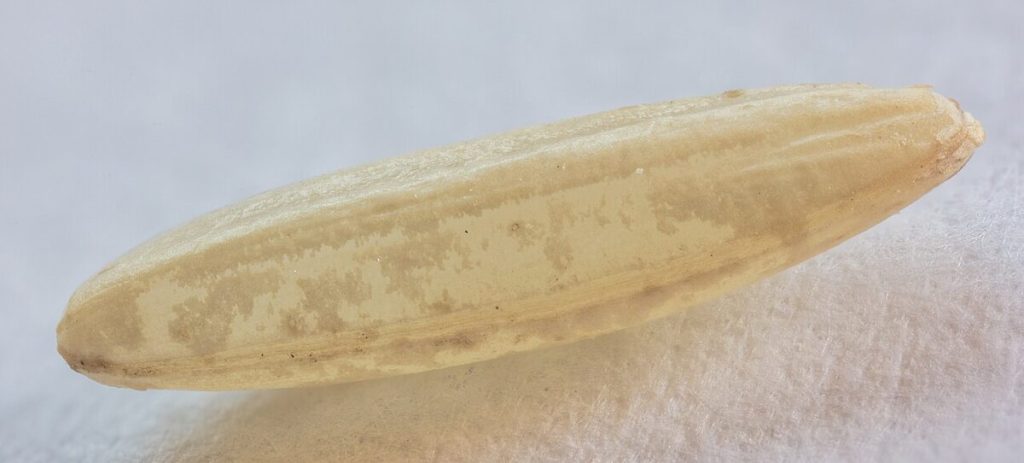
Look for packs labelled as aged basmati, which tends to cook up drier, firmer and more fragrant. Grains should be long, slender and pale, and they roughly double in length when cooked. Buying from a busy shop helps ensure freshness, and storing the rice in an airtight container in a cool, dark place keeps it at its best for many months.
Frequently asked questions
Do I need to soak basmati rice?
It is not essential, but soaking gives longer, more even grains and reduces cooking time.
What ratio of water to basmati works in a rice cooker?
Usually 1 part rice to 1.25 to 1.5 parts water, but follow your machine’s markings.
Can I use the same ratio for brown basmati?
No. Brown basmati needs more water, roughly 1 to 2 or a little more, and longer cooking.
Should I stir while it cooks?
No. Stirring releases starch and can make it sticky.
How long should I rest the rice?
Rest it covered for 5 to 10 minutes so steam finishes cooking the grains.
Conclusion
Stick to a basmati rice to water ratio of 1 to 1.5 for soaked rice, rinse well, avoid peeking and let it rest. Those habits, rather than special equipment, are what give you light, fluffy grains.
Key takeaways about basmati rice to water ratio
Here is a short summary of basmati rice to water ratio so you can find the main points quickly.
- The simplest basmati rice to water ratio for the stovetop is 1 part rinsed rice to 1.5 parts water by volume, or 1 to 2 if you skip soaking.
- Basmati is an aromatic long-grain rice grown in the Indian subcontinent; see the overview on Wikipedia for its background.
- A normal serving is about 75 to 100 grams of dry rice per adult, which is roughly half a cup.
- Wide pots lose more steam, and heavy lids keep more in.
Questions about basmati rice to water ratio are common, so it helps to compare more than one trustworthy source.
Use this page as a starting point for basmati rice to water ratio and come back to it when your situation changes.
Good decisions about basmati rice to water ratio come from checking the facts, comparing your options and taking your time.
Related reading:
- Does Gin Have Carbs? What Is Really in Your Glass
- Caramelized Onions Carbs: How Many and How to Cut Them
For general background, you can look up basmati rice to water ratio on Wikipedia.