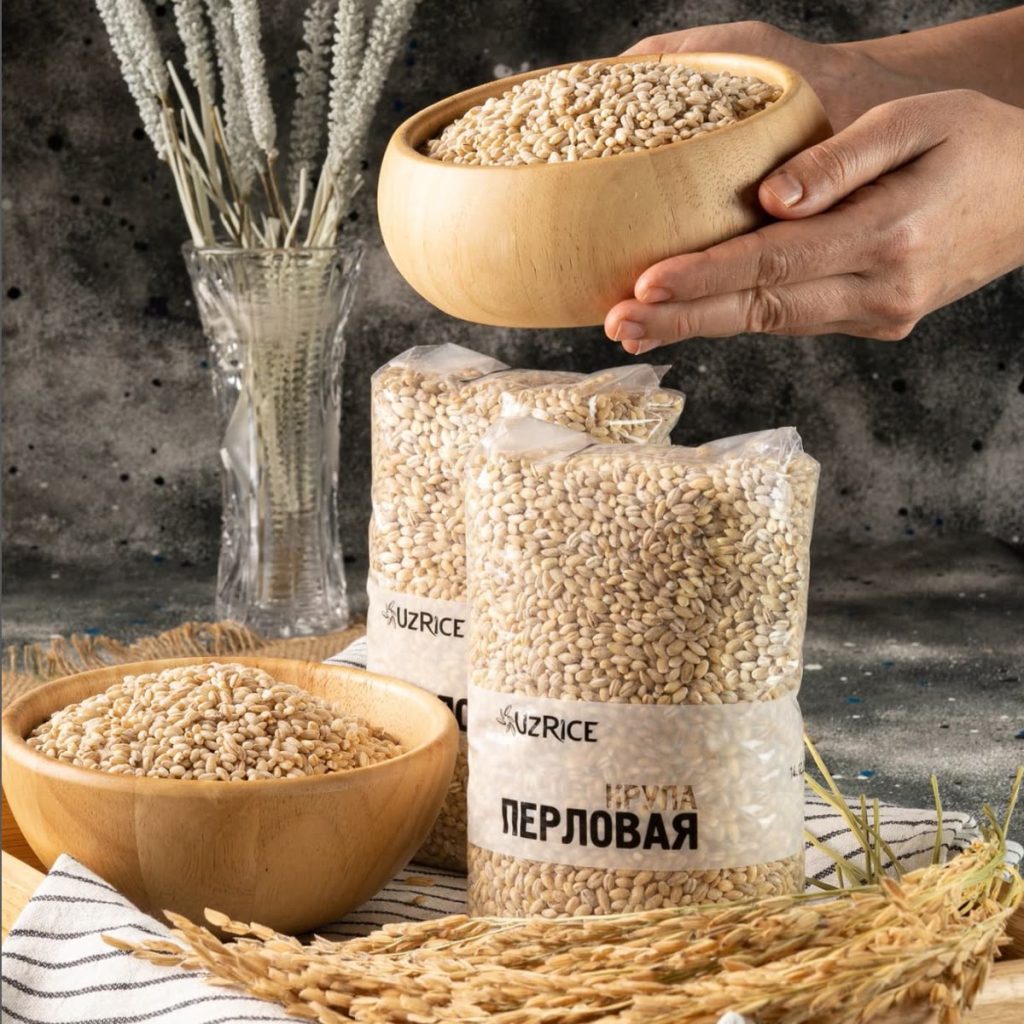
Pearled barley benefits are real but modest: it is a chewy, inexpensive grain that provides fibre, including a type called beta-glucan, along with minerals such as selenium and manganese. It is more refined than hulled barley, because the outer bran is polished away, so it is lower in fibre but quicker to cook. This article explains what you get from it, who should be careful, and how to cook it well.
Key takeaways
- Pearled barley is a good source of fibre, especially beta-glucan, which is linked to healthy cholesterol levels.
- Hulled barley is more nutritious, but pearled cooks faster and is easier to find.
- Barley contains gluten and is not suitable for people with coeliac disease.
- Cook it 25 to 40 minutes in about three parts water to one part barley.
What is pearled barley?
Barley is one of the oldest cultivated cereals. In its whole form, called hulled or dehulled barley, only the inedible outer husk is removed. Pearled barley goes further: it is polished to remove some or all of the bran layer, leaving a pale, round grain that cooks faster and has a softer texture. The process reduces some fibre and nutrients, but the grain still offers a lot for the price.
Pearled barley benefits for health
Fibre and fullness
Barley is a rich source of dietary fibre, and even the pearled version keeps a good amount in the starchy core. A cooked cup typically gives several grams. Fibre supports digestion and helps you feel full, which can help with portion control. Our note on the fibre in guacamole compares another common fibre-rich food.
Beta-glucan and cholesterol
Barley contains beta-glucan, a soluble fibre studied for its ability to lower LDL cholesterol when eaten regularly in sufficient amounts. Pearled barley still contains beta-glucan, since it is found throughout the grain, though amounts vary. It is not a medicine, and it works best as part of a balanced diet.
Vitamins and minerals
Barley generally provides selenium, manganese, magnesium, phosphorus, copper and some B vitamins such as niacin and thiamine. Exact levels depend on how much it has been polished and how it is cooked, so check packaging if you need precise numbers.
Blood sugar
Barley has a relatively low glycaemic index compared with many refined grains, meaning it tends to raise blood sugar more slowly. Pearled barley is a little higher than hulled, but still often a reasonable choice. People who manage diabetes should discuss grain choices with their doctor or dietitian.
Pearled versus hulled barley
| Feature | Pearled barley | Hulled barley |
|---|---|---|
| Processing | Bran polished away | Only outer husk removed |
| Fibre | Moderate | Higher |
| Cooking time | About 25 to 40 minutes | About 45 to 60 minutes |
| Texture | Soft, chewy | Firm, chewy |
| Soaking | Not needed | Helpful |
| Best for | Soups, stews, side dishes | Salads, hearty bowls |
If you want maximum nutrition, hulled barley is the better choice. If you want convenience, pearled barley is perfectly respectable.
Who should be careful
- People with coeliac disease or gluten sensitivity: barley contains gluten and should be avoided.
- People with wheat or grain allergies: check with a healthcare professional first.
- People on low-fibre diets: ask your medical team before adding barley.
- Anyone increasing fibre rapidly: add it gradually and drink water to avoid bloating.
For general nutrition guidance, the NHS website is a good place to start, and your doctor or a registered dietitian can give advice that fits your own health needs.
How to cook pearled barley
- Rinse the barley in a sieve under cold water.
- Combine 1 cup of barley with about 3 cups of water or stock in a saucepan, plus a pinch of salt.
- Bring to a boil, then reduce to a gentle simmer and cover.
- Cook for 25 to 40 minutes, stirring occasionally, until tender but still chewy.
- Drain any excess liquid, fluff with a fork and rest for a few minutes.
One cup of dry barley yields about three cups cooked. For a risotto-style dish, add stock a ladle at a time, as discussed in our look at reheating risotto. Barley also appreciates the same attention to ratio as rice; compare with our jasmine rice water to rice ratio for the idea.
Ways to use it
- Stir into soups and stews, where it thickens the broth.
- Make a barley salad with roasted vegetables, herbs and lemon.
- Use instead of rice in stuffed peppers or as a pilaf.
- Cook as a breakfast porridge with milk, cinnamon and fruit.
- Add to slow cooker dishes; it holds its shape well.
- Cook a big batch and refrigerate for up to four days for quick lunches.
Buying and storing barley
Look for barley sold in the dried goods aisle, usually alongside rice, lentils and other grains. Check the label to see whether it is pearled, pot or hulled. Pearled barley is the most common and usually the cheapest. Store it in a sealed container in a cool, dry cupboard, where it will keep for many months. Whole grain varieties contain more oil and may be better kept in the fridge if you buy in bulk.
Cooked barley freezes well, so it makes sense to cook extra. Portion it into bags, flatten them for quick thawing and add it straight to soups. Because barley swells and keeps absorbing liquid, leftovers in soup may thicken overnight, so you may need to add a splash of water or stock when reheating.
Frequently asked questions
Is pearled barley healthy?
Yes, in moderation. It offers fibre, beta-glucan and minerals, though less than hulled barley because the bran is removed.
Is pearled barley gluten free?
No. Barley contains gluten, so people with coeliac disease should avoid it.
Does pearled barley lower cholesterol?
The beta-glucan in barley is associated with lower LDL cholesterol when eaten regularly, but it is one part of a wider healthy diet.
Do I need to soak pearled barley?
No. Soaking is not necessary, although a rinse helps. It simply cooks faster than hulled barley.
How long does cooked barley keep?
Up to about four days in the fridge in a sealed container, or a few months frozen. Reheat until steaming hot.
Conclusion
The main pearled barley benefits are fibre, beta-glucan, a handful of minerals and a satisfying texture at a low cost. Pick hulled barley when you want more nutrition, avoid it if you need a gluten-free diet, and cook it with plenty of liquid until tender.
Key takeaways about pearled barley benefits
Here is a short summary of pearled barley benefits so you can find the main points quickly.
- Pearled barley benefits are real but modest: it is a chewy, inexpensive grain that provides fibre, including a type called beta-glucan, along with minerals such as selenium and manganese.
- Barley is one of the oldest cultivated cereals.
- Barley is a rich source of dietary fibre, and even the pearled version keeps a good amount in the starchy core.
- Barley contains beta-glucan, a soluble fibre studied for its ability to lower LDL cholesterol when eaten regularly in sufficient amounts.
If you only remember one thing about pearled barley benefits, make it the practical steps covered in this guide.
Check official sources before acting on anything related to pearled barley benefits, because details can change over time.
Questions about pearled barley benefits are common, so it helps to compare more than one trustworthy source.
Related reading:
- Does Rolled Oats Expire? Shelf Life and Signs of Spoilage
- Stages of Freezing Off a Wart: What Happens Day by Day
For general background, you can look up pearled barley benefits on Wikipedia.