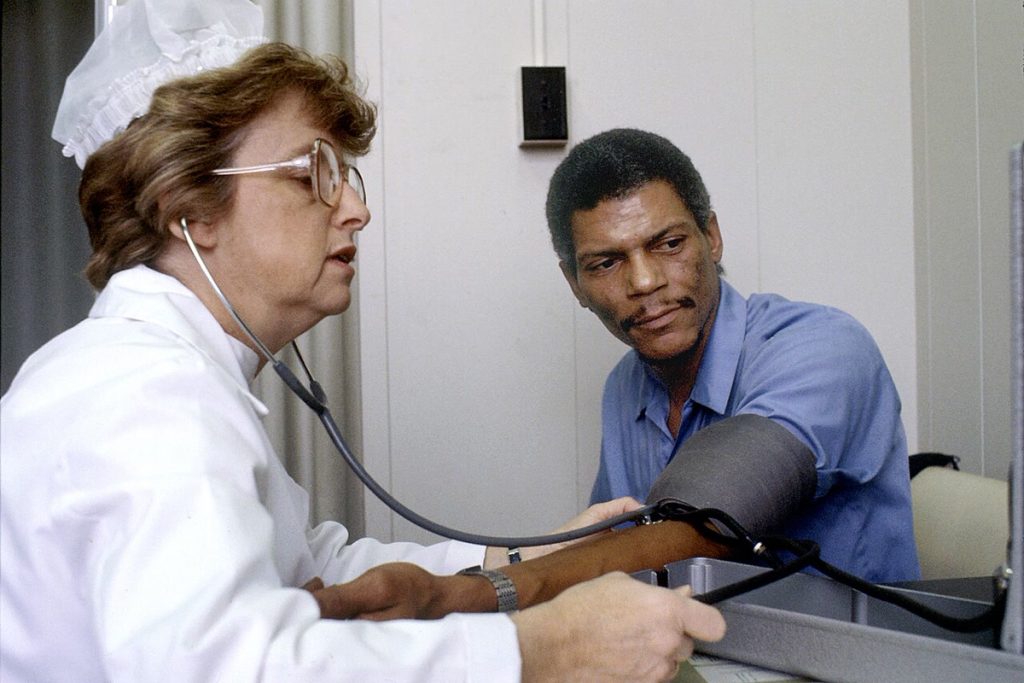
The scope of practice for LVN in California covers basic nursing care delivered under the direction of a physician, registered nurse or other licensed provider. The rules come from the Vocational Nursing Practice Act and its regulations, and the licensing board is the Board of Vocational Nursing and Psychiatric Technicians (BVNPT). This guide gives a general overview and is not legal advice, so employers and nurses should always check current law.
Key takeaways
- LVNs provide basic, directed nursing care and work under supervision by a physician, RN or other authorised licensee.
- Typical tasks include vital signs, wound care, medication administration and documentation.
- Some advanced tasks, such as independent assessment and care planning, sit with registered nurses.
- IV therapy and blood withdrawal require extra certification.
- Employer policy can be stricter than the law, so always follow your workplace rules.
Who regulates LVNs in California?
The BVNPT licenses vocational nurses in California, sets education standards and investigates complaints. The law that defines the profession is the Vocational Nursing Practice Act in the Business and Professions Code, supported by regulations in the California Code of Regulations. You can find official information, licence verification and updates on the board’s website at bvnpt.ca.gov.
Employers, schools and nurses should treat the board’s published material as the final word, because rules and fees are updated from time to time.
The core of the LVN scope of practice
In broad terms, the law describes LVN practice as providing basic patient care that requires technical and manual skills, plus an understanding of the principles of nursing. The work is carried out under the direction of a licensed physician, a registered nurse or another provider authorised by law. LVNs contribute to the care plan and report observations, but they do not usually create or approve it independently.
Tasks LVNs commonly perform
- Measuring and recording vital signs such as temperature, pulse, blood pressure and breathing rate.
- Observing patients and reporting changes in condition to the supervising nurse or physician.
- Giving prescribed medications by mouth, injection or other routes, according to their training and employer policy.
- Dressing wounds, changing dressings and providing basic wound care.
- Collecting specimens and carrying out simple diagnostic tests.
- Helping with hygiene, feeding, mobility and comfort.
- Documenting care accurately in the patient record.
- Teaching patients and families basic health information, as directed.
What generally needs a supervising nurse or additional training
Some responsibilities are reserved for registered nurses or need extra credentials. The details are specific, so check the board and your employer before assuming a task is allowed.
| Task area | LVN role |
|---|---|
| Initial nursing assessment | Usually an RN responsibility; LVNs collect data and contribute |
| Care plan development | RN leads; LVN contributes and follows the plan |
| IV therapy | Requires additional certification and employer authorisation |
| Blood withdrawal | Requires additional certification |
| Medication administration | Allowed within scope and under direction; some routes or drugs restricted by policy |
| Delegating to others | Limited; follows supervision rules and workplace policy |
How scope differs from workplace to workplace
Even where the law allows a task, an employer may restrict it. A hospital might limit LVNs to certain units, while a skilled nursing facility, clinic or home health agency may assign different duties. Written job descriptions, policies and competency checks all define what you may do in practice. If you are unsure, ask your supervisor and, where needed, the board.
The legal scope sets the outer limit and employer policy sets the working limit. The lower of the two is the one that applies to you in that job.
Comparing LVNs and registered nurses
People often ask how LVN and RN duties differ. In general, RNs complete more education, perform independent assessments, develop care plans and take on more complex clinical judgement, while LVNs deliver focused, directed care. Our detailed article on RN vs LVN scope of practice sets out the differences side by side.
Staying within your scope: practical steps
- Read your job description and employer policies before your first shift.
- Check the BVNPT website for the current Practice Act and regulations.
- Confirm that you hold any extra certification before performing IV therapy or blood draws.
- If you are asked to do something you are unsure about, pause and ask a supervisor in writing where possible.
- Document clearly what you did, observed and reported.
- Keep your licence and continuing education up to date.
Why working within scope matters
Practising outside scope can put patients at risk and may lead to disciplinary action, including licence consequences. It can also affect liability and insurance. Equally, knowing your scope gives you confidence: you can say clearly what you can do independently, what needs supervision, and when to escalate.
If you are a student or considering the profession, speak with an approved vocational nursing programme and the board about licensing requirements, the NCLEX-PN exam and pathways to RN training.
A note for employers and new graduates
Employers carry responsibility for assigning tasks appropriately. That means checking each LVN’s licence, confirming any extra certification before allocating IV or blood draw duties, and making sure there is a clear line of supervision. New graduates benefit from a structured orientation, a preceptor and written competency checklists, which help them build confidence safely.
For LVNs moving between settings, remember that duties that were routine in one job may not be permitted in another. A sub-acute unit, a dialysis clinic and a school nurse role all have different expectations. Ask for the policy documents on day one and keep a record of training you have completed.
Finally, scope questions sometimes arise when staffing is tight. Pressure to take on extra tasks is understandable, but the law does not change because a shift is busy. Raising concerns early, in writing, protects both you and your patients.
Frequently asked questions
Can an LVN work independently in California?
No. LVNs work under the direction of a physician, registered nurse or other authorised provider, though the level of day-to-day supervision varies by setting.
Can LVNs give IV medications?
Only with the required additional certification and where the employer allows it. Without that, IV therapy is outside the standard LVN scope.
Can an LVN do patient assessments?
LVNs gather data and observe patients, but formal initial nursing assessments are generally an RN responsibility.
Who decides what an LVN may do at work?
Both the law and the employer. The Practice Act sets the legal limits, and workplace policies may narrow them further.
Where can I check an LVN licence?
The BVNPT provides an online licence verification service on its official website. Use it to confirm status and any disciplinary action.
Conclusion
The scope of practice for LVN in California centres on basic, directed nursing care under licensed supervision, with extra certifications for tasks such as IV therapy. Because laws and workplace policies change, treat this article as a starting point and confirm details with the BVNPT and your employer.
Key takeaways about scope of practice for lvn in california
Here is a short summary of scope of practice for lvn in california so you can find the main points quickly.
- The scope of practice for LVN in California covers basic nursing care delivered under the direction of a physician, registered nurse or other licensed provider.
- The BVNPT licenses vocational nurses in California, sets education standards and investigates complaints.
- Employers, schools and nurses should treat the board's published material as the final word, because rules and fees are updated from time to time.
- In broad terms, the law describes LVN practice as providing basic patient care that requires technical and manual skills, plus an understanding of the principles of nursing.
If you only remember one thing about scope of practice for lvn in california, make it the practical steps covered in this guide.
Check official sources before acting on anything related to scope of practice for lvn in california, because details can change over time.
Questions about scope of practice for lvn in california are common, so it helps to compare more than one trustworthy source.
Use this page as a starting point for scope of practice for lvn in california and come back to it when your situation changes.
Good decisions about scope of practice for lvn in california come from checking the facts, comparing your options and taking your time.
Save this guide to scope of practice for lvn in california so you can find it again whenever you need a quick reminder.
Related reading:
For general background, you can look up scope of practice for lvn in california on Wikipedia.