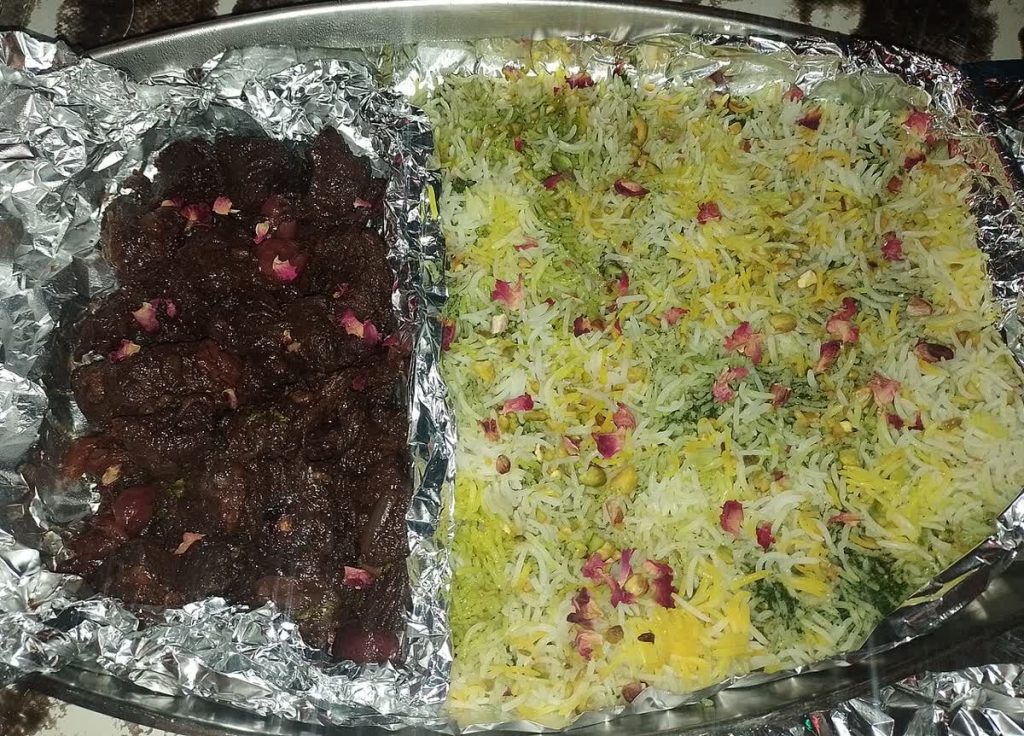
What is pilaf? Pilaf is a rice dish in which the grains are cooked in seasoned broth or stock until tender, fluffy and separate. The rice is usually sautéed in fat first, and onions, spices, nuts, dried fruit or meat are often added. It is a method as much as a recipe, which is why you will meet it under many names and in many cuisines.
Key takeaways
- Pilaf means rice toasted in fat, then simmered in flavoured stock with the lid on.
- A common starting ratio for long-grain rice is about 1 part rice to 1.5 to 2 parts liquid, but check your packet.
- Resting the cooked rice, covered, for about 10 minutes gives the best texture.
- Variations range from simple buttery rice to rich one-pot dishes with lamb, chicken or chickpeas.
Where pilaf comes from
Versions of pilaf appear across Central Asia, the Middle East, the Caucasus, Turkey, the Balkans and South Asia, under names such as pilav, plov, polo and pulao. Each region has its own style, so there is no single correct recipe. A general overview of the dish and its history is available in the Wikipedia article on pilaf.
Because the dish travelled along trade routes and through empires, it picked up local ingredients on the way. Saffron and dried fruit turn up in some places, cumin and lamb in others, and tomato-based versions in yet others.
What makes pilaf different from plain rice
Two things set pilaf apart. First, the grains are toasted in butter or oil, which coats them and adds a nutty flavour. Second, the liquid is a seasoned stock, not plain water. The result is richer, with grains that stay distinct rather than clumping together.
| Feature | Plain boiled rice | Pilaf |
|---|---|---|
| Fat at the start | Usually none | Butter or oil to toast the grains |
| Cooking liquid | Water | Stock or broth, often spiced |
| Flavour | Neutral | Savoury, nutty, aromatic |
| Texture | Can be sticky | Separate, fluffy grains |
Basic pilaf method
This simple stovetop recipe serves about four people as a side dish. Adjust it to your own rice, since brands and varieties absorb liquid differently.
- Rinse about 1 cup (200 g) of long-grain rice in cold water until the water runs mostly clear, then drain well.
- Soften a finely chopped onion in a tablespoon or two of butter or oil in a pan with a tight lid.
- Add the rice and stir for a minute or two until the grains look slightly translucent at the edges and smell nutty.
- Pour in hot stock. A common ratio for long-grain white rice is roughly 1 part rice to 1.5 to 2 parts liquid, but follow your packet for the best result. Add salt if the stock is unsalted, plus any spices.
- Bring to a simmer, cover and cook on low heat until the liquid is absorbed. This often takes around 12 to 15 minutes for white rice.
- Take the pan off the heat and leave it covered for about 10 minutes.
- Fluff with a fork and serve.
Do not lift the lid too often during cooking, as escaping steam disrupts the process. If you are weighing ingredients in ounces, our ounces-in-a-pound conversion guide is a handy reference.
Popular variations
- Vermicelli rice: toast broken vermicelli noodles in butter until golden before adding the rice, a common Middle Eastern style.
- Nutty and fruity: stir in toasted almonds, pine nuts, raisins or dried apricots for sweetness and crunch.
- Spiced: add saffron, cumin, cardamom, cinnamon or bay leaf for aroma.
- Hearty one-pot: include lamb, chicken, carrots or chickpeas, as in many plov and pulao dishes.
- Herby: finish with chopped parsley, dill or coriander and a squeeze of lemon.
Choosing the right rice and pan
Long-grain rice such as basmati gives the lightest and most separate texture, though other varieties work. Avoid short-grain pudding or risotto rice, which is designed to release starch and become creamy, the opposite of what you want here. Use a heavy-based pan with a snug lid, because it holds steady heat and traps steam. A clean tea towel placed under the lid can absorb condensation and help keep the rice dry on top.
Tips for fluffy grains
- Rinse the rice to remove surface starch, unless your recipe or packet advises otherwise.
- Toast the grains gently, without browning them too much.
- Season the stock well, since the rice takes on the flavour of the liquid.
- Keep the heat low once it simmers.
- Rest the rice before fluffing so the moisture distributes evenly.
Common mistakes
The most common slip is lifting the lid. Steam does the cooking, and letting it escape leaves the top layer hard and the bottom soggy. Others include using too much liquid, which makes mush; using too little, which leaves the centre raw; stirring after the liquid is added, which releases starch; and serving straight from the heat without a rest.
Storing and reheating leftovers
Cooked rice should be cooled quickly and refrigerated within about an hour or so, and eaten within a day. Reheat it until it is piping hot all the way through, and never reheat it more than once. This matters because rice can carry bacteria that produce toxins if it is left at room temperature. Check the NHS website for official advice on rice and food poisoning.
Frequently asked questions
Is pilaf the same as rice pilaf?
Yes. People often say rice pilaf to be clear that they mean the rice dish, although pilaf can also be made with other grains such as bulgur.
What is the difference between pilaf and risotto?
Pilaf uses long-grain rice and aims for separate grains cooked with a fixed amount of liquid. Risotto uses short-grain rice that is stirred to release starch for a creamy result.
Can I make pilaf in a rice cooker?
Yes. Sauté the onion and rice in a pan first, then transfer them to the cooker with stock, or use the cooker’s sauté function if it has one.
Is pilaf vegetarian?
It can be, if you use vegetable stock and no meat. Check the ingredients of any stock cube or restaurant dish.
How much pilaf should I make per person?
As a side dish, around 50 to 75 g of uncooked rice per person is a common guide. Increase it for a main course.
Conclusion
If you were wondering what is pilaf, think of it as rice with extra care: toasted in fat, cooked in tasty stock and left to rest. Once you know the basic method, you can adapt it with spices, nuts and meat to suit your meals. If your curiosity runs further afield, try our simple guide to how many cat years are in a human year.
Key takeaways about what is pilaf?
Here is a short summary of what is pilaf? so you can find the main points quickly.
- Versions of pilaf appear across Central Asia, the Middle East, the Caucasus, Turkey, the Balkans and South Asia, under names such as pilav, plov, polo and pulao.
- Because the dish travelled along trade routes and through empires, it picked up local ingredients on the way.
- This simple stovetop recipe serves about four people as a side dish.
- Do not lift the lid too often during cooking, as escaping steam disrupts the process.
Good decisions about what is pilaf? come from checking the facts, comparing your options and taking your time.
Save this guide to what is pilaf? so you can find it again whenever you need a quick reminder.
If you only remember one thing about what is pilaf?, make it the practical steps covered in this guide.
Check official sources before acting on anything related to what is pilaf?, because details can change over time.
Questions about what is pilaf? are common, so it helps to compare more than one trustworthy source.
Use this page as a starting point for what is pilaf? and come back to it when your situation changes.
Related reading:
- How Long Does Kimchi Last in the Fridge After Opening?
- JSO Crime Map: How to Check Crime in Jacksonville, FL
For general background, you can look up what is pilaf? on Wikipedia.