The basmati rice to water ratio that works for most cooks is about 1 part rinsed rice to 1.5 parts water by volume, so 1 cup of rice takes 1½ cups of water. Basmati is a long-grain aromatic rice that cooks best when it stays light, fluffy and separate, and it needs less water than many other rices. Exact amounts shift a little with the brand, age of the rice, pan and method, so this guide gives starting ratios for the stovetop, rice cooker, microwave and oven, plus ways to adjust if the result is too soft or too hard.
Key takeaways
- For rinsed basmati, start with 1 cup rice to 1½ cups water on the hob.
- Soaking for 20 to 30 minutes lets you use about 1¼ cups water per cup of rice.
- Rice cookers and microwaves have their own ratios; follow your appliance manual as a first reference.
- Rest the rice covered for 5 to 10 minutes off the heat, then fluff with a fork.
Why basmati needs less water
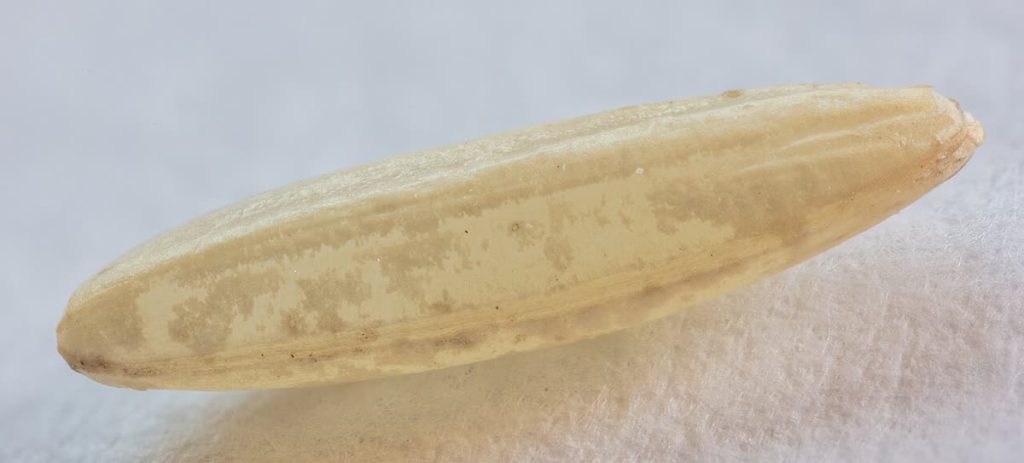
Basmati has long, slender grains with a high proportion of amylose, a starch that stays firm and separate during cooking. That is what gives properly cooked basmati its dry, fluffy texture. Short-grain and sushi rices have more sticky starch and are often cooked with different ratios. Rinsing basmati removes surface starch, which helps the grains stay apart, and the rinsed rice then needs a slightly lower water ratio than unrinsed rice. For background, see the Wikipedia article on basmati.
Ratios at a glance
| Method | Rice : water (by volume) | Typical time | Notes |
|---|---|---|---|
| Stovetop, rinsed, not soaked | 1 : 1.5 | 12 to 15 min covered, plus rest | Low heat after boiling |
| Stovetop, soaked 20 to 30 min | 1 : 1.25 | 10 to 12 min covered, plus rest | Drain well first |
| Rice cooker | 1 : 1.25 to 1.5 | As the machine sets | Follow the appliance’s markings |
| Microwave | 1 : 1.75 to 2 | 10 to 15 min in total, plus rest | Use a large covered bowl |
| Oven | 1 : 1.5 to 1.75 | About 20 to 25 min at moderate heat | Use boiling water and tight foil |
Treat these as starting points. Packet instructions for your particular brand are worth checking, since rice that has been aged longer, or milled differently, can absorb water differently.
Stovetop method step by step
- Measure the rice using a cup, and use the same cup for the water so the ratio is consistent.
- Rinse in a bowl or sieve under cold water, swishing with your fingers, until the water runs mostly clear. This usually takes two or three changes.
- Soak (optional) for 20 to 30 minutes, then drain well. Soaking helps the grains cook evenly and lengthen.
- Combine the rice and water in a saucepan with a tight-fitting lid. Add a pinch of salt and, if you like, a small knob of butter or a teaspoon of oil.
- Bring to a boil uncovered, then reduce the heat to the lowest setting and cover tightly.
- Cook without lifting the lid, for about 12 to 15 minutes for unsoaked rice or 10 to 12 for soaked.
- Rest off the heat, still covered, for 5 to 10 minutes. This lets steam spread through the grains.
- Fluff gently with a fork and serve.
Rice cooker, microwave and oven
Rice cooker
Most cookers have water lines inside the pot. For white rice, follow the line for the amount of rice you added, then reduce slightly for basmati if you like a firmer texture. Always use the cup supplied with the cooker if instructions refer to it, since cooker cups are often smaller than standard measuring cups.
Microwave
Use a large microwave-safe bowl, since the water bubbles up. Cover loosely, cook on high until the water boils, then on a lower setting until absorbed. Power levels differ greatly, so check your manual and adjust the time.
Oven
Combine rinsed rice with boiling water in an ovenproof dish, cover tightly with foil or a lid, and bake. This is handy when the hob is busy. For tips on using a moderate oven without drying food, our guide to reheating pie in the oven covers foil and temperature control.
Fixing common problems
- Rice is sticky or mushy: too much water, too little rinsing or stirring during cooking. Next time rinse longer, use slightly less water and avoid stirring.
- Rice is hard in the middle: not enough water or the lid let steam escape. Add a splash of hot water, cover and steam for a few more minutes.
- Rice burnt at the bottom: heat was too high or the pan too thin. Use the lowest flame and a heavy-based pot.
- Grains broken: rough stirring or soaking too long. Handle gently.
- Flat flavour: add salt to the water, a bay leaf, a few cardamom pods or a cinnamon stick for a subtle aroma.
Scaling for larger and smaller batches
The ratio stays the same, but large batches may need slightly less water per cup because less evaporates in a bigger pan with a tight lid. For two or more cups of rice, start at the lower end of the ratio and add water only if the result is too firm next time. Use a pan big enough for the rice to roughly triple in volume, and keep the lid on to trap steam.
Plan a meal that complements fluffy rice. Basmati pairs well with curries, lentils and vegetables; our piece on iron in bok choy offers ideas for a nutritious green side.
Storing and reheating
Cooked rice should be cooled quickly, ideally within an hour, and refrigerated in a covered container. The NHS advises eating refrigerated rice within a day and reheating it until it is piping hot all the way through, because bacteria that can survive cooking may multiply if rice is left warm for long. Do not reheat rice more than once. Check the NHS website for current food safety advice.
Frequently asked questions
Do I have to rinse basmati?
You do not have to, but rinsing removes surface starch and gives fluffier, more separate grains. If you skip it, add a touch more water.
Should I soak basmati rice?
Soaking for 20 to 30 minutes helps grains cook evenly and reduces water needed. It is optional rather than essential.
What ratio do I use for brown basmati?
Brown basmati usually needs more water and longer cooking, often around 1 : 2 to 2.25, and about 25 to 30 minutes. Follow the packet.
Why does my rice cooker give different results?
Cooker cups are smaller and the machines are calibrated differently. Use the cooker’s own markings and cup.
Can I use stock instead of water?
Yes, at the same ratio. Choose low-salt stock to avoid over-seasoning.
Conclusion
Start with the basmati rice to water ratio of 1 to 1.5, rinse well, cook covered on a low heat and let the rice rest before fluffing. Adjust by a splash either way based on your pan and brand, and you will get light, separate grains every time.
Key takeaways about basmati rice to water ratio
Here is a short summary of basmati rice to water ratio so you can find the main points quickly.
- The basmati rice to water ratio that works for most cooks is about 1 part rinsed rice to 1.5 parts water by volume, so 1 cup of rice takes 1½ cups of water.
- Basmati has long, slender grains with a high proportion of amylose, a starch that stays firm and separate during cooking.
- Most cookers have water lines inside the pot.
- Use a large microwave-safe bowl, since the water bubbles up.
Good decisions about basmati rice to water ratio come from checking the facts, comparing your options and taking your time.
Save this guide to basmati rice to water ratio so you can find it again whenever you need a quick reminder.
If you only remember one thing about basmati rice to water ratio, make it the practical steps covered in this guide.
Check official sources before acting on anything related to basmati rice to water ratio, because details can change over time.
Questions about basmati rice to water ratio are common, so it helps to compare more than one trustworthy source.
Related reading:
- Bolognese Meaning: What the Word Really Refers To
- El Paso Police Department Mugshots: How to Find Records
For general background, you can look up basmati rice to water ratio on Wikipedia.