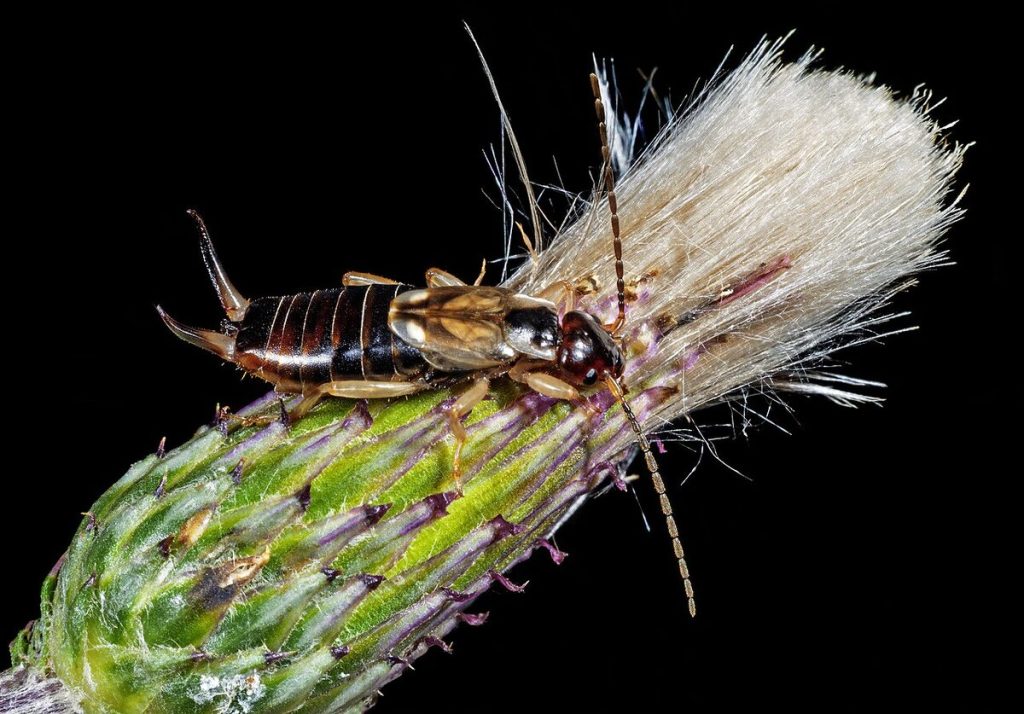
Why are earwigs so bad this year? Usually because damp, mild weather and plenty of sheltered hiding places help them survive and breed, so their numbers can jump from one year to the next. They are mostly harmless to people, but they can nibble soft plants and look alarming when they gather around your home. This guide explains the likely causes, whether they are dangerous and how to reduce them safely.
Key takeaways
- Earwig numbers rise with damp conditions, mild weather, shelter and food, and vary by area and year.
- They do not crawl into ears to lay eggs; that is a myth, and they are not a danger to health.
- Removing damp hiding places and using simple traps is more effective than spraying.
- Earwigs also eat aphids, so complete removal is not always desirable.
Why are earwigs so bad this year?
There is rarely one single cause. Earwigs are nocturnal insects that hide by day in dark, moist spots, and the following factors tend to push numbers up:
- Moisture: wet spells, heavy watering and poor drainage create ideal conditions.
- Mild weather: gentle winters and warm springs may allow more females and young to survive.
- Shelter: leaf piles, mulch, firewood, pots, plant debris and gaps in walls offer daytime hiding spots.
- Food: they eat decaying plant matter, small insects, aphids and soft plant parts, so most gardens provide plenty.
- Less disturbance: undisturbed corners, such as a stack of timber, let colonies build up unnoticed.
Local numbers depend on your area, soil and habits. We cannot say how common earwigs are in any given year without local data, so look at your own garden for the factors above.
Understanding the earwig life cycle
Knowing the life cycle helps you time your efforts. The common European earwig, Forficula auricularia, has a fairly simple year, and you can read more in the Earwig article on Wikipedia.
| Season | What happens |
|---|---|
| Autumn and winter | Adults shelter in soil burrows; the female lays eggs and guards them |
| Spring | Eggs hatch into small wingless nymphs that leave the nest |
| Early summer | Nymphs grow, moulting several times, and feed on plants and small insects |
| Late summer | Adults mature and are most noticeable around gardens and homes |
This is why you often notice them most in mid to late summer, when populations are at their peak.
Are earwigs dangerous?
No. Despite the myth, earwigs do not crawl into ears to lay eggs. The pincers (cerci) at the rear are used for defence, hunting and mating, and they can give a mild pinch if handled, though it rarely breaks the skin. They do not spread disease the way flies or cockroaches may, and they do not sting or bite in a harmful way.
The main downside is garden damage. They can chew ragged holes in petals, young leaves and soft fruit, and favourites often include dahlias, chrysanthemums, clematis and lettuce. At the same time, they eat aphids and other small pests, so a few earwigs can even be helpful.
How to reduce earwigs: step by step
- Clear hiding places: remove leaf litter, boards, bricks and stacked debris near walls and doors.
- Thin the mulch: keep mulch shallow and away from house walls and foundations.
- Fix damp: mend leaking taps, blocked gutters and poor drainage, and water in the morning instead of the evening.
- Trim plants: cut back dense growth touching the house and keep climbers off walls where practical.
- Seal entry points: fill gaps around door frames, windows and pipes, and check door seals.
- Set traps: use the simple methods below for a week or two and check them daily.
Simple home-made traps
- Roll up damp newspaper and place it near affected plants in the evening; shake the contents into a bucket of soapy water in the morning.
- Fill a small flowerpot with straw or crumpled paper, place it upside down on a cane, and empty it each day.
- Place a shallow dish with a little oil and soy sauce in the garden; earwigs are drawn in and drown. Keep pets away from it.
Protecting your plants
If you want to protect a prized plant, tie a sticky barrier or smear a band of petroleum jelly around the stem or cane to stop climbing earwigs. Inspect plants after dark with a torch, when earwigs are active, and remove them by hand into soapy water. Keep vulnerable plants a little away from fences and walls, where earwigs travel. The Royal Horticultural Society has trusted advice on garden pests on the RHS website, including how to identify damage and manage insects without harming wildlife.
When you are working out what is harming your plants, keep in mind that other things can cause damage as well. Our guide to diagnosing yellowing leaves shows how to separate pests from watering and nutrient issues.
Keeping earwigs out of the house
- Switch off unnecessary outdoor lights near doors, as light attracts many insects.
- Keep bins, compost and firewood away from the house.
- Check pot plants and cut flowers brought indoors.
- Vacuum or sweep up any that get inside; do not crush them if you dislike the smell.
- Use a dehumidifier or ventilation in damp rooms such as bathrooms and utility rooms.
Chemical sprays are rarely necessary and can harm bees, ladybirds and other helpful insects. If you do use any product, read the label carefully and keep it away from children and pets. A professional pest controller can advise if there is a serious infestation indoors.
Frequently asked questions
Do earwigs really go into ears?
No. This is an old myth. Earwigs seek dark, tight crevices, but there is no evidence that they target human ears or lay eggs there.
Are earwigs bad for my garden?
They can damage soft flowers, leaves and fruit, but they also eat aphids and decaying matter. Light numbers are usually tolerable, while heavy infestations may need action.
Why do I see so many earwigs at night?
They are nocturnal. They hide by day and come out in the evening to feed, so a torch inspection after dark often reveals many more than you see in the daytime.
Do earwigs bite?
They can pinch with their pincers if handled, but it is usually mild and rarely breaks the skin. They are not venomous.
Will they go away on their own?
Numbers usually fall in colder, drier conditions or when hiding places are removed. Reducing damp and shelter helps speed the process.
Conclusion
If you are wondering why earwigs are so bad this year, look first at moisture, mild weather and the number of sheltered places around your home and garden. They are harmless to people and even helpful in small numbers, but you can reduce them by tidying debris, fixing damp and using simple traps. Be patient, work step by step and avoid broad chemical sprays that harm useful wildlife.
Key takeaways about why are earwigs so bad this year
Here is a short summary of why are earwigs so bad this year so you can find the main points quickly.
- Local numbers depend on your area, soil and habits.
- Knowing the life cycle helps you time your efforts.
- This is why you often notice them most in mid to late summer, when populations are at their peak.
- If you want to protect a prized plant, tie a sticky barrier or smear a band of petroleum jelly around the stem or cane to stop climbing earwigs.
Questions about why are earwigs so bad this year are common, so it helps to compare more than one trustworthy source.
Use this page as a starting point for why are earwigs so bad this year and come back to it when your situation changes.
Good decisions about why are earwigs so bad this year come from checking the facts, comparing your options and taking your time.
Save this guide to why are earwigs so bad this year so you can find it again whenever you need a quick reminder.
If you only remember one thing about why are earwigs so bad this year, make it the practical steps covered in this guide.
Check official sources before acting on anything related to why are earwigs so bad this year, because details can change over time.
Related reading:
For general background, you can look up why are earwigs so bad this year on Wikipedia.