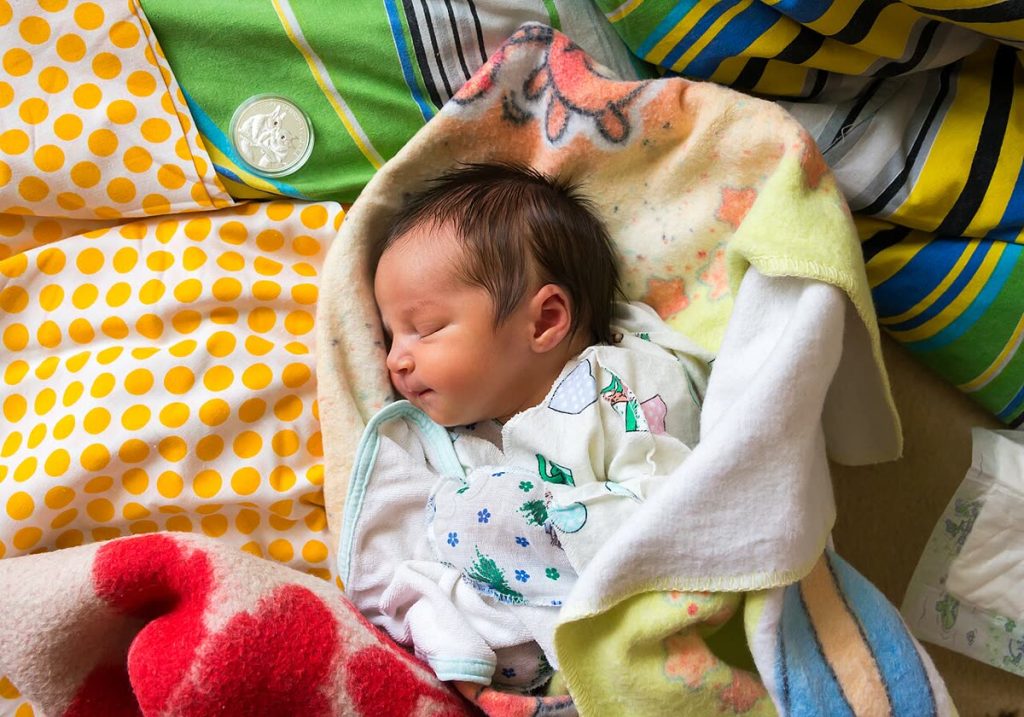
Parents often wonder whether hazel eyes at birth are possible. In most cases, a newborn’s eyes are not truly hazel yet. Many babies are born with slate, blue or grey-brown eyes, and the final colour develops over the first months and sometimes years as pigment builds up. Here is what to expect, why it changes and when to mention an eye concern to a doctor.
Key takeaways
- True hazel eyes at birth are uncommon; most newborn eyes look blue, grey or dark and then shift.
- Eye colour depends on the amount and spread of melanin in the iris.
- Colour often settles between about 6 and 12 months but can keep changing for longer.
- Unusual signs such as cloudiness, a white pupil or differing colours need medical advice.
Can a baby have hazel eyes at birth?
Some babies do arrive with eyes that look light brown or green-brown, particularly babies of families with darker pigmentation. More commonly, hazel eyes at birth is a description of eyes that look unsettled, with a mix of grey, green and brown flecks. These are often still developing.
The reason is melanin. Melanin is the pigment that gives the iris its colour. Before birth, and in the first weeks of life, many babies have little melanin in the front layer of the iris. Light scatters through it, which makes the eyes look blue or grey. As more melanin is produced, the colour deepens.
How eye colour is decided
Eye colour is controlled by several genes, not just one. That is why simple charts, such as brown beats blue, only give rough odds. Two brown-eyed parents can have a lighter-eyed child, and the other way round.
- More melanin in the front of the iris gives brown eyes.
- Less melanin gives blue or grey eyes, because light scatters.
- Hazel and green sit in between and often look different in different light.
- Several genes interact, so outcomes vary even within a family.
Hazel in particular is tricky because it contains a mix of brown and golden tones with green or grey. It can look brown in one lighting and green in another. For general background, see the eye colour article on Wikipedia.
What the first months usually look like
There is no exact timetable, but the usual pattern is a gradual shift. The table below shows a general guide only.
| Age | What you may notice |
|---|---|
| Newborn | Slate-blue, grey or dark eyes; sometimes light brown in babies with more pigment |
| 1 to 3 months | Slow changes in tone; flecks may appear around the pupil |
| 3 to 6 months | Eyes may darken or turn green or hazel |
| 6 to 12 months | Colour often becomes clearer |
| 1 to 3 years | Further subtle changes can still happen |
Some children keep a lighter colour, and in a few cases the shade is not final until later childhood.
Signs your baby may end up with hazel eyes
You cannot predict the final colour exactly, but you can spot clues.
- Golden or brown flecks appear near the pupil.
- The outer rim of the iris looks greener or greyer than the centre.
- One or both parents have hazel, green or light brown eyes.
- The colour seems to shift with the light, looking green outdoors and brown indoors.
Take photos in natural daylight every few weeks. Looking back at them is a simple way to see change that is too slow to notice day to day.
When eye colour changes are a reason to call a doctor
Colour change is normal. Other changes are not. Speak to your health visitor, GP or paediatrician if you notice any of the following.
- A white or cloudy pupil, or a pupil that looks white in photographs
- Eyes that are very watery, red or crusted
- Each eye is a clearly different colour from the very beginning, or one iris looks to be missing a piece
- Eyes that seem to jiggle, drift or fail to follow light
- Sensitivity to light that seems severe
This is general information, not a diagnosis. In the UK, newborn and later health checks include a look at the eyes, and you can find more on the NHS website.
Common myths about baby eye colour
Several ideas are repeated so often that they feel like facts.
- All babies are born with blue eyes. Not all; babies with more pigment may have brown eyes from the start.
- The colour is decided at three months. It can take much longer.
- You can speed it up with light or diet. You cannot; it is genetic and developmental.
- Parents’ colours give a certain answer. They only give probabilities.
A relaxed approach for parents
Watching your baby grow is part of the fun, and eye colour is one of many changes. Enjoy it rather than hunting for answers in the first weeks. Your newborn will also be gaining teeth, skills and a personality, and our guide to how many baby teeth a child has covers another milestone worth knowing.
If you are navigating feeding or food choices at this stage, you might also like our article on cranberry juice in pregnancy and our guide to wart healing stages for other common family health questions.
Frequently asked questions
Are babies ever born with hazel eyes?
It happens, mainly in babies with more pigment, but most newborns have grey, blue or dark eyes that change later.
When will my baby’s eye colour be final?
Often around 6 to 12 months, although small changes can continue for a few years.
Can two brown-eyed parents have a hazel-eyed child?
Yes. Eye colour involves several genes, so many combinations are possible.
Do hazel eyes change with the light?
They can look brown, green or gold depending on lighting and surrounding colours.
Should I worry if my newborn’s eyes look cloudy?
Yes, mention it to your doctor or health visitor. Cloudiness is different from normal colour change and should be checked.
Conclusion
Seeing hazel eyes at birth is possible but not typical, and the colour you see in the first weeks is rarely the final one. Give it time, take photos in daylight, and call a professional if something other than colour seems wrong. Most of the time, the change is a gentle and healthy part of your baby’s development.
Key takeaways about hazel eyes at birth
Here is a short summary of hazel eyes at birth so you can find the main points quickly.
- Parents often wonder whether hazel eyes at birth are possible.
- Some babies do arrive with eyes that look light brown or green-brown, particularly babies of families with darker pigmentation.
- Eye colour is controlled by several genes, not just one.
- Hazel in particular is tricky because it contains a mix of brown and golden tones with green or grey.
Good decisions about hazel eyes at birth come from checking the facts, comparing your options and taking your time.
Related reading:
- How to Turn On Cookies for a Website in Any Browser
- How Long to Toast Pine Nuts in Oven (and Other Methods)
For general background, you can look up hazel eyes at birth on Wikipedia.