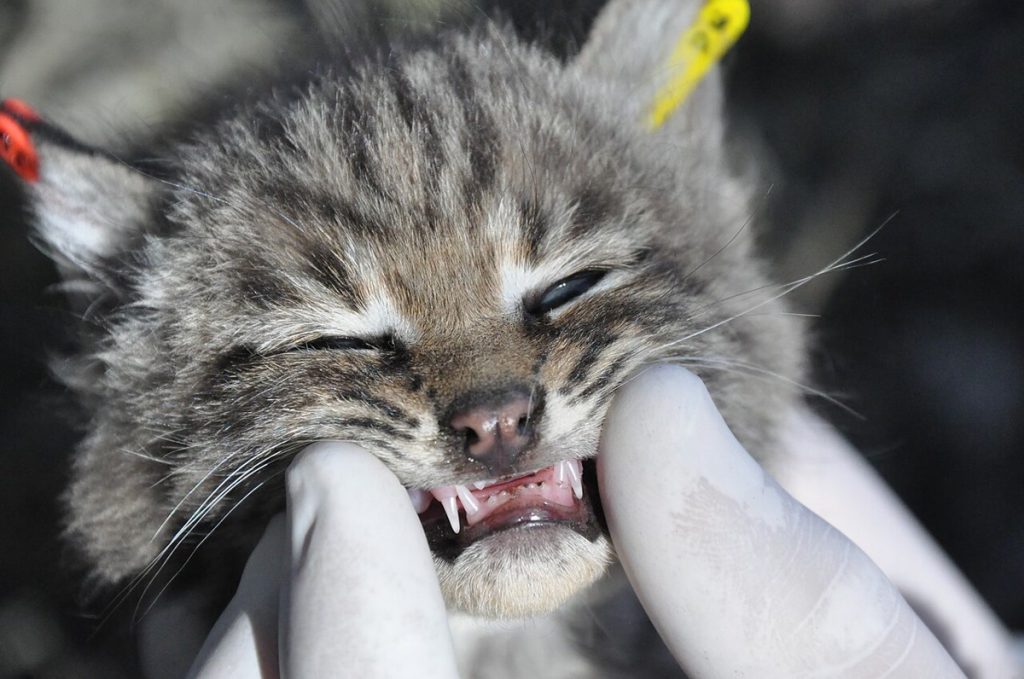
A child normally ends up with 20 teeth in total, and that answers the question of how many baby teeth does a kid have. These 20 primary teeth, ten on the top and ten on the bottom, usually finish coming through by around age two and a half to three, then gradually fall out and are replaced by permanent teeth from about age six.
Key takeaways
- Children have 20 baby (primary) teeth: 10 upper and 10 lower.
- The first tooth often appears around six months, though healthy babies vary widely.
- Most children have a full set by about age three.
- Permanent teeth start replacing baby teeth at around six years old; adults have up to 32.
- Speak to a dentist or health visitor if you are worried about timing.
How many baby teeth does a kid have by type?
The 20 primary teeth are made up of four types. Each half of each jaw is a mirror of the other, so it is easy to count once you know the pattern.
| Tooth type | Number | Job |
|---|---|---|
| Incisors (front teeth) | 8 | Biting into food |
| Canines (pointed) | 4 | Tearing food |
| Molars (back teeth) | 8 | Grinding and chewing |
Notice that children do not have premolars. Those only arrive later, when the first two baby molars on each side are replaced by premolars as part of the permanent set.
A typical teething timeline
Every child is different, and a few months either side of these ranges is normal. Some babies are born with a tooth, and others have none by their first birthday. Treat the list as a rough guide, not a deadline.
- About 6 to 10 months: The lower central incisors usually appear first.
- About 8 to 12 months: The upper central and lateral incisors follow.
- About 12 to 18 months: The first molars come through.
- About 16 to 22 months: The canines appear.
- About 2 to 3 years: The second molars arrive, completing the set of 20.
The UK’s NHS has parent-friendly pages on teething and dental care at nhs.uk, and in the United States the American Dental Association and pediatric dentists offer similar advice. They are good places to confirm local guidance.
When do baby teeth fall out?
Around age six, most children start losing their lower front teeth, followed by the upper front teeth. The process continues until about age 12 or 13, when the last baby molars and canines are replaced. By the early teens, most young people have 28 permanent teeth, and wisdom teeth can bring the total up to 32 in adulthood, although not everyone develops all four.
What a normal loss pattern looks like
- Front incisors go first, around ages 6 to 8.
- Side incisors follow, around 7 to 9.
- Canines and first molars loosen around 9 to 12.
- Second molars are usually the last, around 10 to 13.
Why baby teeth matter
It is tempting to think baby teeth do not matter because they fall out anyway. In practice they do real work. They help children chew and speak clearly, and they hold the space that permanent teeth will later move into. Decay in a baby tooth can cause pain, infection and trouble eating, and losing a tooth too early because of decay can let neighboring teeth drift, which may crowd the adult teeth.
Looking after your child’s teeth
Starting from the first tooth
Begin brushing as soon as the first tooth appears, using a small, soft brush and a smear of fluoride toothpaste. Check the right strength for your child’s age with a dentist or the toothpaste packaging, and supervise brushing until your child is old enough to do a thorough job, which is often around age seven or eight.
Simple daily habits
- Brush twice a day, including before bed, which is the most important time.
- Keep sugary snacks and drinks to mealtimes where you can.
- Offer water between meals rather than juice or squash.
- Avoid putting a baby to bed with a bottle of anything other than water.
- Book regular dental visits from an early age so your child gets used to the dentist.
Soothing teething pain
Teething can make babies drooly, fussy and keen to chew. A cool (not frozen) teething ring, a clean finger rubbed gently on the gums or a chilled, clean washcloth can help. Avoid amber necklaces and numbing gels unless a pharmacist or doctor has recommended a specific product, because safety concerns apply to some of them. If your child has a high fever, diarrhea or seems very unwell, do not assume it is just teething; speak to a doctor.
When to ask a professional
Most variation is harmless, but see a dentist or pediatrician if:
- There are no teeth by around 18 months.
- Baby teeth show brown or white spots, holes or dark patches.
- A child has swollen gums or a persistent bad taste or smell in the mouth.
- A tooth is knocked out in an accident, in which case seek urgent advice.
If you are curious about other everyday body questions, our explainer on the bones of the elbow is a good next read, and you may also like our note on how a baby’s eye color changes in the first year.
Common worries parents mention
Parents often ask how many baby teeth does a kid have when they notice a gap, a late arrival or an odd order of eruption. A few teeth coming in out of sequence is usually fine. Gaps between baby teeth are actually helpful, because permanent teeth are larger and need room. A late first tooth, even at a year or more, often runs in families. Thumb sucking or a pacifier can affect how teeth line up if the habit continues past the toddler years, so ask your dentist for friendly ways to wean it. If a baby tooth is knocked loose by a fall, see a dental professional promptly, and do not try to push it back in yourself.
Frequently asked questions
How many baby teeth does a child have in total?
Twenty: ten in the upper jaw and ten in the lower jaw.
At what age does a baby get their first tooth?
Often around six months, though anywhere from birth to about a year or a little later can still be normal.
When do all 20 baby teeth appear?
Most children have the full set by around age two and a half to three.
When do kids start losing baby teeth?
Usually from about age six, beginning with the lower front teeth.
How many teeth do adults have?
Adults have up to 32 permanent teeth, including four wisdom teeth, though many people have fewer or have wisdom teeth removed.
Conclusion
So, how many baby teeth does a kid have? Twenty, arriving over roughly the first three years and leaving between about ages six and thirteen. Brush from the first tooth, limit sugar, and check in with a dentist if anything seems off. A little routine early on makes dental care much easier later.
Key takeaways about how many baby teeth does a kid have
Here is a short summary of how many baby teeth does a kid have so you can find the main points quickly.
- A child normally ends up with 20 teeth in total, and that answers the question of how many baby teeth does a kid have.
- The 20 primary teeth are made up of four types.
- Every child is different, and a few months either side of these ranges is normal.
- The UK's NHS has parent-friendly pages on teething and dental care at nhs.uk, and in the United States the American Dental Association and pediatric dentists offer similar advice.
Use this page as a starting point for how many baby teeth does a kid have and come back to it when your situation changes.
Good decisions about how many baby teeth does a kid have come from checking the facts, comparing your options and taking your time.
Save this guide to how many baby teeth does a kid have so you can find it again whenever you need a quick reminder.
Related reading:
- How to Dry Cayenne Peppers in the Oven, Step by Step
- Phone Won’t Charge After Water: What to Do and What to Avoid
For general background, you can look up how many baby teeth does a kid have on Wikipedia.